Author: admin

Domestic Extractor Fan Testing

Domestic Extractor Fan Testing

Domestic Extractor Fan Testing & APT

As part of the evolving UK Building Regulations, Part F (Ventilation) now mandates that all intermittent extractor fans — such as those installed in kitchens and bathrooms — must have their airflow rates tested on-site. These results must be submitted to the local Building Control Body (BCB) before the property can be signed off and handed over.

At APT Sound Testing, we specialise in helping developers, contractors, and homeowners ensure full compliance with these updated regulations. With our UKAS accreditation and expert team of consultants, we offer efficient, cost-effective extractor fan testing, often conducted at the same time as your air and acoustic testing, to save time and reduce project coordination challenges.

Why Extractor Fan Testing Is Now Essential

As energy efficiency standards tighten, new buildings are becoming increasingly airtight and insulated. While this is great for reducing heat loss, it also places more demand on mechanical ventilation systems to ensure good indoor air quality. Poor ventilation can lead to moisture buildup, damp, mould growth, and even health issues for occupants.

To address this, Approved Document F outlines strict requirements for Mechanical Ventilation and Heat Recovery (MVHR) systems, as well as intermittent extractor fans. These systems must be tested, commissioned, and certified before a building can be signed off.

This makes extractor fan testing not only a compliance requirement—but a crucial part of ensuring occupant comfort and well-being.


Types of Ventilation Systems Under Part F

Approved Document F defines four types of ventilation systems, known as Systems 1 to 4. Here’s a quick breakdown:

System 1: Background Ventilators + Intermittent Extract Fans

This is the most commonly used approach. Moisture and odours are extracted via fans in wet areas (e.g. kitchens, bathrooms), while fresh air is introduced through trickle vents or background ventilators in windows or walls.

System 2: Passive Stack Ventilation (PSV)

This uses natural airflow driven by wind and temperature differences. It includes roof-level outlets and background ventilators—ideal for energy-conscious homes but harder to control.

System 3: Continuous Mechanical Extract Ventilation (MEV)

MEV systems continuously remove air from wet rooms using mechanical fans, usually ducted to one central point. Fresh air enters via trickle vents.

System 4: Mechanical Ventilation with Heat Recovery (MVHR)

MVHR systems provide both supply and extract ventilation through ducts, while also recovering heat from the outgoing air. This is the most energy-efficient system but requires careful design and installation.

Not sure which system is right for your property? Contact our experienced team to talk through your project needs and compliance strategy.


Required Extract Rates for Domestic Fans

Approved Document F outlines the minimum airflow rates that each extractor fan must achieve, regardless of property size or type:

  • Kitchens (cooker hood or similar): 30 litres per second (l/s)
  • Bathrooms (intermittent fans): 15 l/s
  • WCs (sanitary accommodation): 6 l/s

These rates must be verified on-site using calibrated equipment. Failure to meet the required airflow levels can delay handover and lead to additional remedial costs.


When and How We Test

In most cases, our team can carry out Ventilation Flow Rate Testing during the same visit as your Air Tightness Test. This means you can achieve Part L and Part F compliance simultaneously, saving valuable time and project costs.

Our engineers are trained to work efficiently and respectfully on active construction sites, ensuring minimal disruption and rapid turnaround of test results.


Pre-Test Checklist: Preparing for Extractor Fan Testing

To ensure a smooth testing process, the following elements should be complete before we arrive on site:

  1. Electrical supply connected to all extractor fans.
  2. Fans must be fully installed and operational.
  3. Surrounding finishes (e.g., plasterboard/masonry) must be sealed properly to ensure airtightness.
  4. All windows and external doors must be installed.
  5. Trickle vents fitted to all applicable windows.
  6. Safe access must be available to all test points (both internal and external).
  7. SAP calculation worksheets must be provided for each unit.
  8. All internal doors installed.
  9. Ventilation specifications for each fan type must be supplied.
  10. Floor plans and sections must be submitted at least 3 working days in advance.
  11. Occupancy schedule indicating the number of residents per unit.
  12. Parking space provided within 50m of the building.
  13. The building envelope must be complete—doors, windows, cladding installed.
  14. Interior finishes complete, including switches, sockets, flooring, and ceiling surfaces.

Need help reviewing your site readiness? We’re here to guide you through the process.


Why Choose APT Sound Testing?

APT Sound Testing are a UKAS-accredited laboratory, meaning our testing and reporting meet the highest standards of accuracy and reliability under ISO certification. With years of experience in acoustic design and building compliance, we’ve worked on thousands of projects, from single dwellings to large residential developments.

Our clients return to us time and again because we offer:

  • Fast, efficient service
  • Expert consultancy
  • Combined testing packages (air, sound, vent)
  • Reliable certification for building control
  • Friendly, knowledgeable support

We understand that compliance isn’t just about ticking boxes, it’s about delivering healthier, more comfortable homes. That’s why we take the time to understand your project’s unique needs and offer tailored solutions every time.


Get in Touch Today

Our team is ready to help you meet your Extractor Fan Testing and ventilation compliance obligations with ease and confidence. Whether you’re planning a new build or preparing for completion, we’ll ensure your extractor fan systems are correctly tested, certified, and fully compliant with Approved Document F.

Call us today on 01525 303905 or use our contact form on our website to speak with one of our expert consultants about your project. We’re here to help you every step of the way.

Acoustic Consultancy & Testing

Acoustic Consultancy & Testing

Acoustic Consultancy & APT Sound Testing

When it comes to construction, few things impact long-term satisfaction quite like sound. Whether it’s noisy neighbours in an apartment block, echoes in a commercial space, or inadequate insulation in a converted building, poor acoustics can create lasting problems. What’s more, meeting sound insulation standards isn’t just about comfort, it’s a legal requirement under Building Regulations Part E in the UK.

At APT Sound Testing, we understand that navigating these regulations can be challenging. That’s why we offer a full turnkey acoustic consultancy and sound testing service, guiding clients from early design stages right through to final pre-completion testing and certification. With years of experience and UKAS accreditation, we deliver expertise you can trust.

In this guide, we’ll walk you through how our process works, why acoustic design matters, and how we can help ensure your project achieves compliance, efficiency, and peace of mind.


Why Is Acoustic Consultancy So Important?

In the UK, Approved Document E outlines the minimum performance standards for sound insulation between dwellings. It applies to new builds, conversions, and material change-of-use developments. Non-compliance can lead to delays, expensive remedial work, and in some cases, refusal of building control sign-off.

But good acoustic design isn’t only about meeting a checklist — it enhances quality of life, protects your investment, and demonstrates a commitment to high building standards. Unfortunately, many projects leave acoustic considerations too late in the process, only to discover performance issues during final testing.

That’s where APT Sound Testing steps in. Our consultancy ensures your project is designed and built with acoustic performance in mind, significantly reducing the risk of sound test failure and costly rework.


Our 4-Step Acoustic Design and Testing Process

We’ve developed a clear, practical process that takes the stress out of acoustic compliance. Whether you’re a developer, architect, or contractor, we support your project every step of the way.

1. Site Survey Visit

Our process begins with an on-site assessment of the existing construction. This visit allows us to evaluate the current materials and identify potential weaknesses in the structure. For example, the use of lightweight blocks or poor sealing can result in inadequate sound insulation.

During this visit, we also assess the quality of any ongoing installation. Are acoustic materials being fitted correctly? Are workmanship standards being followed? Catching issues early can prevent expensive problems later in the build.

2. Sample Sound Insulation Testing

Before we propose any acoustic design changes, we carry out sample sound testing on the existing walls and floors. These tests provide an accurate picture of the current sound insulation levels and allow us to tailor a solution that addresses specific weaknesses.

Rather than relying on assumptions, we base our recommendations on real-world data. This approach ensures your design is targeted, cost-effective, and compliant.

3. Acoustic Design Review

Once testing is complete, we conduct a full design review of your proposed party walls and floors. This includes detailed analysis of the three key acoustic design principles:

  • Mass – Heavier materials tend to block sound more effectively.
  • Isolation – Structurally separating elements can reduce vibration transfer.
  • Absorption – Soft, porous materials absorb sound within a space.

Using data from thousands of tests across a wide range of projects, we help you choose the best construction method to meet or exceed Part E requirements. We also work closely with your team to ensure the design is practical to implement and cost-efficient.

4. Pre-Completion Sound Testing

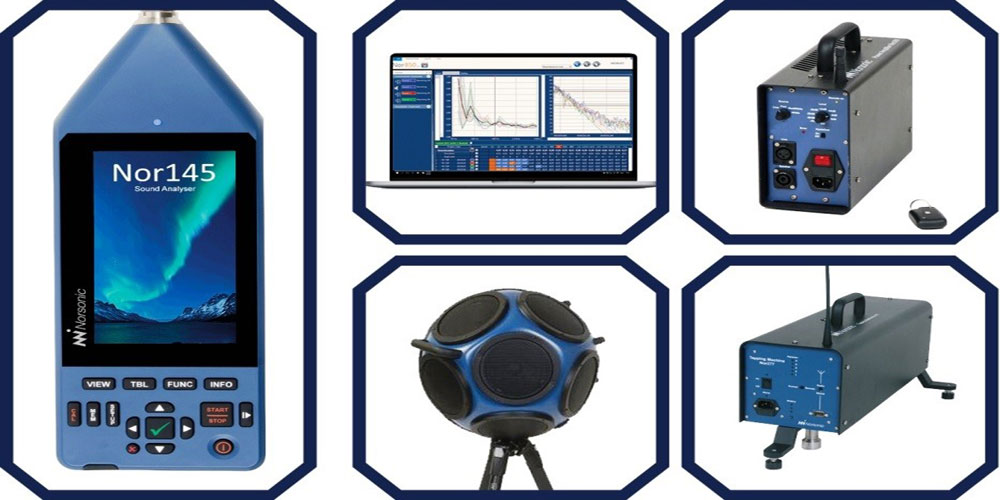
The final step in the process is the pre-completion sound test. This test is required by Building Control to confirm that your development meets Approved Document E standards. We use state-of-the-art Norsonic equipment and carry out all testing under UKAS accreditation, meaning our results are guaranteed to be accepted by authorities.

Once the test is complete, we provide a detailed report and, if the build passes, certification for sign-off.

If you’ve received a request from your local authority for sound insulation testing, get in touch with us directly at 01525 303905 or visit our website to book your site visit.


Supporting Every Stage of the Build

Our services don’t stop at testing. At APT Sound Testing, we work alongside developers from early design right through to completion. Whether you’re building a handful of houses or managing a large-scale apartment block, we’ve got the experience and expertise to guide you.

We’ve worked on hundreds of projects across the UK, including:

  • New build homes
  • Residential conversions
  • Hotels and student accommodations
  • Large apartment developments
  • Mixed-use commercial spaces

Each project is different, and we tailor our approach accordingly. Need on-site advice during construction? We can visit your site to ensure materials are installed correctly. Have a design challenge? We’ll work with your architects to find smart, cost-effective solutions.


Why Choose APT Sound Testing?

There are plenty of consultants out there—but here’s why our clients choose us:

  • UKAS-Accredited: Our sound testing laboratory is fully accredited, ensuring all results are reliable and legally recognised.
  • End-to-End Support: From design advice to final testing, we offer a complete solution under one roof.
  • Highly Experienced: We’ve carried out thousands of tests and reviewed hundreds of acoustic designs. We know what works.
  • Cost-Effective Solutions: We help you achieve compliance without overspending. No unnecessary upgrades—just effective, tailored advice.
  • Reliable Communication: Got questions? We’re just a phone call or email away, with clear, jargon-free answers and prompt support.

Avoiding Common Pitfalls in Acoustic Design

In our experience, the most common reasons for sound test failures include:

  • Use of lightweight blocks without adequate acoustic treatment
  • Poor workmanship around junctions, sockets, and service penetrations
  • Misunderstanding of material performance
  • Incorrect installation of acoustic insulation

These problems can almost always be avoided with early intervention and good planning. By involving us at the design stage, you’ll have the confidence that your construction is on the right track from day one.


Let’s Talk About Your Project

Whether you’re in the early stages of planning or nearing completion, we can help ensure your acoustic requirements are met. Our team is responsive, experienced, and ready to assist with any aspect of your project.

📞 Call us: 01525 303905
🌐 Visit: www.aptsoundtesting.co.uk

We’re happy to provide a free consultation to discuss your needs and suggest the best next steps.


Trusted Consultancy Service

Sound insulation is too important to leave to chance. By partnering with a trusted acoustic consultancy like APT Sound Testing, you can ensure your building meets regulatory requirements, avoids costly failures, and delivers the best possible experience for future occupants.

With our straightforward process, technical expertise, and proactive approach, we help you move from design to delivery with confidence.

Ready to talk? Get in touch today — and let’s build something better together.

# About the Author

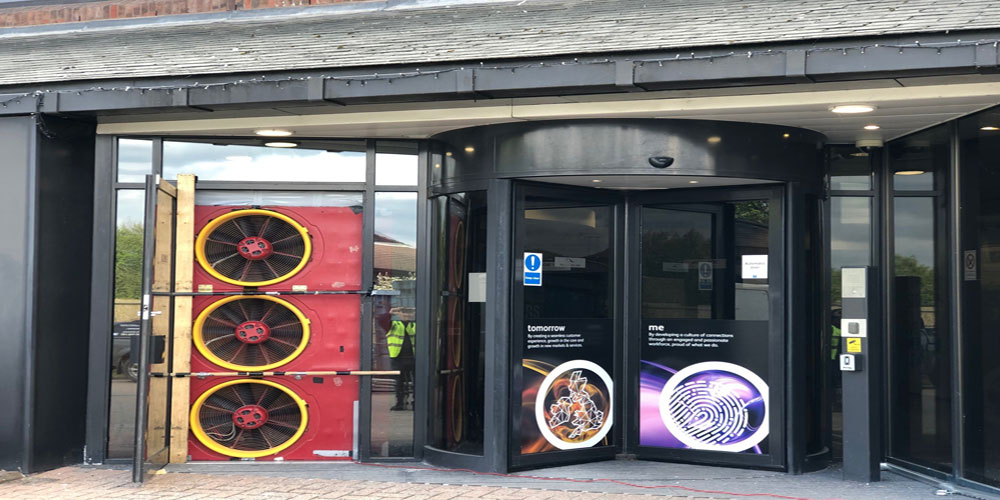
Darren Helliwell is a building performance specialist with over 25 years of hands-on experience leveraging thermal imaging, blower door testing, and smoke analysis to optimise air tightness in both new-build and refurbishment projects such as Battersea Power Station, Imperial War Museum and Harrods.

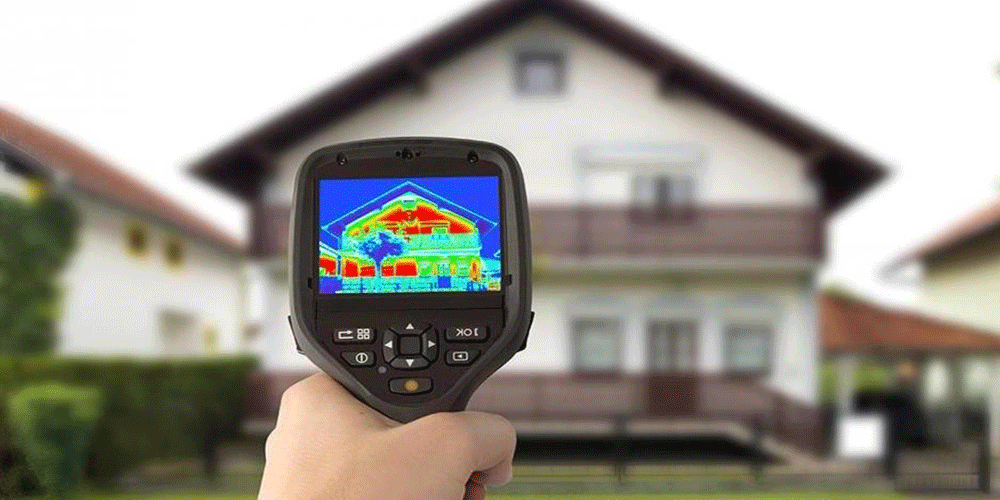
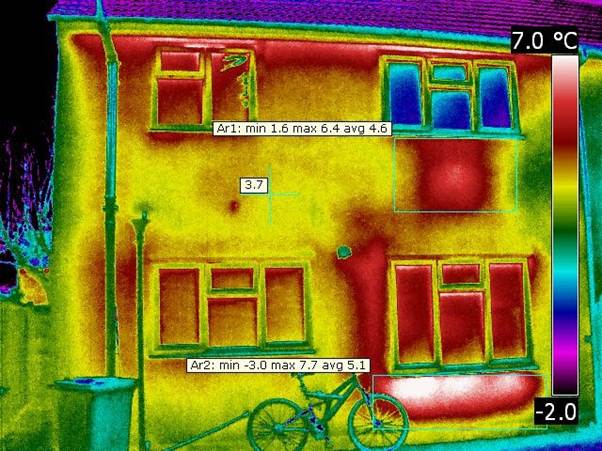
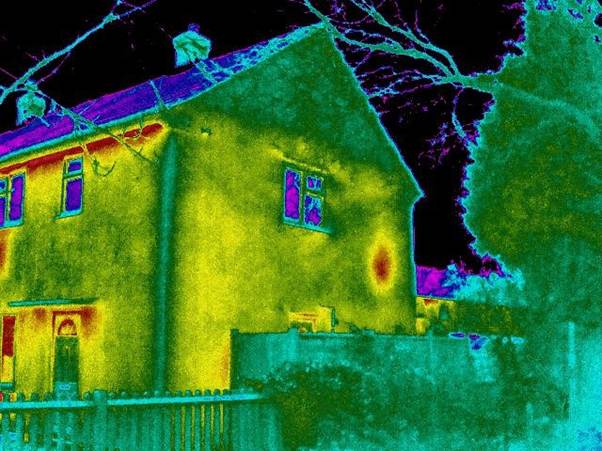
Using advanced infrared thermal imaging cameras alongside state-of-the-art blower door and smoke-testing equipment, Darren’s team delivers detailed thermographic surveys across residential and commercial buildings. These thermal imaging surveys pinpoint invisible air leaks, identify insulation defects, and reveal thermal bridging—empowering architects, contractors, and property owners to make targeted, energy-saving improvements.

Darren’s ongoing mission is to help design teams and contractors harness the power of thermal imaging to achieve truly airtight, energy-efficient building envelopes. By reducing heat loss and driving down energy bills, his thermography expertise supports sustainable, cost-effective construction and refurbishment outcomes.

Connect with Darren Helliwell: 

[Thermal Imaging Surveys] Thermal Imaging Surveys | APT Building Thermography Reports 

[APT Email] info@aptsoundtesting.co.uk  

[LinkedIn] https://www.linkedin.com/in/darren-helliwell-78789b26

Guide to Sound Testing in London

Guide to Sound Testing in London

Introduction to Sound Testing in London

When constructing or converting residential buildings in London, one crucial but often overlooked aspect is sound insulation. Ensuring your property meets the necessary acoustic standards isn’t just a courtesy to future occupants—it’s a legal requirement.

Under Building Regulations Approved Document Part E, developers are required to demonstrate that separating walls and floors between dwellings provide adequate resistance to the passage of sound. Whether you’re constructing a new apartment block, converting a house into flats, or repurposing a commercial space into residential use, sound testing plays a vital role in ensuring compliance and creating comfortable living environments.

So, what does sound testing involve, and what types should you expect during your project in London? Let’s dive into the details.


Why Is Sound Testing Important?

Sound testing is designed to assess the effectiveness of acoustic insulation between dwellings. The goal is to ensure a reasonable level of sound separation—so that people can enjoy peace and privacy in their own homes without being disturbed by their neighbours.

In London, with its dense housing stock and increasing number of mixed-use developments, proper sound insulation is more important than ever. This is especially critical in buildings where different households share walls or floors.

When Is Sound Testing Required?

If your project involves:

  • A new-build dwelling
  • A conversion into self-contained flats
  • A material change of use (e.g., turning an office into residential units)

…and the dwellings are attached via a shared wall or floor that is not used exclusively by the same occupants, then sound testing is mandatory before completion.

According to the regulations, at least 10% of each type of separating wall or floor construction must be tested.


The Two Main Types of Sound Testing

Sound testing typically falls into two categories: Airborne Sound Testing and Impact Sound Testing. Depending on your building’s layout and construction, both may be required.

1. Airborne Sound Testing

Airborne sound testing measures how well walls or floors prevent sound from traveling through the air—such as talking, TV noise, or music.

This test is commonly carried out between adjacent rooms in separate dwellings—like bedrooms or living rooms—both horizontally (side by side) and vertically (floor to ceiling).

How It Works:

A loudspeaker is placed in the “source” room and generates high sound levels. The sound levels are then measured in both the source and adjoining “receiver” room using a calibrated microphone. Background noise levels and the reverberation time (how long sound lingers) are also recorded to ensure accuracy.

What’s the Requirement?

  • New build: Minimum of 45 dB airborne sound insulation
  • Conversions: Minimum of 43 dB

The higher the decibel value, the better the sound insulation.

2. Impact Sound Testing

Impact sound testing is relevant for vertically-separated dwellings—for example, between an upstairs flat and a downstairs unit. This test assesses the level of noise generated by impacts (think footsteps, dropped items) on the floor.

How It Works:

A tapping machine is placed on the floor in the upper room. This device drops small hammers in a controlled sequence to simulate footfall. Sound levels are then measured in the room below. Like with airborne testing, reverberation and background levels are also taken into account.

What’s the Requirement?

  • New build: No more than 62 dB
  • Conversions: No more than 64 dB

In this case, the lower the decibel value, the better the insulation performance.


Sample Sound Testing During Conversions

If you’re converting an existing building—such as turning an old office into flats—it’s wise to carry out sample sound testing before you start construction.

Why? Because many older buildings weren’t designed with acoustic separation in mind. You might find:

  • Insufficient mass in the separating structure
  • Poor isolation between walls/floors
  • Unintended sound paths (known as flanking transmission)

Common Flanking Paths

One of the most frequent culprits is the inner leaf of an external cavity wall—particularly if it’s built using lightweight blocks like Thermalite. Sound can travel along these paths and reduce overall insulation performance, even if the separating wall or floor is well-built.

By doing a pre-construction sample test, you’ll get an accurate picture of the current sound insulation and can plan a targeted acoustic upgrade—potentially saving time and costly remedial works later on.


Sound Testing of External Facades

Another area of acoustic performance often overlooked is the external facade. This is particularly relevant for properties located in noisy areas—like those near busy roads, railways, or flight paths.

How It Works:

  • A loudspeaker is placed approximately 5 meters outside the building at a 45-degree angle.
  • Sound pressure levels are measured 2 meters in front of the facade and 1.5 meters above ground.
  • The results help evaluate how much environmental noise enters through the external envelope of the building.

This type of testing is essential for developers targeting high-performance builds or for residential units located in designated noise-sensitive zones.


Professional, Accredited Testing Services

Sound testing must be performed by qualified professionals using high-precision equipment. At APT Sound Testing, our engineers use Class 1 Norsonic instruments — the gold standard in acoustic testing.

We carry out testing to UKAS-accredited and ISO-compliant standards, ensuring results you (and your building inspector) can trust. Whether you need testing for a small conversion or a large residential scheme, our team has the experience to guide you through every step.


Get in Touch

If you’re working on a building project in London and need sound testing to comply with Part E of the Building Regulations, we’re here to help. From pre-construction advice to final handover testing, APT Sound Testing provides a complete acoustic consultancy service.

📞 Call us on 01525 303905
🌐 Visit: APT Sound Testing Services

Sound Testing in London

Sound Testing in London


Types of Sound Testing in London

Building Regulations Part E require that builders demonstrate the sound insulation performance of separating walls/floors in new-build dwellings and/or converted dwellings or rooms for residential purposes (as well as those newly formed by a material change of use). This applies when separate dwellings are attached via a common partition not exclusively used by the same occupants. The only way to satisfy the relevant compliance with building regulations is to undertake sound testing in London.

The regulations set minimum performance requirements for sound insulation between spaces, as to provide reasonable conditions for living. Performance can be demonstrated either by sound testing a sample of as-built constructions/properties.

Sound Testing in London

Sound Insulation Testing needs to be carried out between pairs of rooms separated by party walls or floors. In most cases the rooms to be sound tested will be the two main habitable rooms – living rooms and bedrooms. The sound testing procedure involves setting up a noise source in a room on one side of the party wall or floor and measuring the noise on both sides of the partition.

Sound Testing for Part E of Building Regulations has been a mandatory requirement since July 2003. All new build dwellings and conversions which were built after this date require 10% of each party wall/floor construction type to be tested.

There are two mains types of Sound Testing in London that need to be carried out prior to the building handover, they are:

Airborne Sound Testing
Airborne sound tests are usually required between horizontally and vertically separated pairs of rooms. The sound tests are undertaken by using a sound source, amplifier and loudspeaker to generate a high noise level in one room (the source room). Noise measurements are then taken in both the source and receiver rooms using a prescribed number of source and microphone positions. The background levels in the receiver room are measured and the reverberation time in the receiver room is also measured.

From the results, the airborne sound insulation (DnT,w + Ctr) is calculated and compared to the requirements of Approved Document E. For new build projects you are required to achieve 45dB for airborne sound testing through walls and floors and 62dB for Impact sound testing for floors. For refurbishment projects this changes to 43dB for airborne and 64dB for impact.

Impact Sound Testing
For vertically separated rooms, an Impact sound test may also be required. This sound test is undertaken using a “tapping machine”, (as above) which drops a series of weights onto the floor of the upper room. The noise level in the lower (receiver) room is measured for a prescribed number of source and microphone locations. The background levels in the receiver room are measured and the reverberation time in the receiver room is also measured. From the results, the impact sound insulation (L’nT,w) is calculated and compared to the requirements of Approved Document E.

Sample Sound Tests
If you are undertaking a conversion project, i.e. subdividing a commercial office building into flats, it is important to ascertain the performance of your existing floor and wall partition. In our experience there is often noise travels directly through the separating partition due to lack of mass or isolation; or, it may be coming along another indirect route – called a flanking path. One of the most common flanking paths is the inner leaf of an external cavity wall, especially if it’s been constructed out of a lightweight weight material such as thermalite blockwork.

To offer our clients peace of mind we can visit site before any construction works have taken place and undertake a series of sample sound tests to check the acoustic performance of the existing partitions. This allows our clients to undertake a targeted acoustic design, saving time and money.

Sound Testing of Building Facades
For the sound testing of external facades we place the loudspeaker outside  the  building  at a distance of 5m from the facade with  the  angle  of  sound incidence  equal  to  45° ± 5°  and  such  that  the  real  traffic  noise  impact  is simulated  the  best  possible  way.  The speaker and amplifier are used to generate a steady random noise signal via the loudspeaker source. The sound pressure levels are then measured at 2m in front of the facade plane and 1.5m above the ground.

Contact APT Sound Testing
All APT’s test engineers carry the latest Norsonic sound testing equipment, which are class one rating. All of our sound testing is completed to a strict quality controlled standard. We provide full ISO & UKAS complaint sound testing. If you would like more information in regards to sound testing in London, please contact us on 01525 303905 or visit our website APT Sound Testing Services website.

Improving Acoustics in Dwellings

Improving Acoustics in Dwellings

Improving Acoustics in Dwellings

When designing a new project containing multiple dwellings, why go further than just meeting the basic regulations. For instance, if you only manage to achieve the minimum requirements for compliance with Building Regulations Part E for sound testing, then the chance of noise complaints will usually be higher than if you better it by 5-7dB.  

The World Health Organisation defines noise as ‘unwanted sound’ and such noise in buildings can have significant effects on the people (residents) who occupy them. If a person is subjected to excess noise for long periods, it can result in physical discomfort or mental distress and in many cases noise complaints. The WHO estimates that around 50% of the population of the European Union live in areas are exposed to noise levels that do not ensure acoustic comfort to their inhabitants and more than 30% are exposed to noise levels at night which is at a level disturbing to sleep this is simply not good enough.

Within homes, a noisy neighbour can be one of the main problems experienced in attached housing. It’s estimated that up to 4 million people in Britain have had their lives disturbed by noisy neighbours.

The best way to combat excess noise is to ensure that proper precautions are taken at the design stage of the project and thereafter during construction of the building. Noise transmission levels should be compatible with the building’s usage with the correct acoustic climate provided in each space.

The UK has the building regulations and a number of sector specific guidance documents covering noise, these are:

  • Approved Document E
  • Building Bulletin 93
  • Health Technical Memorandum 08-01
  • BS8233
  • BS4142

There are strong arguments for considering solutions which go above and beyond just meeting the minimum requirements in the above regulations. For instance using acoustic ceiling products and partition systems it is possible to create environments that offer greater acoustic comfort for occupants go above and beyond the standard Building Regulations requirements, which should have a positive impact on health, well-being and productivity.

Firstly, get advice on acoustic design before starting construction. The most effective way to ensure you improve the acoustics on your project and pass your sound test at the first attempt is to plan your project with sound insulation in mind. This does not need to be costly, and can save considerable time and cost at the end of the project, by reducing the chance of needing to undertake remedial works and re-testing.

Acoustics in Dwellings Explained

The two main areas to take into consideration are usually the dividing wall and floor partitions. If you are unsure of how to build the separating wall and floor partitions and associated junctions across your project don’t panic, we can offer an acoustic design service. The degree of guidance you require can vary from site to site; however, we can cater for every eventuality by offering sample sound testing to establish the sound insulation performance of your existing wall and floors. Thereafter we can undertake more targeted design review using the information at hand.

When your project is underway, we can visit site and check the construction is being constructed as designed. Even minor alterations can have a significant impact on the effectiveness of your sound insulation measures.

If you have a new project and you need help with your acoustic design and/or sound testing then please email us at: info@aptsoundtesting.co.uk  or call us on 01525 303905. If you want more information on our full range of services please visit our website at: www.aptsoundtesting.co.uk

If you would like to download more information on how to prepare for your sound testing, please click download our sound testing checklist.

Thermal Imaging Cameras

Thermal Imaging Cameras

Quality Thermal Imaging Cameras & Building Surveys

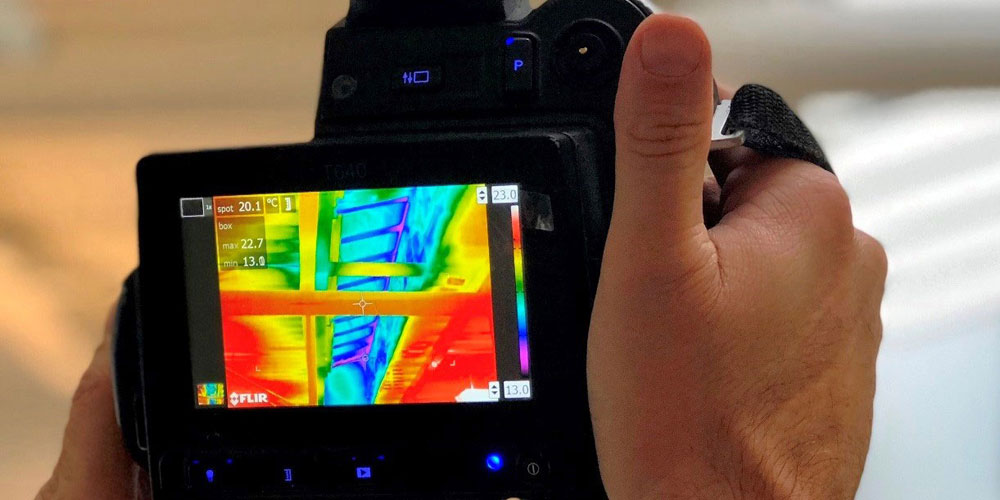
When we undertake thermal imaging surveys, we only use the FLIR P6n thermal imaging cameras, as they are an excellent choice for BREEAM requirements, due to its high resolution, sensitivity, and advanced features. Here are some key specifications that make it suitable for our BREEAM thermal imaging surveys:

High Resolution

The FLIR P6n offers a high resolution of 640 × 480 pixels. This high resolution ensures detailed thermal images, allowing for accurate identification of temperature variations and potential issues in building structures. The higher the resolution the more detail we can provide to clients.

High Thermal Sensitivity (NETD)

The camera has a very thermal sensitivity (Noise Equivalent Temperature Difference, NETD) of less than 0.03°C. This high sensitivity allows the camera to detect even the smallest temperature differences, making it ideal for identifying insulation deficiencies, air leaks, and other subtle thermal anomalies that many other cameras simply miss.

Wide Temperature Range

The FLIR P6n can measure temperatures ranging from -40°C to 650°C. This wide temperature range makes it versatile for various applications, including detecting heat loss, moisture infiltration, and electrical malfunctions.

Wide Field of View (FOV)

The camera features a field of view (FOV) of 25° × 19°. This FOV is suitable for capturing comprehensive thermal images of building envelopes, ensuring thorough inspections during BREEAM thermal imaging surveys. This wide FOV captures more detail within a single image.

Additional Features

One of the most important features of the FLIR P6n is its MSX® image enhancement, which overlays thermal images with visual details for better clarity and context.

Another great feature is the built-in GPS for geotagging images, making it easier to document and reference specific locations during surveys.

These specifications make the FLIR P6n thermal imaging camera a powerful tool for conducting BREEAM thermal imaging surveys, ensuring accurate and reliable results that contribute to the overall sustainability and efficiency of buildings.

Saving money by investing in a thermal imaging survey

Investing in thermal imaging surveys ultimately translates into significant cost savings for businesses. By identifying potential failures before they occur, organisations can undertake preventative maintenance that is far less costly than emergency repairs. For example, the cost of replacing an overheated electrical component after a fire incident far exceeds the cost of conducting routine thermal imaging inspections to catch the issue early. Moreover, improved energy efficiency resulting from identifying HVAC and insulation issues can lead to substantial reductions in utility bills. For large buildings, these savings can accumulate to significant figures over time.

As such, thermal imaging surveys not only enhance safety but also provide a solid return on investment through preventative measures and efficiency improvements. That’s why Thermal Imaging has been embraced by BREEAM and Building Regulation Part L.

Our Premium Thermal Imaging Service for Buildings

  • Supply of an ITC trained Level 3 thermographer
  • We use large format FLIR P6n-Series (640×480 resolution) thermal imaging cameras.
  • Comprehensive report to include Introduction and fault cover pages, summary problem pages, elevation inventory,
  • Detailed fault documentation pages with possible root cause and remedial recommendation (isotherm included if using equations), baseline IR and DC image of every elevation (100% coverage-no isotherm)
  • Application of thermal indexing formulas
  • Eco Friendly Email Report
  • Reports provided within 24 hours – contract dependant

Please contact us for more information If you would like to contact us for more information on our thermal imaging services, please contact us on 07775 623464, or email us at info@aptsoundtesting.co.uk.   

We undertake sound testing on all types of residential buildings and commercial buildings. We also undertake sound testing on schools and buildings containing rooms for residential purposes.

Our team of experienced sound test engineers are dedicated to giving our customers the best quality of service and offer acoustic design advice where possible, to help our clients achieve the required acoustic results to pass the sound testing and attain building completion. We can also undertake ‘in house’ UKAS accredited air tightness testing in one seamless package, lowering costs and negating coordination issues.

# About the Author

Darren Helliwell is a building performance specialist with over 25 years of hands-on experience leveraging thermal imaging, blower door testing, and smoke analysis to optimise air tightness in both new-build and refurbishment projects such as Battersea Power Station, Imperial War Museum and Harrods.

Using advanced infrared thermal imaging cameras alongside state-of-the-art blower door and smoke-testing equipment, Darren’s team delivers detailed thermographic surveys across residential and commercial buildings. These thermal imaging surveys pinpoint invisible air leaks, identify insulation defects, and reveal thermal bridging—empowering architects, contractors, and property owners to make targeted, energy-saving improvements.

Darren’s ongoing mission is to help design teams and contractors harness the power of thermal imaging to achieve truly airtight, energy-efficient building envelopes. By reducing heat loss and driving down energy bills, his thermography expertise supports sustainable, cost-effective construction and refurbishment outcomes.

Connect with Darren Helliwell: 

[Thermal Imaging Surveys] Thermal Imaging Surveys | APT Building Thermography Reports 

[APT Email] info@aptsoundtesting.co.uk  

[LinkedIn] https://www.linkedin.com/in/darren-helliwell-78789b26

Introducing Plant Noise Surveys

Introducing Plant Noise Surveys

Introducing Plant Noise Surveys

At APT Sound Testing, we understand the growing importance of plant noise surveys, especially when planning authorities require them to ensure compliance with BS4142 standards. If you’ve been asked to conduct a plant noise survey as part of a planning condition, we’re here to help.

Industrial noise is becoming an increasingly critical factor for planning authorities, particularly as the UK government pushes for the redevelopment of brownfield sites. These areas often see industrial and residential developments in close proximity, leading to concerns about noise levels and their impact on local amenity and quality of life. As a result, noise from industrial operations — such as machinery, plant, and equipment — must be carefully assessed and managed to avoid disrupting nearby communities.

Local authorities often impose restrictions on noise emissions, particularly in areas near residential properties, and achieving compliance with sound pressure level limits is essential. These limits can apply either at the site boundary or at sensitive receptors, such as nearby homes. To meet these conditions, it’s crucial to assess current noise levels, set appropriate guidelines, and monitor compliance with noise limits to ensure that noise doesn’t cause harm to local residents.

Our Plant Noise Survey Services

If you’re planning to introduce a new noise source to your site, we will begin by measuring the existing background noise levels over a 24-hour period. This helps us understand the baseline conditions of the area before assessing the potential impact of your new noise source. If the noise source is already present, we’ll measure the noise levels both with and without the source operating to establish the difference.

BS4142 provides the recognised methodology for assessing industrial noise, particularly in areas with residential housing. This standard involves measuring the existing background noise levels, typically using the LA90 measure (the level exceeded for 90% of the time), at different times of day, if necessary. Our consultants are highly experienced in applying the methods and meeting the requirements set out in BS4142, ensuring that your survey complies with the necessary regulations.

Comprehensive Reporting & Mitigation Recommendations

Our team offers detailed survey reports that clearly outline the findings and provide recommendations for noise mitigation measures where necessary. We use noise mapping techniques to demonstrate the practical effectiveness of these measures in real-world conditions. Our assessments can cover a wide range of industrial operations, including air conditioning systems, extraction units, refrigeration equipment, and general industrial plant operations.

We use the latest Norsonic acoustic equipment to conduct our surveys, ensuring accurate and reliable results. Our commitment to using state-of-the-art technology ensures that your noise survey is fully compliant with BS4142 and meets the expectations of your local authority.

If your local authority has requested that you undertake a BS4142 noise assessment, don’t hesitate to get in touch. We can guide you through the process, providing expert advice and delivering a professional noise survey that helps you achieve compliance. Contact us today at 01525 303905 or email us at info@aptsoundtesting.co.uk for more information.

Let APT Sound Testing help you manage industrial noise and navigate the planning process with ease.

UKAS Accredited Sound Testing

UKAS Accredited Sound Testing

UKAS Accredited Sound Testing Services

At APT Sound Testing, we offer comprehensive UKAS-accredited sound testing services across London and throughout the UK, fully compliant with the stringent standards outlined in Approved Document E of the Building Regulations. Our sound testing solutions cater to a variety of building types, including residential properties, commercial structures, educational institutions, healthcare facilities, and mixed-use buildings designed for both residential and commercial purposes.

Our expert team of sound testing engineers is highly experienced in managing all aspects of acoustic compliance. We understand the critical importance of meeting the required acoustic standards to ensure successful building completion. As part of our services, we offer bespoke acoustic design advice to help clients address noise-related challenges proactively. Our goal is to ensure that all our clients meet the necessary standards for sound insulation and noise reduction, making the testing process smooth and efficient.

Expertise in Sound Testing

At APT Sound Testing, our team brings extensive knowledge and experience to every sound testing project we undertake. We specialize in testing for compliance with the Building Regulations Part E, and our engineers are experts at identifying and addressing potential acoustic issues early in the process. Our services are applicable across a wide range of projects, from new residential developments to complex commercial and mixed-use spaces, educational buildings, and healthcare facilities. We are committed to providing the highest standards of service to all our clients, regardless of project size or complexity.

Sound Testing for Residential Buildings

For residential projects, whether it is a new-build house, apartment complex, or housing development, our sound testing services are crucial in ensuring that the building meets the necessary acoustic performance criteria. We carry out a range of tests, including airborne sound insulation (measuring sound transfer between rooms) and impact sound insulation (measuring sound transfer between floors). Our expert team helps self-builders, developers, and contractors ensure their projects comply with acoustic standards outlined in Approved Document E.

Sound Testing for Commercial Buildings

In commercial spaces, noise control is equally important to ensure a comfortable and productive environment for employees, customers, or tenants. APT Sound Testing is equipped to perform comprehensive sound testing for office buildings, retail spaces, and other commercial environments, ensuring that these spaces meet required acoustic regulations. Whether you are constructing a multi-storey office block or a retail development, our team will work with you to ensure compliance with the relevant regulations.

Acoustic Testing for Educational Facilities

Schools and universities must maintain quiet, controlled environments to support effective learning. Our acoustic testing services help ensure that classrooms, lecture halls, libraries, and study areas provide the necessary acoustics for education. We assess the noise transfer between rooms, particularly in areas where speech intelligibility and concentration are critical.

Healthcare Facilities

For healthcare buildings, including hospitals, clinics, and other medical facilities, our sound testing services are tailored to meet the needs of a sensitive environment. Quiet spaces, free from disruptive noise, are vital to patient care and well-being. Our testing ensures that all rooms, including patient wards, treatment areas, and waiting rooms, meet the required acoustic performance standards.

Mixed-Use Developments

Many urban developments now combine both residential and commercial spaces. For mixed-use developments, acoustic performance becomes a particularly important consideration to ensure that residential areas are not disturbed by the noise from commercial spaces. APT Sound Testing works closely with developers to ensure that these types of spaces meet both residential and commercial sound insulation standards.

Acoustic Consultancy and Design Advice

At APT Sound Testing, we don’t just perform testing, we offer comprehensive acoustic consultancy services designed to help clients navigate the challenges of noise control from the very start of the project. Our team works closely with architects, developers, and contractors during the planning and design stages to assess potential noise-related issues, offering tailored recommendations to ensure successful compliance.

Tailored Acoustic Solutions

Our approach to acoustic consultancy is highly personalized. Every project presents its own unique set of challenges, and our team works to create customized solutions for each client. Whether it’s advice on soundproofing, designing noise barriers, or assessing building materials for their acoustic performance, we provide expert recommendations that help prevent problems before they arise.

Early-stage Collaboration

We work with clients from the outset of a project, providing insights during the initial design phase. By identifying potential acoustic challenges early, we help clients incorporate noise mitigation measures into their designs, making it easier to meet the necessary standards later. This proactive approach ensures that clients avoid costly design changes and delays in the later stages of construction.

UKAS Accreditation

One of the most significant benefits of working with APT Sound Testing is our UKAS (United Kingdom Accreditation Service) accreditation. This accreditation guarantees that our sound testing services meet the highest standards of quality, precision, and reliability. UKAS accreditation means that our testing processes and equipment undergo regular, rigorous checks, ensuring that we provide accurate, trustworthy results every time.

We adhere to the ISO/IEC 17025 standard, which governs the competence of testing and calibration laboratories. This ensures that all our sound testing services are carried out with the utmost professionalism and that our results are recognized by all relevant authorities. As part of our commitment to quality, we use the latest testing equipment, all of which is UKAS calibrated, ensuring the highest level of accuracy in every test.

Integrated Testing Solutions

In addition to our sound testing services, we offer air tightness testing as part of our comprehensive service package. For many clients, combining both sound and air tightness testing helps streamline the process and reduce overall project costs. By offering both services as part of an integrated package, we simplify the testing process and help clients avoid complications that can arise from coordinating multiple testing providers.

Air Tightness Testing

Air tightness testing is an essential part of ensuring that buildings are energy-efficient and comply with Part L of the Building Regulations. The combination of sound and air tightness testing makes it easier for clients to achieve compliance with multiple regulations at once, saving time and money.

Why Choose APT Sound Testing?

Commitment to Quality and Excellence

We are dedicated to providing the highest quality service to our clients. Our team is made up of highly trained professionals who are not only technically skilled but also committed to delivering outstanding customer service. From the moment you contact us, you’ll experience a seamless, professional service designed to meet the specific needs of your project. Our in-house team ensures that every part of the testing process is handled with care and precision.

Client-Centric Approach

At APT Sound Testing, we understand that every project is unique. That’s why we offer a personalized service tailored to your needs. Our team is responsive, reliable, and always available to provide guidance, answer questions, and ensure that you receive the best possible service. Clear communication is at the heart of our client-focused approach, ensuring that you are always informed and confident throughout the testing process.

Proven Track Record

With years of experience in the industry, APT Sound Testing has built a solid reputation for delivering accurate, reliable testing services. Our client base includes a diverse range of sectors, from residential developers and commercial contractors to public sector organizations, including healthcare providers and educational institutions. Our reputation for quality service is reflected in the high rate of return clients we have, many of whom continue to trust us with their projects due to the excellent service we provide.

Our Service Areas

Based in central London, APT Sound Testing offers nationwide coverage, serving clients throughout the UK. Whether you are located in London, the South East, the Midlands, or beyond, we are ready to assist with your sound testing needs. Our flexible service ensures that we can accommodate last-minute requests and weekend work, particularly for high-priority sectors like banking and finance.

Contact APT Sound Testing

APT Sound Testing is your trusted partner for UKAS-accredited sound testing and acoustic consultancy services across London and the UK. Our expertise, commitment to quality, and comprehensive approach to sound and air tightness testing make us the ideal choice for anyone seeking reliable and precise acoustic testing solutions. Whether you are working on a residential development, a commercial project, or a specialized healthcare facility, we have the knowledge and experience to help you meet your acoustic requirements.

For more information or to schedule a consultation, please call us at 01525 303 905 or contact us through our website. We look forward to working with you on your next project and helping you achieve the acoustic performance you need for successful building completion.

# About the Author

Darren Helliwell is a building performance specialist with over 25 years of hands-on experience leveraging thermal imaging, blower door testing, and smoke analysis to optimise air tightness in both new-build and refurbishment projects such as Battersea Power Station, Imperial War Museum and Harrods.

Using advanced infrared thermal imaging cameras alongside state-of-the-art blower door and smoke-testing equipment, Darren’s team delivers detailed thermographic surveys across residential and commercial buildings. These thermal imaging surveys pinpoint invisible air leaks, identify insulation defects, and reveal thermal bridging—empowering architects, contractors, and property owners to make targeted, energy-saving improvements.

Darren’s ongoing mission is to help design teams and contractors harness the power of thermal imaging to achieve truly airtight, energy-efficient building envelopes. By reducing heat loss and driving down energy bills, his thermography expertise supports sustainable, cost-effective construction and refurbishment outcomes.

Connect with Darren Helliwell: 

[Thermal Imaging Surveys] Thermal Imaging Surveys | APT Building Thermography Reports 

[APT Email] info@aptsoundtesting.co.uk  

[LinkedIn] https://www.linkedin.com/in/darren-helliwell-78789b26

Acoustic Consultancy & Testing Services

Acoustic Consultancy & Testing Services

Acoustic Consultancy & Testing

At APT Sound Testing, we are leading acoustic consultants providing a complete, turnkey solution for all your acoustic needs. Whether you’re looking to ensure compliance with planning requirements or need to meet Building Regulations Part E for building control sign-off, our team offers expert guidance throughout every stage of your project. We prioritise both compliance and cost-effectiveness, helping you achieve high-quality acoustic performance while staying within budget.

Our expert team conducts thorough on-site sound insulation testing to assess the performance of existing walls and floors in your building. By determining sound levels, we can develop a precise acoustic design tailored to meet Building Regulations Part E requirements. From initial assessments to pre-completion testing, we ensure every aspect of your project adheres to the required acoustic standards.

Our 4-Step Acoustic Design Package

To assist our clients in meeting the requirements of Approved Document E, we offer a structured, four-step acoustic design advice package:

1. Site Survey Visits

We conduct a detailed site survey to assess the existing construction and identify any potential acoustic challenges. This helps us detect problematic materials, such as lightweight blocks, which could impact sound insulation. Additionally, we verify that acoustic materials are being installed correctly in accordance with manufacturer guidelines.

2. Sample Sound Testing

To understand the acoustic performance of your building, we carry out sample sound insulation testing on existing walls and floors. This provides an accurate assessment of the current soundproofing levels, allowing us to offer a targeted acoustic design strategy tailored to your construction.

3. Acoustic Design Review

Our specialists perform a comprehensive review of the proposed party walls and floors, ensuring the acoustic design aligns with compliance standards. We evaluate key construction elements, including mass, isolation, and absorption, to develop an optimized acoustic solution that meets or exceeds regulatory requirements.

4. Pre-Completion Sound Testing

Before your project is completed, we conduct final sound insulation testing to ensure compliance with Approved Document E. This critical step confirms that your development meets the necessary soundproofing criteria and secures building control sign-off. If your local authority has requested sound insulation testing, contact us today.

Part E Sound Insulation Testing

Since July 2003, pre-completion sound testing under Part E of Building Regulations has been a mandatory requirement for all new builds and conversions. Under these regulations, 10% of each party wall and floor construction type must be tested to ensure compliance.

Sound insulation testing is designed to verify that residential buildings provide adequate noise attenuation. Building Regulations Part E requires two distinct types of sound testing:

  • Airborne Noise Testing – Measures sound transmission through the air, such as conversations, television noise, or music.
  • Impact Noise Testing – Assesses noise generated by direct impacts on floors, such as footsteps or furniture movement.

By conducting both types of testing, we ensure that the property offers reasonable resistance to sound transmission, creating a comfortable and compliant living environment for future occupants.

Why Choose APT Sound Testing?

We are a UKAS-accredited sound insulation testing laboratory, committed to delivering reliable and efficient acoustic testing services. Our extensive experience in acoustic design allows us to provide valuable insights and practical solutions from the early design stages to final pre-completion testing.

Benefits of Working with Us:

  • Expert acoustic consultancy tailored to your project needs
  • UKAS-accredited sound insulation testing services
  • Comprehensive support from design to completion
  • Fast and accurate reporting to achieve building control sign-off
  • Cost-effective solutions that optimize construction performance

If you need sound insulation testing to meet local authority requirements, get in touch with our team today at 01525 303905 or email info@aptsoundtesting.co.uk. We are here to ensure your project meets the highest acoustic standards with a seamless and professional approach.

Sound Testing for Dwellings

Sound Testing for Dwellings

Sound Testing for Dwellings: Ensuring Compliance

Since July 2003, pre-completion sound testing has been a mandatory requirement under Part E of the Building Regulations. As a UKAS-accredited sound insulation testing laboratory, we offer a proactive and reliable sound testing service to help our clients achieve building control sign-off with ease.

If you’re involved in the construction or renovation of dwellings, it’s crucial to understand the importance of sound testing. Here’s what you need to know about the process and why it’s essential for your project.

What is Sound Testing for Dwellings?

A common question we receive from clients is: “What exactly is sound testing?” In simple terms, sound insulation testing assesses whether a building meets the required acoustic standards. It is a necessary process for new builds and conversions, ensuring compliance with building regulations.

To ensure accurate results, sound testing must be carried out by a qualified professional with third-party accreditation, such as a UKAS-accredited sound testing company. This guarantees that the testing process adheres to strict quality standards and provides reliable results for regulatory compliance.

Types of Sound Testing

There are two primary types of sound insulation testing:

1. Airborne Sound Insulation Testing

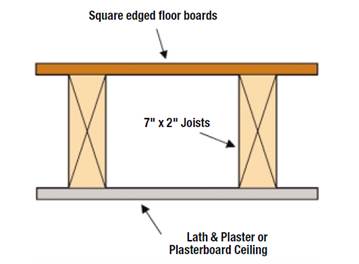
Airborne sound refers to noise that travels through the air and penetrates separating structures between rooms. In the case of a lightweight floor, airborne sound could pass through elements such as the plasterboard ceiling, the floor void, and the floorboards, ultimately reaching the adjacent room.

2. Impact Sound Insulation Testing

Impact sound measures the noise level in a room when a direct impact is made on the floor above. This test is particularly important in multi-story buildings, where sound transmission between floors needs to be minimized to ensure comfortable living conditions for occupants.

Regulatory Requirements and Compliance

The specific acoustic performance standards for new builds and conversions are outlined in Approved Document E: Resistance to the Passage of Sound. These regulations set the minimum requirements for sound insulation, ensuring that buildings provide adequate protection against noise transmission.

For refurbishments, the standards are slightly more lenient than for new constructions, as it is generally more challenging to retrofit effective soundproofing solutions into existing structures. However, compliance is still required to meet building control approval.

When is Sound Testing Required?

All new-build properties and conversions completed after July 2003 must undergo sound testing. A minimum of 10% of each party wall and floor construction type must be tested to ensure compliance with regulations. Testing is conducted between pairs of rooms that are separated by party walls or floors, helping to verify that noise levels remain within acceptable limits.

Why Choose APT Sound Testing?

At APT Sound Testing, we bring years of acoustic design experience to every project, ensuring a seamless process from initial design consultation to final pre-completion testing. Our team of expert acoustic engineers provides:

  • Comprehensive Sound Testing Services – Covering both airborne and impact sound insulation testing.
  • UKAS-Accredited Testing – Ensuring compliance with regulatory standards.
  • Fast and Reliable Service – With site visits typically available within one week.
  • Expert Acoustic Design Advice – Helping you implement effective soundproofing solutions.
  • Competitive Pricing – Offering cost-effective sound testing without compromising on quality.

Our goal is to make sound insulation testing as straightforward as possible for our clients. Whether you’re a builder, architect, or developer, we’ll guide you through the process to ensure full compliance with Building Regulations.

Book Your Sound Test Today

Don’t let sound insulation testing be an afterthought — ensure compliance early to avoid delays in your project completion. Contact APT Sound Testing today to schedule a sound test or to learn more about our additional services, including acoustic design detailing.

📧 Email: info@aptsoundtesting.co.uk
📞 Call: 01525 303 905 or 07775 623464

We look forward to working with you and helping you achieve a successful building control sign-off!