Category: BREEAM Thermal Imaging

Thermal Imaging & BREEAM Projects

Thermal Imaging & BREEAM Projects

Why Thermal Imaging Surveys Matter for BREEAM Projects

Thermal imaging surveys play a vital role in achieving compliance and maximising performance under BREEAM (Building Research Establishment Environmental Assessment Method). As one of the world’s leading sustainability assessment methods for buildings, BREEAM sets high standards for energy efficiency and environmental performance — and thermographic testing is a key part of meeting them.

Here’s why thermal imaging surveys are so important.

1. Verifying Thermal Performance

BREEAM requires that the building fabric performs as designed. A thermal imaging survey helps verify insulation continuity, detect construction defects, and confirm that the building meets its specified thermal targets.

This provides confidence that the energy model reflects real-world performance — not just theoretical calculations.

2. Identifying Energy Loss

Thermal imaging cameras detect temperature variations across walls, roofs, floors, and junctions. These variations can reveal:

  • Missing or poorly installed insulation
  • Air leakage pathways
  • Thermal bridging
  • Moisture ingress

By identifying these issues early, project teams can significantly reduce operational energy use and long-term environmental impact.

3. Securing BREEAM Credits

A compliant thermographic survey can contribute a valuable BREEAM credit, helping improve your overall rating. Whether you’re targeting Very Good, Excellent, or Outstanding, every credit matters.

4. Resolving Heat Loss Issues Quickly

Thermal imaging provides a fast, non-invasive method for diagnosing heat loss problems. Rather than relying on guesswork, contractors and consultants can pinpoint defects precisely and implement corrective measures efficiently.

5. Supporting Building Regulations Compliance

Thermography is widely regarded as the most effective method of assessing insulation continuity and detecting air leakage in completed buildings.

It plays an important role in demonstrating compliance with Part L of the Building Regulations and helps secure Building Control sign-off.


Minimum Requirements for BREEAM Thermal Surveys

Not all thermographers are qualified to conduct BREEAM-compliant surveys.

For BREEAM projects, thermographic inspections must be carried out by a certified professional holding at least:

  • Level 2 / Category 2 certification in accordance with ISO 18436-7:2014

This certification requires:

  • Approved training
  • A rigorous examination process
  • A minimum of 1,200 hours of supervised practical experience

A Level 1 thermographer is not permitted to conduct surveys independently under ISO 18436-7 unless working under the supervision of a Level 2 professional.

Additionally, qualifications such as:

  • PCN (Civil) Level 2
  • ABBE Level 4 Building Thermographer

are recognised by the United Kingdom Thermography Association (UKTA) as suitable for BREEAM thermographic surveys.

It’s always advisable to confirm acceptance of qualifications with your appointed BREEAM assessor before commissioning a survey.


Why ISO 18436-7:2014 Matters

The ISO 18436-7:2014 standard defines the competency requirements for professionals carrying out infrared thermography for condition monitoring and diagnostics.

Although originally developed for machinery monitoring, its structured certification pathway ensures thermographers have the technical knowledge and analytical ability required to perform accurate thermal assessments in building applications.

The standard provides:

  • Formal recognition of competency
  • A three-category qualification structure
  • Clear guidance on measurement, analysis, and reporting

For BREEAM surveys, certification to this standard ensures professionalism, reliability, and compliance.


Thermal Camera Specifications for BREEAM

The minimum camera resolution required for a BREEAM thermal survey is:

  • 320 × 240 pixels

However, most professional thermographers use:

  • 640 × 480 resolution cameras — providing four times the image detail and significantly improved diagnostic capability.

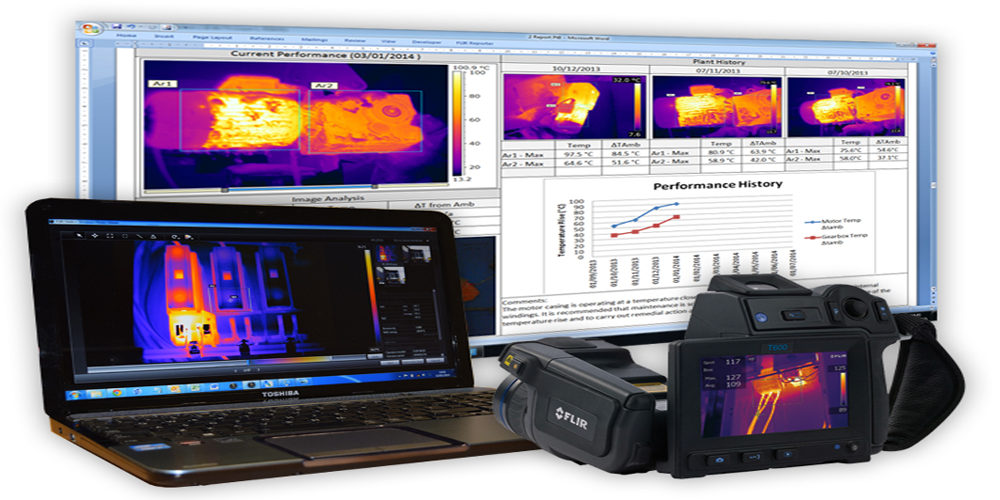
High-end services often use large-format thermal imaging cameras (commonly from manufacturers such as FLIR Systems) with wide-angle lenses to capture detailed building fabric assessments.

Camera specifications may vary depending on project scope, so always confirm requirements in advance.


How to Find a Qualified BREEAM Thermographer

If you’re sourcing a suitably qualified professional, consider checking recognised industry bodies such as:

International Association of Certified Thermographers (IACT)

The International Association of Certified Thermographers maintains a register of certified thermographers whose qualifications have been independently verified.

United Kingdom Thermography Association (UKTA)

The United Kingdom Thermography Association represents professional thermographers across the UK and provides access to qualified practitioners experienced in BREEAM surveys.

Other recognised organisations may be available depending on your region.


Why Choose Us for Your BREEAM Thermal Imaging Inspection?

We deliver professional thermal imaging inspections that exceed BREEAM’s minimum requirements.

Our credentials include:

  • Level 3 thermographic certification (the highest accreditation available)
  • UKAS-accredited and ATTMA Level 2/3 certified services
  • UKAS-calibrated equipment
  • Large-format 640 × 480 FLIR thermal cameras
  • Comprehensive reporting, including thermal indexing formulas for fault diagnosis, qualification, and severity grading

Our integrated air tightness and thermographic services ensure a complete performance assessment — helping you secure compliance, optimise energy efficiency, and protect your BREEAM rating.

To discuss your project requirements or arrange a site visit, contact APT Sound Testing on 01525 303905, email info@aptsoundtesting.co.uk, or visit www.aptsoundtesting.co.uk.
BREEAM Thermal Imaging Surveys

BREEAM Thermal Imaging Surveys

BREEAM Thermal Imaging – Ensuring Energy Efficiency & Compliance

At APT Sound Testing, we’ve been carrying out professional BREEAM thermal imaging surveys for over 10 years, helping clients across the UK achieve compliance, identify defects, and improve building performance. Using the latest high-resolution thermal imaging cameras and with all surveyors certified to Level 2 Thermography, we deliver accurate, reliable results every time.


What is a BREEAM Thermal Imaging Survey?

BREEAM (Building Research Establishment Environmental Assessment Method) is the world’s leading sustainability assessment method for buildings. Both BREEAM New Construction and BREEAM Domestic Refurbishment schemes award credits when a Level 2 certified thermographer carries out a suitable thermal imaging survey.

A BREEAM thermographic survey assesses the external envelope of a building to confirm:

  • Continuity of insulation in line with construction drawings.
  • Avoidance of thermal bridging, which can cause energy loss.
  • Minimisation of air leakage paths through the building fabric.

Because thermal imaging works on temperature differences, a 10ºC temperature differential between inside and outside is required. This allows heat escaping through poorly insulated walls, roofs, or windows to be clearly identified.


Why is it Important?

A thermal imaging survey provides clear visual and quantitative evidence of a building’s performance. It can help to:

  • Identify insulation defects and air leakage.
  • Detect moisture ingress, condensation, and mould risk.
  • Verify compliance with Building Regulations Part L and sustainability assessments.
  • Demonstrate construction quality assurance on new builds.
  • Highlight opportunities for energy efficiency improvements, reducing both energy bills and CO₂ emissions.

If anomalies are detected, our surveyors investigate potential causes and provide practical guidance on remedial works to help you achieve BREEAM credits.


Non-Invasive & Highly Accurate

One of the key benefits of thermal imaging surveys is that they are completely non-invasive and non-destructive. No physical damage is caused to the building fabric, yet the results provide powerful insight into performance.

At APT Sound Testing, we use the most advanced thermography equipment available, capable of detecting faults that lower-grade systems might miss. Our professional reports are clear, detailed, and typically issued within 24 hours of the survey.


Applications of Thermal Imaging Surveys

We offer BREEAM-compliant thermographic surveys across multiple sectors, including:

  • Building envelope thermal surveys (insulation and airtightness checks).
  • Flat roof condition surveys (detecting trapped moisture or leaks).
  • Data centre thermal surveys (identifying hotspots and inefficiencies).
  • Mechanical & electrical installations (overheating or load imbalance).
  • Underfloor heating inspections (performance verification).

Whether for commercial developments or domestic projects, our surveys are tailored to meet your exact requirements.


Additional Pre-Completion Testing

Alongside BREEAM thermal imaging surveys, we also provide:

  • Air tightness testing (Building Regulations Part L).
  • Sound testing (Building Regulations Part E).
  • Planning noise surveys (BS8233 & BS4142).
  • Server room integrity testing.

This means we can deliver a turnkey compliance package, simplifying the process for developers, contractors, and building owners.


Why Choose APT Sound Testing?

✅ Over 10 years’ experience delivering BREEAM thermal imaging surveys.
✅ All surveyors are Level 2 Certified Thermographers.
✅ Industry-leading high-resolution equipment.
Fast turnaround – reports usually within 24 hours.
Friendly, expert support from our acoustic and airtightness consultants.
✅ Ongoing client-focused service that ensures long-term value.


Book Your BREEAM Thermal Imaging Survey

A thermographic inspection can be carried out once the building envelope is complete and the heating is operational. To get started, all we need are:

  • Floor plans
  • Elevation drawings
  • Building location

We’ll then provide a competitive quotation and send you our pre-survey checklist to help you prepare.

📞 Call APT Sound Testing today on 01525 303905 or use our online contact form to discuss your requirements with one of our experienced consultants.

Thermal Imaging & BREEAM Compliance

Thermal Imaging & BREEAM Compliance

Thermal Imaging & BREEAM Compliance

In the world of smart buildings and sustainable construction, electrical thermal imaging has emerged as an essential tool. By visualizing heat patterns in electrical systems, it helps facility managers spot potential faults early, before they escalate into costly or hazardous issues.

But thermal imaging isn’t just about safety and maintenance. It also plays a pivotal role in meeting BREEAM (Building Research Establishment Environmental Assessment Method) standards, a globally recognized benchmark for sustainable building performance. In this guide, we’ll dive into how thermal imaging supports BREEAM compliance, how inspections work, and why using FLIR-certified professionals is crucial for accurate results.


What Is Electrical Thermal Imaging?

Electrical thermal imaging uses infrared (IR) cameras to detect and visualize heat emitted by electrical components. All systems produce heat during operation, but when something’s running too hot, it’s often a sign of trouble.

Common issues identified through thermal imaging include:

  • Overloaded circuits
  • Loose or corroded connections
  • Deteriorating insulation
  • Failing components

These heat anomalies are captured in thermographic images, or thermograms, which use color gradients to highlight temperature differences. Trained technicians interpret these visuals to spot irregularities, identify risks, and recommend targeted actions.


Why It Matters: Thermal Imaging and BREEAM Compliance

BREEAM assesses how well a building performs across a range of sustainability metrics, including energy efficiency, resilience, and occupant safety. Electrical thermal imaging supports several key areas of the assessment:

  • Uncovering energy inefficiencies like air leaks or poor insulation
  • Identifying underperforming electrical systems before they impact operations
  • Enhancing safety by spotting potential fire risks

Routine thermal inspections not only improve operational reliability but also contribute to BREEAM credits, boosting your building’s environmental credentials.


How Thermal Imaging Inspections Are Conducted

A successful thermal inspection involves more than just pointing a camera at a panel. Here’s a step-by-step look at what goes into a professional assessment:

1. Preparation

Before any scanning begins, technicians outline a clear scope: which systems will be inspected and under what operating conditions. Importantly, systems must be energized and under load to generate useful heat signatures.

Safety is also paramount. Proper PPE (personal protective equipment) and compliance with electrical safety protocols are non-negotiable.

2. Data Collection

With a plan in place, technicians use high-resolution IR cameras to scan:

  • Distribution boards
  • Circuit breakers
  • Switchgear
  • Transformers
  • Cabling and terminations

Camera settings, like emissivity, reflected temperature, and focus, are carefully calibrated to ensure accurate readings.

3. Image Analysis

Interpreting thermograms is where experience matters. Technicians look for:

  • Concentrated hot spots
  • Unusual thermal gradients
  • Components running hotter than others in the same system

They must differentiate between genuine faults and environmental effects (like sunlight or reflections), ensuring conclusions are data-driven and reliable.

4. Reporting and Recommendations

A thorough inspection report includes:

  • Annotated thermographic images
  • Temperature data
  • Fault severity assessments
  • Suggested next steps

When done in accordance with BREEAM protocols, these reports can directly support certification documentation and long-term building strategies.


FLIR Certification: Ensuring Accuracy and Reliability

While FLIR cameras are among the most trusted in the industry, certification is what separates amateurs from professionals. A FLIR-certified technician is trained to:

  • Adjust settings based on surface types and environmental conditions
  • Interpret thermal images accurately
  • Avoid false positives and identify real faults

How Certification Works

Technicians complete tiered training (Level 1, Level 2, etc.), covering:

  • Infrared physics and heat transfer
  • Camera operation best practices
  • Real-world fault detection scenarios
  • Reporting standards aligned with industry and compliance frameworks

Certification ensures thermal inspections meet a consistent standard, essential when results impact building safety and certification outcomes.


Beyond Compliance: Practical Benefits of Thermal Imaging

Thermal imaging is more versatile than you might think. Its applications extend well beyond electrical inspections:

Building Diagnostics

Use thermal scans to identify:

  • Heat loss through walls, windows, or roofs
  • Moisture ingress and water leaks
  • HVAC inefficiencies

These insights support preventative maintenance and smarter facility planning.

Energy Audits

Thermal imaging plays a key role in energy efficiency assessments, helping prioritize upgrades that cut emissions and lower utility bills, another boost for BREEAM scoring.

Ongoing Monitoring

In mission-critical environments, permanent thermal cameras can provide real-time data for predictive maintenance, ensuring equipment stays online and operational.


The Bottom Line

Electrical thermal imaging is a non-invasive, data-rich way to enhance building performance and safety. It’s a must-have for anyone aiming to:

  • Maintain electrical integrity
  • Reduce energy waste
  • Meet BREEAM certification standards
  • Avoid unexpected downtime and costly repairs

But success depends on two things: using the right equipment (like FLIR thermal cameras) and hiring trained, certified professionals to interpret the results.

Whether you’re managing a commercial facility, planning a retrofit, or pursuing green building credentials, thermal imaging is more than a helpful tool, it’s a strategic investment in your building’s future.

# About the Author

Darren Helliwell is a building performance specialist with over 25 years of hands-on experience leveraging thermal imaging, blower door testing, and smoke analysis to optimise air tightness in both new-build and refurbishment projects such as Battersea Power Station, Imperial War Museum and Harrods.

Using advanced infrared thermal imaging cameras alongside state-of-the-art blower door and smoke-testing equipment, Darren’s team delivers detailed thermographic surveys across residential and commercial buildings. These thermal imaging surveys pinpoint invisible air leaks, identify insulation defects, and reveal thermal bridging—empowering architects, contractors, and property owners to make targeted, energy-saving improvements.

Darren’s ongoing mission is to help design teams and contractors harness the power of thermal imaging to achieve truly airtight, energy-efficient building envelopes. By reducing heat loss and driving down energy bills, his thermography expertise supports sustainable, cost-effective construction and refurbishment outcomes.

Connect with Darren Helliwell: 

[Thermal Imaging Surveys] Thermal Imaging Surveys | APT Building Thermography Reports 
[APT Email] info@aptsoundtesting.co.uk 
[LinkedIn] https://www.linkedin.com/in/darren-helliwell-78789b26