BREEAM Thermal Imaging Surveys
BREEAM Thermal Imaging Surveys: Thermographic Inspections
At APT Sound Testing, we have been providing professional BREEAM thermal imaging surveys for more than 10 years. Our experienced team uses high-resolution thermal imaging equipment to identify issues with insulation continuity, thermal bridging and heat loss, helping clients meet BREEAM requirements and improve building performance.
All of our thermal imaging surveys are carried out by Level 2 certified thermographers, providing clients with a professional and reliable assessment of their building.
What Is a BREEAM Thermal Imaging Survey?
Thermographic surveys are an important part of the BREEAM assessment process. BREEAM (Building Research Establishment Environmental Assessment Method) is one of the world’s leading methods for assessing the sustainability and environmental performance of buildings.
BREEAM sets standards for sustainable building design, construction and operation. Both BREEAM New Construction and BREEAM Domestic Refurbishment recognise the value of suitable thermographic surveys carried out by a suitably qualified Level 2 thermographer.
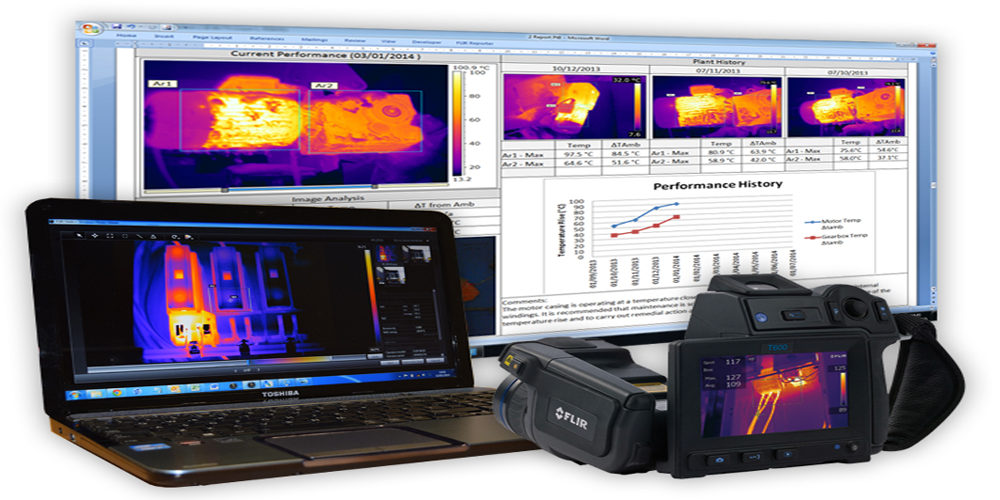
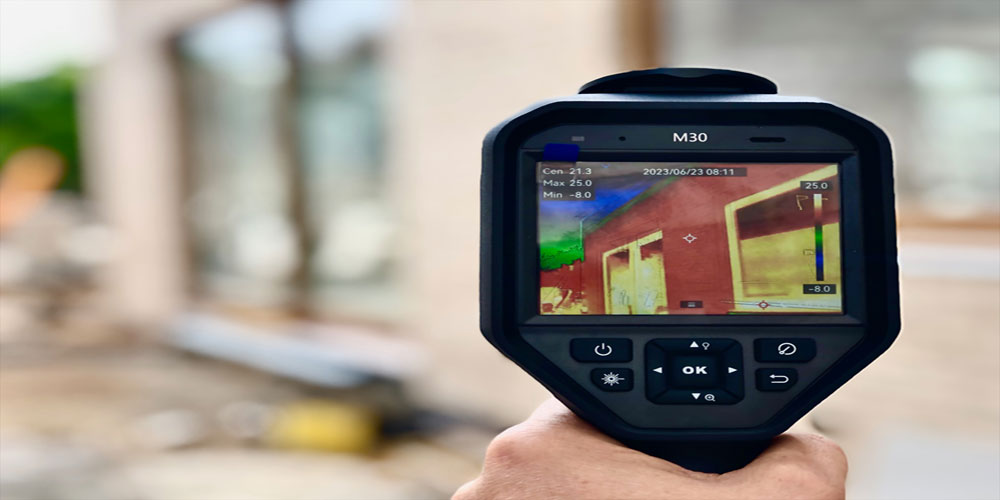
A thermal imaging survey uses specialist infrared cameras to detect temperature variations across the building envelope. These temperature differences can highlight areas where insulation may be missing, poorly installed or discontinuous, as well as potential thermal bridging and other defects.
What Can Thermal Imaging Surveys Identify?
A professional thermographic inspection can be used for a wide range of applications, including:
- Insulation continuity checks
- Thermal bridging
- Areas of heat loss
- Paths of air leakage
- Building envelope defects
- Underfloor heating inspections
- Flat roof condition surveys
- Data centre thermal surveys
- Electrical and mechanical installation inspections
- General building performance investigations
We provide thermal imaging surveys for both commercial and domestic properties, with the scope of each inspection tailored to the requirements of the project.
Non-Invasive and Non-Destructive Testing
One of the key benefits of thermal imaging is that it is a completely non-invasive and non-destructive inspection method. There is no need to open up walls, remove finishes or physically damage the building to investigate potential insulation defects.
Our high-resolution thermal imaging equipment allows our certified thermographers to identify temperature differences that may indicate areas requiring further investigation, providing valuable information without disrupting the building.
Experienced Level 2 Thermographers
Our team of certified professional engineers has extensive experience in thermal imaging, BREEAM assessments, construction, engineering, building maintenance and professional management.
We understand that every building and project is different. Our surveys are therefore planned around the specific requirements of your property, whether you need a BREEAM thermal survey for a new development, a refurbishment project or a wider building investigation.
We use professional, high-resolution thermal imaging equipment designed to provide detailed and accurate results. Following the inspection, we produce a comprehensive report and issue it electronically for convenient access.
Where project requirements allow, reports can normally be provided within 24 hours of completing the survey.
When Should a BREEAM Thermal Survey Be Carried Out?
A BREEAM thermographic inspection can generally be undertaken once the building envelope is complete and the heating system is operational. Suitable environmental and building conditions are important to ensure that the thermal survey can identify temperature differences effectively.
We can advise you on the requirements for your specific project and provide guidance on preparing the building ahead of the inspection.
A Complete Pre-Completion Testing Service
APT Sound Testing can provide more than just thermal imaging. We can also assist with a range of pre-completion and building performance testing requirements, including:
- Air tightness testing for Building Regulations Part L
- Sound insulation testing for Building Regulations
- Planning noise surveys in accordance with BS 8233 and BS 4142
- Server room integrity testing
- Thermal imaging surveys for BREEAM and building performance assessments
By combining multiple testing services, we can provide a convenient, coordinated solution for construction and refurbishment projects.
What Do We Need to Provide a Quotation?
Getting started is straightforward. To prepare a quotation, we typically require a few details about your project, including:
- The building location
- Floor plans
- Elevation drawings
- The type and size of the building
- The purpose and scope of the thermal survey
We can also provide an informative checklist to help you prepare your property and ensure the survey can be completed efficiently.
BREEAM Thermal Imaging Surveys Across London and the UK
Whether you require a BREEAM thermal imaging survey in London or elsewhere in the UK, APT Sound Testing can provide professional thermographic inspection services tailored to your project.
Our Level 2 certified thermographers have extensive experience across commercial, residential and construction projects. We focus on providing clear, accurate and useful reports that help identify potential issues and support the wider assessment and compliance process.
If you’re unsure whether a thermal imaging survey is required for your project, our team can discuss your requirements and advise you on the appropriate testing.
Arrange Your BREEAM Thermal Imaging Survey
If you require a professional BREEAM thermal imaging survey, contact APT Sound Testing today.
Call us on 01525 303905 or email info@aptsoundtesting.co.uk to discuss your project and request a quotation.
Our experienced team is ready to assist with your thermal imaging and pre-completion testing requirements from initial enquiry through to the completed report.