A Guide to Smoke Shaft Air Testing
Elevate Fire Safety Standards with Professional Smoke Shaft Air Testing
Smoke shaft air testing is a critical component of modern fire safety strategies, helping to ensure that smoke control systems perform effectively when they are needed most. In the event of a fire, smoke presents one of the greatest risks to building occupants, accounting for more than 60% of fire-related fatalities through smoke inhalation.
Our premium smoke shaft testing service includes:
- Smoke shaft survey visits by experienced consultants
- We are a UKAS and ATTMA Level 2 accredited air testing company
- Smoke shaft air test certification to UKAS/ATTMA
- The latest high-powered fan equipment
- UKAS calibrated equipment.
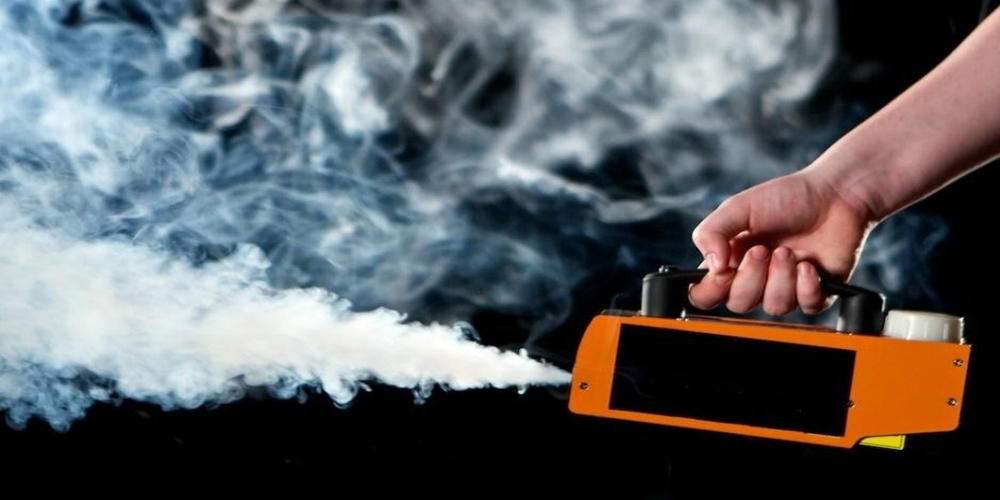
- The best diagnostic leakage service using smoke machines & thermal imaging.
- Rapid testing service
At APT, we provide comprehensive smoke shaft air tightness testing and remediation services, helping developers, contractors, and building owners achieve regulatory compliance while safeguarding occupants and emergency responders.
Why Is Smoke Shaft Air Testing Important?
Smoke shafts are commonly incorporated into fire-engineered solutions for high-rise residential and commercial buildings. As a key element of a building’s smoke control system, the air tightness of the smoke shaft is essential to its performance.
During a fire, smoke shafts work alongside Automatic Opening Ventilation (AOV) systems to remove smoke from escape routes and common access areas. However, if the shaft is not sufficiently airtight, the effectiveness of the entire smoke control system can be compromised.
Most smoke shafts are required to achieve an air permeability target of approximately 3.8 m³/hr/m². Failure to meet this standard can prevent the smoke control system from being signed off by the fire system contractor or Building Control.
Expert Testing and Remediation Services
APT has extensive experience testing smoke shafts of all sizes across a wide range of developments. In addition to air tightness testing, we offer specialist diagnostic services for smoke shafts that fail initial testing.
Using a combination of:
- Smoke testing
- Thermal imaging surveys
- Air leakage diagnostics
we can quickly identify air leakage pathways within the smoke shaft envelope.
Our findings are compiled into a detailed air leakage report, enabling contractors to carry out targeted remedial sealing works. This focused approach reduces unnecessary disruption and significantly increases the likelihood of achieving a pass during subsequent testing.
Why Undertake Air Testing for Smoke Shafts?
1. Compliance with Legislation and Standards
All buildings incorporating smoke shafts should undergo air tightness testing to demonstrate compliance with relevant standards and fire safety requirements, including:
- BS 9991:2015 – Fire safety in the design, management and use of residential buildings
- BS 9999 – Fire safety in the design, management and use of buildings
Testing provides evidence that the smoke shaft performs as intended and supports Building Control approval.
2. Improved Fire Safety
Smoke is often more dangerous than flames during a fire emergency. Effective smoke control systems help to:
- Protect escape routes for occupants
- Improve visibility during evacuation
- Reduce exposure to toxic smoke
- Assist firefighters during rescue and firefighting operations
Air tightness testing helps ensure that smoke shafts can effectively remove smoke and maintain safe evacuation conditions.
3. Verification of System Performance
Before AOV systems can be commissioned, the smoke shaft must demonstrate adequate airtightness. Testing verifies that the shaft can operate efficiently and deliver the required smoke extraction performance during an emergency.
Building Regulations and Smoke Shaft Standards
Smoke shaft design and testing requirements continue to evolve alongside changes in UK fire safety legislation.
For residential developments, BS 9991:2015 provides detailed guidance on smoke control systems and the role of smoke shafts in maintaining safe means of escape. Compliance with these standards is increasingly important, particularly in higher-risk residential buildings.
Professional testing provides documented evidence that a smoke shaft meets the required performance criteria and supports the building approval process.
How Often Should a Smoke Shaft Be Air Tested?
The frequency of smoke shaft testing depends on several factors, including building type, maintenance schedules, insurance requirements, and regulatory obligations.
New Buildings and Major Refurbishments
Newly installed smoke shafts should always undergo initial air tightness testing before commissioning. This confirms compliance and verifies that the system will perform effectively during a fire emergency.
Ongoing Maintenance and Periodic Testing
Following initial certification, smoke shafts should be regularly inspected and retested to ensure ongoing performance. As a general guideline, annual testing every 12 months is recommended.
Regular testing helps identify:
- Deterioration of seals
- Damage to the shaft structure
- Unauthorised modifications
- Air leakage that could affect system performance
Proactive maintenance ensures continued compliance and reliability throughout the building’s lifecycle.
Why Choose APT for Smoke Shaft Air Testing?
APT has successfully undertaken smoke shaft and AOV testing across London and the South East on a number of prestigious projects, including:
- Battersea Power Station
- Imperial War Museum
- Claridge’s Hotel
- The Berkeley Hotel
As one of the few companies accredited for both building air tightness testing and specialist smoke shaft testing, we offer a level of expertise that sets us apart.
Our accreditations include:
- UKAS accreditation
- ATTMA Level 2 accreditation
Whether you require compliance testing, diagnostic investigations, or remediation support, our experienced team can help ensure your smoke shaft achieves the required performance standards.
Contact APT
For more information about our smoke shaft (AOV) testing services or to request a copy of our smoke shaft testing checklist, contact APT today by calling 01525 303905 and speak with one of our specialists.