Category: Thermal Imaging

Building Issues & Thermal Imaging Surveys

Building Issues & Thermal Imaging Surveys

Hidden Building Issues & Thermal Imaging Surveys

hen it comes to maintaining a building’s performance, comfort, and long-term value, thermal imaging surveys have become an essential part of modern property assessment. Using advanced infrared technology, these surveys detect subtle temperature differences across surfaces, highlighting issues that would otherwise remain hidden.

From pinpointing energy loss to uncovering water ingress and structural concerns, thermal imaging provides a clear, non-invasive way to diagnose problems early and accurately.

What Is Thermal Imaging?

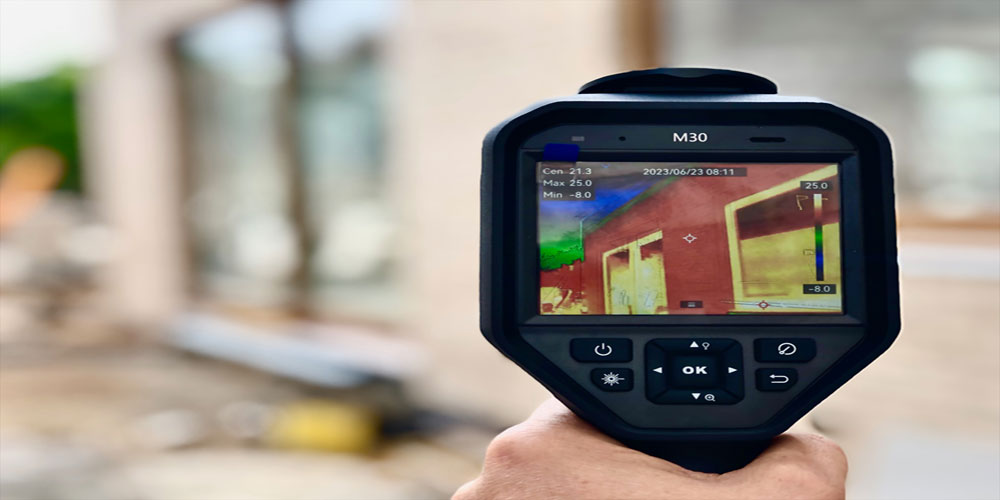
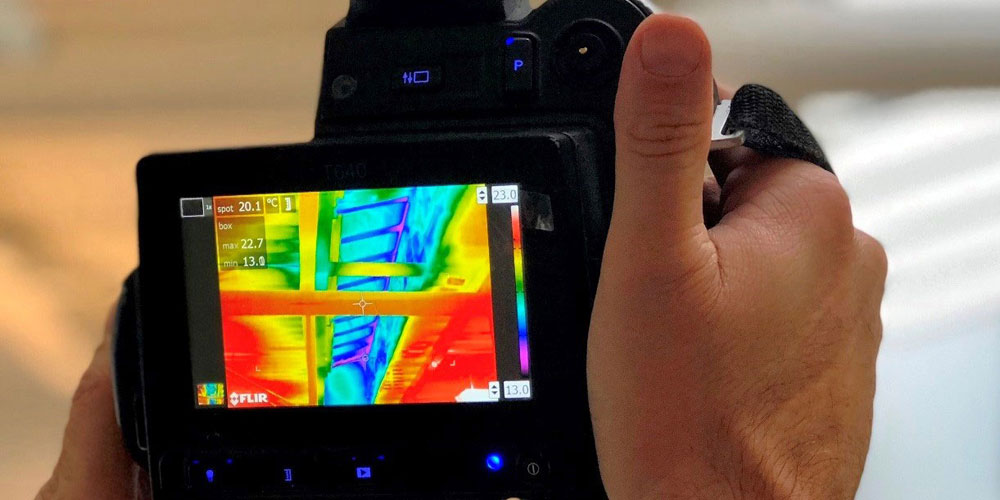
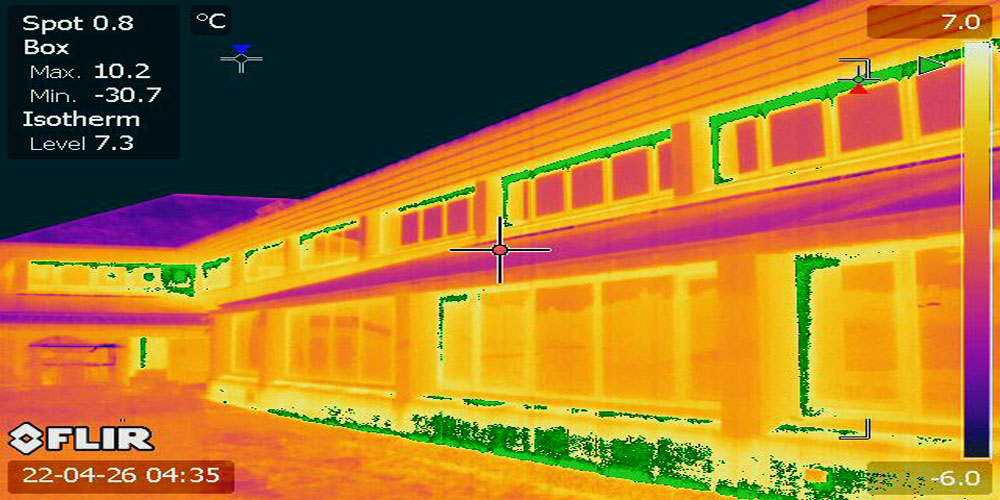
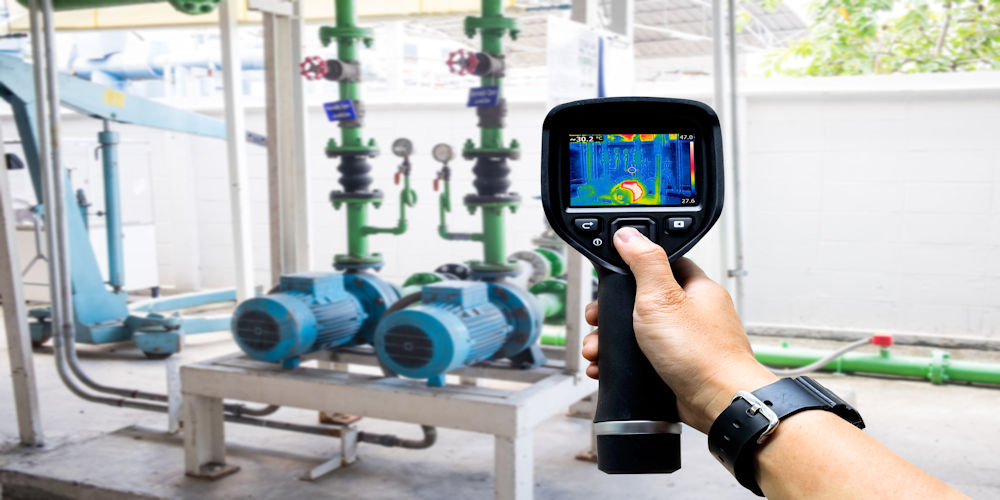
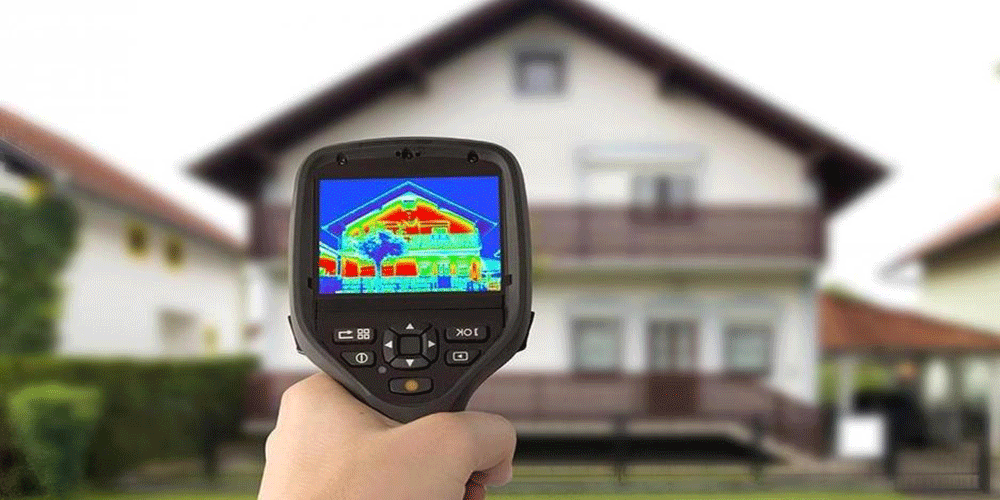
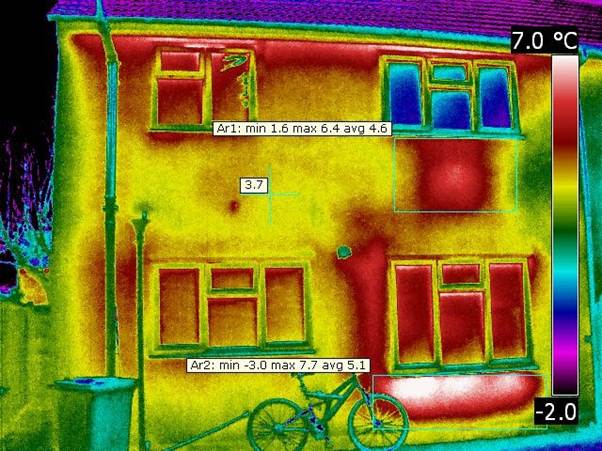
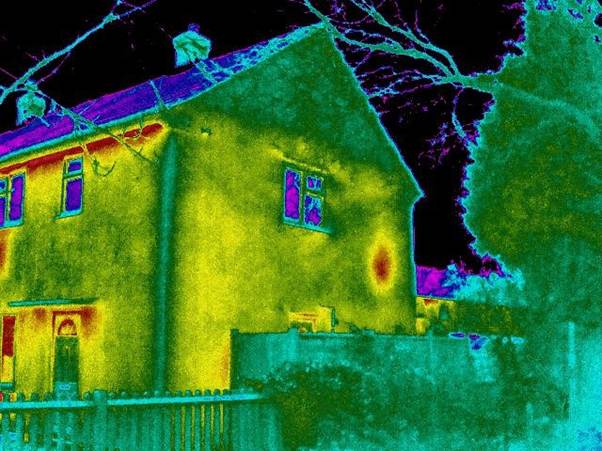
Thermal imaging, also known as thermography, aptures infrared radiation emitted by objects. While this radiation is invisible to the human eye, thermal cameras translate it into visual images using colour variations to represent temperature differences.

These images reveal “thermal anomalies,” which can indicate underlying issues such as:

  • Heat loss from poor or damaged insulation
  • Moisture intrusion from leaks or damp
  • Overheating electrical systems
  • Structural defects affecting building integrity

Expertise You Can Trust

With over 15 years of experience delivering high-quality thermographic surveys across England and Wales, we support a wide range of industrial and commercial clients. Our detailed reports are designed to meet the requirements of construction professionals, insurers, facility managers, building control bodies, and sustainability assessors.

Thermal Imaging for Commercial Buildings

For commercial properties, thermal imaging surveys offer valuable insights into the performance of the building envelope, often at a relatively low cost. Many surveyors rely on us as a first point of contact when investigating building defects.

Beyond identifying heat loss, infrared surveys can help detect:

  • Energy inefficiencies – highlighting where improvements can reduce operational costs
  • Damp and moisture issues – locating water ingress in walls, ceilings, roofs, and rooflights
  • Water leaks – identifying faults within plumbing systems
  • Thermal bridging – spotting gaps or weaknesses in insulation around doors and windows
  • Insulation defects – revealing missing or poorly installed insulation
  • Air infiltration – detecting unwanted draughts affecting occupant comfort
  • Air leakage paths – showing where conditioned air is escaping, wasting energy

Thermal Imaging for Residential Properties

Thermal imaging surveys aren’t just for commercial buildings, they’re equally valuable for homeowners looking to improve comfort and reduce energy bills.

A residential survey can uncover:

  • Areas of significant heat loss
  • Damp or moisture problems, including roof or chimney leaks
  • Hidden plumbing leaks, including underfloor heating systems
  • Insulation gaps causing cold spots
  • Draughts entering through the building fabric
  • Warm air escaping unnecessarily

By identifying these issues early, homeowners can take targeted action to improve efficiency and reduce costs.

Supporting Sustainable Building Standards

Thermal imaging surveys also play a key role in sustainability assessments. They are widely recognised as part of best practice in evaluating building performance and are often required for environmental certification schemes.

Our surveys are carried out by highly qualified thermographers using advanced, high-resolution thermal imaging equipment. This ensures accurate, reliable results that support compliance with stringent environmental and performance standards.

A Smarter Way to Understand Your Building

Whether you’re managing a commercial property or improving your home, thermal imaging offers a powerful, non-destructive way to see what’s really happening beneath the surface.

If you’re looking to reduce energy costs, improve comfort, or diagnose hidden issues, a professional thermal imaging survey is a smart place to start.

To discuss your project requirements or arrange a site visit, contact APT Sound Testing on 01525 303905, email info@aptsoundtesting.co.uk, or visit www.aptsoundtesting.co.uk.

How Thermal Imaging Helps Surveyors

How Thermal Imaging Helps Surveyors

How Thermal Imaging Helps Surveyors on Commercial Properties

When purchasing a commercial property, whether it’s an office, retail unit, or industrial building, understanding its true condition is essential. One increasingly valuable tool for surveyors is thermal imaging. But how exactly does it help?

Thermal imaging provides a deeper level of insight than traditional visual inspections, helping surveyors uncover hidden issues and give clients a clearer, more informed picture before committing to a purchase.

Key Benefits of Thermal Imaging for Property Buyers

1. Detecting Hidden Building Issues
Thermal imaging can reveal problems that aren’t visible to the naked eye. This includes electrical faults, water ingress, and defects within the building envelope. By identifying these issues early, surveyors can provide clients with a more accurate assessment of the property’s condition.

2. Improving Energy Efficiency
Heat loss is one of the biggest contributors to high energy costs in commercial buildings. Thermal imaging highlights areas where insulation is missing or ineffective, allowing buyers to plan targeted improvements that can significantly reduce future energy bills.

3. Enhancing Safety
Overheating electrical components are a common fire risk. Thermal imaging allows surveyors to detect these hazards before they become serious problems, ensuring necessary repairs can be carried out prior to occupancy. It can also minimise the need for working at height or accessing restricted areas.

4. Non-Invasive Inspection
Unlike traditional investigative methods, thermal imaging does not require drilling or dismantling parts of the building. This means surveyors can carry out thorough inspections quickly and without causing damage.

5. Pest Detection
Thermal cameras can even detect the presence of pests by identifying heat signatures behind walls or within ceiling and floor voids. Early detection helps prevent structural damage and potential health risks.

6. Stronger Negotiation Position
Armed with clear evidence of defects, buyers are in a stronger position to negotiate. Whether requesting repairs or a reduction in purchase price, thermal imaging findings can provide valuable leverage during the transaction.


How Thermal Imaging Inspections Work

Thermal imaging surveys use advanced infrared technology to detect temperature variations across surfaces.

Infrared Technology
High-resolution thermal cameras capture heat signatures and translate them into colour-coded images. These images make it easy to identify abnormal temperature patterns that may indicate underlying issues.

Areas Covered
Surveyors typically scan key areas of the building, including walls, ceilings, floors, insulation, plumbing systems, and electrical installations. This comprehensive approach ensures that hidden defects are not overlooked.


Common Issues Identified

Thermal imaging can uncover a wide range of problems. Some of the most common include:

  • Water leaks and moisture – Cooler areas often indicate the presence of moisture within walls, ceilings, or floors.
  • Insulation gaps – Missing or inadequate insulation in roofs, walls, or floors becomes immediately visible.
  • Electrical faults – Overheating components can be identified before they lead to failure or fire.
  • Structural defects – Hidden cracks or irregularities within the building fabric can sometimes be detected through temperature variation.

Why It Matters

Ultimately, thermal imaging gives buyers confidence. By providing a detailed and non-invasive assessment, it ensures there are no costly surprises after purchase—helping clients make informed, strategic decisions.


Book a Thermal Imaging Survey

If you’re considering a thermal imaging survey for a commercial property, working with experienced and certified professionals is key.

At APT Sound Testing, inspections are carried out using high-specification equipment that exceeds industry standards, including BREEAM requirements. Surveys are conducted by Level 3 certified thermographers, the highest level of accreditation, using large-format FLIR thermal imaging cameras.

Each survey includes:

  • Level 3 thermographic certification
  • Level 3 qualified electrical thermographers
  • High-resolution FLIR cameras with 45-degree lenses
  • A detailed report with thermal indexing, fault diagnosis, and severity grading

If you need a thermal survey to a commercial property, please let us know and we will book in the first available date for you. If you have any further questions in regard to the above, please don’t hesitate to call APT Sound Testing on 01525 303905 or email: info@aptsoundtesting.co.uk

Thermal Imaging Surveys & Modern Buildings

Thermal Imaging Surveys & Modern Buildings

Thermal Imaging Surveys: Essential for Modern Buildings

Maintaining the performance, safety, and energy efficiency of a building isn’t always straightforward, especially when many issues remain hidden from view. That’s where thermal imaging surveys come in.

Using advanced infrared technology, thermal imaging allows us to see what the naked eye cannot. By detecting subtle temperature variations, these surveys help uncover hidden defects early, before they escalate into costly repairs or operational disruptions.

From heat loss and water ingress to electrical faults and structural concerns, thermal imaging provides a powerful, non-invasive way to assess the true condition of a building.

With over 15 years of experience delivering high-quality thermographic surveys across England and Wales, we support industrial and commercial clients with detailed reports that meet the standards required by construction and insurance companies, facility managers, building control, and BREEAM assessors.


What Is Thermal Imaging?

Thermal imaging — also known as thermography — is a technique that captures the infrared radiation naturally emitted by objects. While this type of radiation is invisible to the human eye, specialist thermal cameras can detect it and convert it into clear, colour-coded images.

These images highlight temperature differences across surfaces, making it easy to spot irregularities that may indicate underlying issues.

Common problems identified through thermal imaging include:

  • Heat loss caused by missing or poorly installed insulation
  • Moisture intrusion from leaks or damp conditions
  • Electrical faults due to overheating components or wiring issues
  • Structural defects linked to compromised building elements

In short, thermal imaging offers a fast, accurate, and highly effective way to diagnose problems that would otherwise go unnoticed.


The Value of Thermal Imaging for Commercial Buildings

For commercial properties, thermal imaging surveys are particularly valuable. They provide detailed insight into how a building performs thermally, without disruption and at a relatively low cost.

That’s why many surveyors and property professionals rely on thermal imaging as a first step in identifying defects.

An infrared survey can reveal much more than just heat loss. It can help identify:

  • Energy inefficiency – Pinpointing where energy is being lost and where savings can be made
  • Damp and water ingress – Locating leaks in roofs, walls, and floors
  • Plumbing issues – Detecting hidden water leaks within building systems
  • Thermal bridging – Highlighting weak points around doors, windows, and structural junctions
  • Insulation defects – Revealing gaps or poorly installed insulation
  • Air infiltration – Identifying cold draughts entering the building
  • Excess air leakage – Showing where warm air escapes, leading to energy waste or overheating

Thermal Imaging and BREEAM Compliance

Thermal imaging surveys now play a key role in BREEAM, the world’s leading environmental assessment method for buildings.

Both BREEAM New Construction and Domestic Refurbishment schemes award credits for thermal imaging inspections carried out by qualified professionals (Level 2 thermographers or above).

With more than a decade of experience delivering BREEAM-compliant surveys, APT Sound Testing provides reliable assessments to verify insulation continuity and overall thermal performance. All surveys are conducted by Level 3 certified thermographers using high-resolution FLIR cameras, ensuring precise and dependable results that meet strict industry standards.


Why Choose a Professional Thermal Imaging Survey?

A professional thermal imaging survey offers far more than just peace of mind. It delivers practical, measurable benefits, including:

  • Accurate identification of heat loss, moisture, and electrical issues
  • Improved energy efficiency and reduced running costs
  • Preventative maintenance, fixing issues before they become expensive problems
  • Non-invasive testing with no damage to the building
  • Safer inspections without the need for working at height
  • Fast turnaround times with clear, actionable reports
  • Expert analysis from certified Level 3 thermographers
  • High-resolution imaging using advanced infrared technology
  • Detailed reports with severity ratings and tailored recommendations
  • Long-term cost savings through early intervention

Common Issues Revealed by Thermal Imaging

Thermal imaging surveys regularly uncover:

  • Heat loss from poor insulation or structural gaps
  • Hidden moisture caused by leaks or damp conditions
  • Overheating electrical components and overloaded circuits
  • Structural movement, cracks, or material degradation

Identifying these issues early can make a significant difference—both in terms of cost and building performance.


Book Your Thermal Imaging Survey

If you want to improve your building’s efficiency, reduce energy costs, and catch problems before they escalate, a thermal imaging survey is a smart investment.

APT Sound Testing’s experienced team is ready to help you protect your property and optimise its performance with accurate, reliable diagnostics.

Phone: 01525 303905
Email: info@aptsoundtesting.co.uk
Website: www.aptsoundtesting.co.uk

The Power of Thermal Imaging Surveys

The Power of Thermal Imaging Surveys

Discover the Power of Thermal Imaging Surveys

APT Sound Testing provide UKAS accredited sound testing & Thermal Imaging Surveys for London and the whole of the UK as required by Approved Document E of the Building Regulations. We undertake projects on all types of residential buildings and commercial buildings. We also undertake sound testing on schools and buildings containing rooms for residential purposes.

Thermal Imaging Surveys in London

A thermal Imaging survey is a completely non-invasive method of investigating many aspects of a building that are virtually impossible by any other method.

Thermal Imaging Process

A thermal Imaging survey is an extraordinary method of investigating many aspects of a building that is completely non-invasive.

Thermal Imaging Inspections use IR Thermography to identify a wide range of issues such as:

• Incorrectly applied or inadequate insulation within the building envelope

• Locating air leakage paths into/out of your building

• Moisture infiltration

• Poor moisture barriers

There is no other low impact and accurate way to assess the unseen performance of insulation or the building fabric.

A thermal Imaging Survey can is also ideal for identifying water penetration through roofs or other parts of a building structure, alleviating the need for time consuming water dye tests which are not always accurate.

Flir Thermal Imaging Cameras

APT Sound Testing uses the latest Flir Thermal Imaging Cameras for our thermography report generation and as well as utilising the latest software for accurate reportage and trend analysis.

This means or thermal imaging reports can be issued within hours of the survey being completed with recommendations to help our clients deal with every eventuality.

How we Prepare for a Thermographic Survey

What is also important is that there must be no direct or residual solar loading from the sun in the building.

Many companies have their thermal imaging surveys undertaken an hour or so after sunset and this is usually flawed and may lead to inaccurate results. Whilst there may be rate exceptions to this, as a rule, there will be solar load in the building for many hours after sunset.

Therefore, we have learnt to undertake more accurate reportage the thermal imaging surveys should generally be conducted in the early hours of a cold morning, approx.

Two hours before the sun can fall on the building. It is more difficult to undertake conduct these types of heat loss survey during summer months when the ground temperatures and surrounding buildings are at high temperatures for months on end; however, this can be overcome by ramping up internal temperatures within the building and using the latest and more advanced thermal imaging cameras.

In all cases APT Sound Testing will check each project in isolation to ensure the correct site conditions are in place prior to undertaking the thermal imaging survey in compliance with the requirements with BS EN 13187. Building Regulations Part L and this link both offer lots of useful information in regards to Thermography Surveys.

We have years of experience working with a wide range of clients that span both the public and private sectors. We have clients ranging from self-builders through to the largest housing developers. We also work with the health authority and the banking sector on their cleanroom testing. Our clients have benefited from our wealth of knowledge and friendly, proactive service that we provide.

If you need more information on how to prepare your building for a Thermal Imaging Survey please download our air tightness testing checklist. If you would like more information in regards to our, please visit our website or call us direct on 01525 303905.

Commercial Property & Thermal Imaging Surveys

Commercial Property & Thermal Imaging Surveys

Thermal Imaging Surveys

Thermal imaging, also known as thermography, is a non-invasive inspection technique that detects infrared radiation emitted by objects. While infrared energy is invisible to the human eye, thermal imaging cameras can capture it and convert it into colour-coded images that clearly display temperature variations across a surface.

These temperature differences allow thermal imaging surveys to identify hidden issues within a building, including:

  • Heat loss caused by damaged or missing insulation
  • Moisture intrusion resulting from water leaks or damp penetration
  • Electrical faults linked to overheating components or faulty wiring
  • Structural defects where compromised elements affect thermal performance

By highlighting thermal anomalies early, potential problems can be addressed before they develop into costly repairs.


Commercial Thermal Imaging Surveys

Our thermal imaging surveys for commercial buildings provide invaluable insight into the thermal performance of the building envelope, often at minimal cost. As a trusted provider, we are frequently the first point of contact for surveyors requiring reliable thermal imaging defect surveys.

An infrared survey can be used for much more than identifying heat loss, including:

  • Building energy efficiency – pinpointing where the greatest energy cost savings can be achieved
  • Damp walls, ceilings, and floors – detecting water ingress, sources of damp, flat roof leaks, and issues around roof lights
  • Water leaks – identifying leaks within building water systems
  • Thermal bridging – locating missing or ineffective insulation at door and window reveals, heads, and junctions
  • Missing or damaged insulation – highlighting cold spots caused by poor workmanship in walls, floors, and roofs
  • Air infiltration – identifying cold draughts entering through the building envelope
  • Excess air leakage paths – revealing warm air escaping, leading to wasted energy or difficulty keeping buildings cool in summer

Thermal Imaging House Surveys to Reduce Heat Loss

Our residential thermal imaging surveys offer homeowners a clear understanding of their property’s thermal performance. A thermal camera survey goes beyond simple heat loss detection and can also identify:

  • Energy efficiency issues – highlighting where improvements will deliver the greatest savings
  • Damp walls, ceilings, and floors – locating water ingress, chimney leaks, and flat roof defects
  • Water leaks – detecting leaks in underfloor heating systems or concealed pipework
  • Thermal bridging – identifying insulation gaps around doors and windows
  • Missing or damaged insulation – revealing cold spots caused by poor installation
  • Air infiltration – identifying uncomfortable draughts entering the property
  • Air leakage paths – locating warm air escaping through the building envelope

BREEAM Thermal Imaging Surveys

Thermal imaging surveys are a core requirement within BREEAM, the world’s leading environmental assessment and rating system for buildings. Both BREEAM New Construction and BREEAM Domestic Refurbishment schemes award credits for thermal imaging assessments carried out by certified thermographers.

For over a decade, APT Sound Testing has delivered professional BREEAM thermal imaging surveys to verify insulation continuity and compliance. Our surveys are undertaken by Level 3 certified thermographers, exceeding BREEAM requirements, and utilising high-resolution FLIR thermal imaging cameras to ensure precise, dependable results on every project.


How Thermal Imaging Improves Health & Safety

Thermal imaging significantly enhances health and safety by reducing the need for working at height, one of the leading causes of serious accidents in the construction and maintenance industries.

Key safety benefits include:

  • Remote inspections from ground level
    Inspections can be carried out safely without the need for ladders, scaffolding, or aerial platforms.
  • Early issue detection
    Identifying insulation failures, leaks, or electrical faults remotely allows maintenance to be planned efficiently and safely.
  • Improved safety planning
    Detailed thermal images help teams plan safer access methods when working at height is unavoidable.
  • Frequent monitoring without access equipment
    Regular surveys can be conducted without scaffolding, enabling early detection and reducing risk.

By incorporating thermal imaging into routine inspections, organisations can significantly reduce the need for extensive working-at-height surveys and lower the risk of falls.


Contact Us for Your Thermal Imaging Survey

Ready to uncover hidden issues and improve your building’s efficiency? Contact APT Sound Testing today to arrange your thermal imaging survey.

Phone: 01525 303905
Email: info@aptsoundtesting.co.uk
Website: www.aptsoundtesting.co.uk

Protect your assets, improve indoor comfort, and enhance building performance with our professional thermal imaging surveys. Detect issues early and take informed action with confidence.

Thermal Imaging & Commercial Buildings

Thermal Imaging & Commercial Buildings

Thermal Imaging Surveys for Commercial Buildings

Thermal imaging (thermographic) surveys are one of the most effective diagnostic tools for identifying heat loss in commercial buildings across London and the South East. Using advanced infrared technology, these surveys clearly highlight where energy is escaping, often revealing issues that building owners are completely unaware of.

Many of our clients are genuinely surprised by the number and scale of heat loss sources uncovered during a thermal imaging survey. Common problems include cold draughts caused by air leakage through cracks in the building envelope, as well as missing or poorly installed insulation within walls, floors, or roof spaces, sometimes entire sections are found to have been overlooked during installation.


How Do We Carry Out a Thermal Imaging Survey?

We aim to arrange a site visit at a time that is convenient for you. Thermal imaging surveys are typically carried out between November and April, as suitable weather conditions are essential for accurate results. In some cases, surveys may need to be rescheduled if conditions are unsuitable, such as during heavy rainfall or periods of high daytime and nighttime temperatures.

On arrival, our thermal engineer will discuss any known heat loss issues, draughts, or comfort concerns you have, as well as your objectives for the survey. Unlike many competitors, we always conduct both internal and external thermal surveys as standard, ensuring a comprehensive assessment of your building’s performance.


How Long Does a Thermal Imaging Survey Take?

The duration of a survey depends on the size of the building and how involved you wish to be. We strongly encourage building owners or site representatives to accompany our engineer during the inspection. This collaborative approach allows us to explain findings in real time and ensures you gain a clearer understanding of the issues identified.

  • Small to medium buildings: 1–2 hours
  • Large commercial buildings: 3–4 hours

Allow additional time if you have specific questions or multiple areas of concern.


When Will You Receive the Thermal Imaging Report?

Your comprehensive thermal imaging report is typically delivered within 1–2 working days in PDF format. The report includes:

  • Thermal and visual images
  • Clear interpretation of findings
  • Identification of defects and potential causes

Many other providers take 1–2 weeks to deliver reports, so our fast turnaround ensures you can act quickly.


Why Choose Us for Your Thermal Imaging Survey?

Our engineers are trained to Level 3 thermographic certification, the highest level achievable in the industry. Combined with our use of large-format FLIR thermal imaging cameras, this ensures the highest possible accuracy and clarity when identifying defects.

Our Specification Includes:

  • Level 3 thermographic certification
  • Level 3 qualified thermographers
  • Large-format FLIR cameras with 45-degree lenses

This combination gives you the best possible chance of accurately diagnosing and resolving thermal performance issues.


What Types of Buildings Benefit from Thermal Imaging Surveys?

Thermal imaging surveys are suitable for a wide range of building types, including:

  • Commercial buildings
  • Office blocks
  • Schools and colleges
  • Warehouses and storage facilities
  • Military infrastructure
  • Flats, houses, and residential tower blocks
  • Housing stock (local authorities and property managers)
  • Flat roofing systems

What Building Defects Can Thermal Imaging Identify?

Thermal imaging surveys can reveal hundreds of potential defects. Some of the most common issues we identify include:

  • Poor construction detailing
  • Missing or damaged insulation
  • Thermal and cold bridging
  • Air leakage and unintended openings
  • Moisture penetration and water ingress
  • Poor thermal comfort
  • Damp and mould issues

Contact Us for More Information

If you would like to learn more about our thermal imaging services, please contact us on 01525 303905, complete our online form or email info@aptsoundtesting.co.uk.

Alternatively, visit our website for guidance on preparing for a thermal imaging survey or download our Thermal Imaging Checklist.

Thermal Imaging Inspections

Thermal Imaging Inspections

Thermal Imaging Inspections for Detecting Building and Equipment Faults

Identify faults before they become failures.
APT Sound Testing provides professional thermal imaging inspections to detect heat loss, electrical faults, moisture intrusion, and equipment issues in buildings and industrial systems. Using advanced infrared technology, our surveys help contractors, developers, and maintenance teams save time, reduce costs, and prevent safety hazards.


What Is Thermal Imaging?

Thermal imaging detects heat variations emitted by surfaces and materials. Using high-resolution infrared cameras, we capture detailed images that reveal hot and cold areas, identifying potential faults or inefficiencies.

When combined with blower door testing, thermal imaging becomes a powerful diagnostic tool for analysing building envelopes, pinpointing air leaks, insulation gaps, and structural weaknesses that are invisible to the naked eye.


Industries That Benefit from Thermal Imaging

One of the greatest advantages of thermal imaging is that it allows non-intrusive inspection. There’s no need to shut down equipment or interrupt operations.

Our certified thermographers can inspect systems safely from a distance, capturing accurate data without putting personnel or assets at risk. This makes thermal imaging invaluable across many industries, including:

  • Construction & Property Development
  • Manufacturing & Industrial Maintenance
  • Facilities Management (FM)
  • Utilities & Energy
  • Residential Building Inspections

Thermal Imaging for Building Inspections

Thermal imaging is a proven method for detecting issues in a building’s walls, roofs, floors, and insulation systems. It can identify:

  • Missing or damaged insulation
  • Dampness and water leaks
  • Thermal bridging and cold spots

It’s also worth noting that undertaking a thermal imaging survey can earn additional BREEAM credits for sustainable building performance.

Because moisture-laden materials are typically cooler than dry ones, our cameras can reveal hidden leaks and damp areas that traditional visual inspections might miss—saving you time, cost, and unnecessary disruption (e.g. scaffolding for roof access).


Thermal Imaging for Industrial Maintenance

For manufacturers and facility operators, unplanned downtime can be costly. Thermal imaging enables predictive maintenance and asset management without taking critical systems offline.

When integrated into a Condition-Based Maintenance (CBM) program, thermal imaging helps detect overheating electrical, mechanical, and process components before failure occurs. This reduces:

  • Equipment downtime
  • Repair and maintenance costs
  • Safety risks and business interruptions

Thermal Imaging for Electrical Systems

Electrical systems, from main incomers and transformers to circuit breakers and distribution boards, are critical infrastructure.

Thermal imaging allows engineers to identify hotspots and overloaded circuits early, preventing system failures and maintaining consistent service delivery. Inspections can be performed safely and quickly without direct contact with live components.


Thermal Imaging for Home Inspections

Homebuyers and inspectors can use thermal imaging to detect hidden defects such as:

  • Water leaks and dampness
  • Missing insulation
  • Air leakage and cold bridging

Our thermal surveys provide valuable insights, helping buyers make informed decisions and ensuring their investment is sound.


Air Leakage Detection with Thermal Imaging

When used with a blower door fan, thermal imaging can accurately detect air leaks in the building envelope. This allows for targeted remedial works to improve airtightness, reducing drafts and energy usage by up to 20% while enhancing indoor comfort and sustainability.


Locating Leaks in Underfloor Heating Systems

Thermal imaging is the fastest and least invasive way to identify leaks in underfloor heating systems. Instead of removing large sections of flooring, our thermographers can pinpoint the exact location of the issue, often allowing a single tile to be lifted and repaired, saving significant cost and disruption.


APT Sound Testing – Certified Level 3 Thermographers

APT Sound Testing is a leading UK provider of Level 3 thermal imaging inspections. We work with building contractors, FM providers, and construction and utility companies across London and nationwide.

Our professional service includes:

  • Level 3 Certified Field Engineers
  • High-Resolution, Fully Calibrated Thermal Cameras
  • Advanced Diagnostic Software
  • Over 20 Years of Thermography Experience

Whether you need a BREEAM building envelope survey or ongoing maintenance inspections, our team delivers accurate, detailed thermal reports and expert guidance every step of the way.


Contact Us

Let our thermographic survey engineers help you detect issues before they become costly repairs.

📞 Call us: 01525 303905
💬 Enquire online: Contact Form

APT Sound Testing – your trusted partner for thermal imaging inspections, acoustic testing, and airtightness solutions across the UK.

Thermal Imaging Heat Loss Surveys

Thermal Imaging Heat Loss Surveys

Thermal Imaging Heat Loss Surveys

Thermal Imaging Survey helps track down the sources of heat loss in your home or commercial building, whether that be poorly installed or missing insulation, cold air infiltration into voids or direct draughts through the building envelope.  

It’s worth noting that over 60% of the UK’s residential and commercial properties suffer from some form of heat loss. Heat loss can be due to many factors; however, the main ones are:

  • Missing wall, floor, and ceiling Insulation – Possible causes include damage or inadequate installation and water ingress. 
  • Thermal Bridging – The movement of heat through the building structure tvia material bridging
  • Windows and Doors – poor draft excluders and poorly installed fixtures and fittings allowing heat escape through gaps.
  • Structural Integrity – roofs and walls and floors

Excess heat loss can result in increased energy usage which means higher bills to the end user/occupiers as well unhappy occupants experiencing drafts and cold areas within the building. If there are unexplained cold areas in your building and/or you think your energy bills are too high, then you should consider a Thermal Imaging Heat Loss Survey.

The main issues are:

Insulation problems

Poor Insulation is one main reasons for heat loss, the other being poor airtightness. Unfortunately, poor insulation is not usually visible to the naked eye, being hidden within the fabric of the building.

Thermal imaging inspections can quickly reveal where issues have arisen during the construction process, such as poorly installed, missing, or damaged insulation

Draughts

Draughts are very uncomfortable for occupiers and are usually an indication of heat loss through the building envelope.  Like insulation problems identifying the source of draughts is not always obvious. In many cases air can be coming into the building via multiple gaps and cracks in walls, floorboards and doors, windows.

A thermal imaging survey can quickly identify cold traces that give away the air leakage paths, where the cold air is entering the property.

Heating and damp problems

A thermal imaging inspection can pick up on air trapped in the heating system and unbalanced heating systems – radiators etc. it can Also identify leaking underfloor heating and uninsulated pipework hidden in service voids.  

Thermal imaging can also pick up problems with damp, although it is recommended that this is supplemented with an inspection using specialist testing equipment, such as combined thermal imaging and moisture meters.

Common air leakage paths found during thermal surveys

There can literally be hundreds of air leakage paths through building envelopes, here are some of the most common areas we have previously identified during heat loss surveys: 

  1. Via ductwork and service penetrations where services enter the building.
  2. Around the bottom of the external cladding.
  3. Faulty or unpowered roof lights not shutting properly.
  4. Wall/floor junctions under kitchen and utility room cupboards.
  5. Around SVP and waste pipe penetrations passing through external walls and ceilings.
  6. Around services that pass behind all IPS panels in toilet/shower areas.
  7. Service riser cupboards that are not re compartmentalised from the rest of the building.
  8. Unsealed bath and shower tray panels.
  9. Damaged or poorly installed Background trickle ventilators, passive ventilation systems and any permanently open uncontrolled natural ventilation openings.
  10. Poorly installed ductwork to mechanical ventilation and/or air conditioning systems.  
  11. External door/windows that are not shutting tightly against their own seals and the frames are not sealed against the surrounding walls.  
  12. Internal doors that are not sealed at the floor junction.
  13. Internal sliding doors with unsealed pocket boxing into walls.
  14. Dot & dab plasterboard that has a unsealed gap In between the bottom of the plasterboard and the structural floor.
  15. Unsealed perpendicular mortar joints
  16. Unsealed cavities and roof voids as well as holes that bridge the cavity or roof void.
  17. Unsealed block work that has not been painted
  18. Poorly finished cladding at perimeter joints of individual sheets, areas where it meets at different angles.
  19. Around areas within ceilings voids, to include steel penetrations, service penetrations and the perimeter/eaves junction.
  20. Around uninstalled and/or unsealed sockets, and light fittings housed in plasterboard.

Use a thermal imaging company with experience of heat loss surveys.

At APT Sound testing, we have 20 years’ experience identify heat loss using thermal imaging surveys. Our engineers hold a Level 3 certification which is some of the highest in the industry. We use the latest high resolutions cameras costing over twenty thousand pounds.

Our thermal specification includes:

  1. Level 3 thermographic certification
  2. Level 3 qualified thermographers
  3. Large format FLIR cameras with 45-degree lenses

All of our thermal surveys are followed up with an extensive report, identifying problems and suggesting resolutions. We can also supply drones that are equipped with thermal cameras, perfect for identifying heat loss in roofs and elevated areas of a building were safe access is difficult and expensive. We can undertake Thermal Imaging to identify heat loss in all types of buildings from large commercial buildings to office spaces, schools, and historic houses.

Do I need an internal or external thermal survey?

Clients often ask do they need an internal or external thermal survey to best identify heat loss in their building? There is an easy answer to this question – Both!

Wherever possible its always best to gather the most gather information possible at the time of the survey, so to allow for this a thermal scan of both the inside and outside of the building needs to take place, to ascertain what’s happening both the internal and external building envelope. by undertaking an external and internal survey, we can gather different and complimentary data for both sides of a wall or roof. In many cases an internal survey will pick up different issues to an external survey and visa-versa.

Sometimes, it may not be possible to undertake both types of surveys, such as surveying a flat on the 20th floor of a high-rise block; however, wherever possible we will always strive to inspect both sides of every wall and roof we survey.

Is combined thermography and air leakage testing worthwhile?

Is combined air tightness and thermography worthwhile? A resounding YES! It’s a very powerful combination.

As air leakage testing becomes more important for compliance with Part L requirements and reduce energy loss there is a natural partnership between thermal imaging and air tightness testing; so, why is this?

Thermal imaging and air tightness testing are not interchangeable – they are important in their own right – but they provide a similar goal, to locate sources of heat loss in buildings.  In many cases, thermal inspections can help locate the air leakage paths that the blower door test has highlighted by pressuring the building. Combining the best parts of air tightness testing and thermography allows for clearer and more defined results to be generated to better highlight and target air leakage points around dwellings and commercial buildings.  

APT Sound Testing is UKAS accredited to undertake air tightness testing and we hold Level 3 thermal imaging certification. This allows us to provide a combined service to clients for combined thermal imaging and air tightness testing for compliance with BREEAM or other requirements.

Thermal Surveys to Save Money & Energy

Using our well trained and equipped thermography engineers can quickly and accurately locate faults and provide the information you need to target the correct repair first time, saving you huge sums of money over traditional destructive investigations! Our Thermal Imaging Surveys highlight where your home or office building is losing massive amounts of heat and recommend where you can make improvements to conserve energy and keep occupiers happy!

Thermal Surveys can be extremely useful when acquiring a new or existing building such as:

  • Identifying defects in a new or existing building, prior to purchase allowing you to negotiate a better price with the seller, considering the costs for the remedial works.
  • Check for upgrades to the building and structure.
  • To check if the cost of maintenance outweighs the use and value of the building.

It doesn’t matter if you are halfway through a build or taking over a hundred-year-old block of flats, we can start to save you money by identifying heat loss quickly and with no fuss. A quick survey with our thermal cameras will identify areas of heat loss and you can then put actions into place to ensure your energy consumption goes down. The short-term costs of extra insulation will save you money in the long run.

Our thermal imaging heat loss surveys roadmap.

  1. APT will book in a convenient time to visit your project, allowing for optimal weather conditions – if it’s cold enough. In the event that the weather forecast is unsuitable then we will contact you to rearrange the thermal survey visit.
  2. When we arrive at site, we will undertake a site walk and discuss the problems you (or your building occupiers) are encountering with heat loss and draughts.
  3. Using the collected information, we will carry out a thorough thermal imaging survey of your building both inside and out – you should allow 1-3 hours for the survey depending on the size of your building.
  4. The detailed thermal imaging reports are typically supplied in 24 to 48 hours. You will receive your thermal imaging report in PDF format – this includes the images we have captured, along with our interpretation of the problems indicated.

What information do we need to undertake the thermal survey?

The usual information we require prior to being able to undertake a thermal imaging survey is:

  1. The type and size of building.
  2. Floor plans and elevation drawings for the building.
  3. Any site-specific items to actions, i.e. attending site inductions and/or bringing specific ID such as passports, driving licence etc.
  4. The amount of time required to safely undertake the survey.
  5. The type of equipment required to undertake the inspection.
  6. The project location and subsequent travel time.
  7. The project deliverables – what needs to be included within the thermal survey report.

Please contact us for more information

Our team of thermographers are highly experienced in carrying out thermal imaging surveys and have many years’ experience in all aspects of engineering, construction, maintenance, management, and professional survey work.

Our thermal imaging equipment is the best and most accurate on the market, ensuring we pick up faults that other equipment may miss. Our reports are professionally presented and are clear, concise, and easy to follow. We endeavour to give our clients a first-class service every time.

If you would like to contact us for more information on our thermal imaging services, please contact us on 01525 303905 or email us at info@aptsoundtesting.co.uk. Alternatively if you would like more information on how to prepare for your thermal imaging survey, please visit the APT Sound Testing website or download our thermal imaging checklist

Electrical Thermal Imaging Survey

Electrical Thermal Imaging Survey

What Is an Electrical Thermal Imaging Survey?

An Electrical Thermal Imaging Survey is a non-invasive, non-destructive inspection method that uses infrared (IR) technology to detect potential electrical issues before they become costly or dangerous.

By capturing temperature variations across electrical components, thermal imaging can quickly highlight hidden faults — without interrupting your operations. This makes it one of the most efficient, safe, and cost-effective diagnostic tools for electrical maintenance.

Because it identifies problems before equipment fails, thermal imaging helps reduce repair costs, extend the lifespan of assets, and even uncover opportunities for energy savings.


What’s Involved in an Electrical Thermal Imaging Survey?

Thermal imaging is widely used across industries to inspect electrical systems of all sizes — from small control panels to large high-voltage installations. By spotting faults early, it prevents breakdowns, equipment replacements, and even potential fire risks.

During an electrical thermal imaging survey, our engineers use high-resolution infrared cameras to examine components such as:

  • Busbar systems
  • Distribution and fuse boards
  • High-voltage systems
  • Transformers
  • Control panels
  • Battery and UPS systems
  • Switchgear and switchboards

This process is part of predictive maintenance, allowing facilities to stay ahead of faults and maintain high safety and efficiency standards.

Our inspections follow strict protocols to ensure that any issues flagged are genuine faults requiring investigation — not simply loaded circuits generating temporary heat.


Common Issues Detected by Thermal Imaging

Thermographic inspections can reveal a wide range of potential failures, including:

  • Poor Connections: Early detection of loose or overloaded electrical connections.
  • Electrical Leakage: Identification of current leaks before they cause harm or damage.
  • Insulator Defects: Ensuring insulation integrity to prevent dangerous arcing or short circuits.
  • Internal Fuse Damage: Spotting overheating fuses that could lead to failure.
  • Oxidation on High-Voltage Switches: Detecting resistance at connectors before it escalates into a major issue.

What Our Electrical Inspections Include

Our electrical thermal imaging surveys are thorough and data-driven. Each inspection involves:

  • Safe removal of all accessible panels (in line with Permit to Work requirements).
  • Individual trend pages for every inspected item — including thermograms, digital images, ambient and measured temperatures, and ΔT (temperature differential).
  • Automatic comparison with previous inspections, showing up to four thermograms per item for accurate condition monitoring.
  • Graphical trend analysis of temperature data for easy review.

Detailed Thermal Imaging Fault Reports

Our detailed reports don’t just show where faults exist — they also assess severity and impact using precise calculations.

Each report includes:

  • Load-corrected temperature estimates (100% operational load).
  • Severity grading based on BS7671 standards.
  • Maximum safe operating currents to maintain safe temperature levels.
  • Instant digital report generation, sent directly to the client upon completion.

Why Use a Level 3 Thermography Engineer?

Using a Level 3 Certified Thermographer ensures your inspection meets the highest professional and safety standards. Our Level 3 engineers are trained to develop predictive maintenance programs, write inspection procedures, and interpret severity criteria with precision.

To help clients prepare, we’ve published supporting guides:

  • [How We Carry Out Thermal Surveys on Commercial Buildings]
  • [Thermal Imaging Inspections for Facilities Management]
  • [What Is a BREEAM Thermal Imaging Survey?] — great for projects seeking BREEAM certification points.
  • [Thermal Imaging Checklist] — to help you get ready for your survey.

Professional Thermal Imaging Surveys in London & the South East

At APT Thermography, we use the latest high-resolution thermal imaging cameras to deliver accurate, reliable inspections across London and the South East.

From small commercial sites to large power stations, our experience covers it all — helping clients quickly diagnose and resolve faults through clear, actionable reporting.

We’re proud to provide a proactive, end-to-end service that keeps your building’s electrical systems safe, efficient, and compliant.


📞 Get in Touch
For more information or to book an Electrical Thermal Imaging Survey, contact us today:
📧 info@aptthermography.net
📞 01525 303905 or 07775 623464

Accessing Thermal Imaging Surveys

Accessing Thermal Imaging Surveys

Thermal Imaging Surveys & APT Sound Testing

APT Sound Testing provide UKAS accredited sound testing & Thermal Imaging Surveys for London and the whole of the UK as required by Approved Document E of the Building Regulations. We undertake projects on all types of residential buildings and commercial buildings. We also undertake sound testing on schools and buildings containing rooms for residential purposes.

Thermal Imaging Surveys in London

A thermal Imaging survey is a completely non-invasive method of investigating many aspects of a building that are virtually impossible by any other method.

Thermal Imaging Process

A thermal Imaging survey is an extraordinary method of investigating many aspects of a building that is completely non-invasive.

Thermal Imaging Inspections use IR Thermography to identify a wide range of issues such as:

• Incorrectly applied or inadequate insulation within the building envelope

• Locating air leakage paths into/out of your building

• Moisture infiltration

• Poor moisture barriers

There is no other low impact and accurate way to assess the unseen performance of insulation or the building fabric.

A thermal Imaging Survey can is also ideal for identifying water penetration through roofs or other parts of a building structure, alleviating the need for time consuming water dye tests which are not always accurate.

APT Sound Testing uses the latest Flir Thermal Imaging Cameras for our thermography report generation and as well as utilising the latest software for accurate reportage and trend analysis.

This means or thermal imaging reports can be issued within hours of the survey being completed with recommendations to help our clients deal with every eventuality.

How we Prepare for a Thermographic Survey

What is also important is that there must be no direct or residual solar loading from the sun in the building.

Many companies have their thermal imaging surveys undertaken an hour or so after sunset and this is usually flawed and may lead to inaccurate results. Whilst there may be rate exceptions to this, as a rule, there will be solar load in the building for many hours after sunset.

Therefore, we have learnt to undertake more accurate reportage the thermal imaging surveys should generally be conducted in the early hours of a cold morning, approx.

Two hours before the sun can fall on the building. It is more difficult to undertake conduct these types of heat loss survey during summer months when the ground temperatures and surrounding buildings are at high temperatures for months on end; however, this can be overcome by ramping up internal temperatures within the building and using the latest and more advanced thermal imaging cameras.

In all cases APT Sound Testing will check each project in isolation to ensure the correct site conditions are in place prior to undertaking the thermal imaging survey in compliance with the requirements with BS EN 13187. Building Regulations Part L and this link both offer lots of useful information in regards to Thermography Surveys.

We have years of experience working with a wide range of clients that span both the public and private sectors. We have clients ranging from self-builders through to the largest housing developers. We also work with the health authority and the banking sector on their cleanroom testing. Our clients have benefited from our wealth of knowledge and friendly, proactive service that we provide.

If you need more information on how to prepare your building for a Thermal Imaging Survey please download our air tightness testing checklist. If you would like more information in regards to our, please visit our website or call us Direct on 07775 623464.