Category: Thermal Imaging

Thermal Imaging: Helping Surveyors

Thermal Imaging: Helping Surveyors

Thermal Imaging Helps Surveyors Assess Commercial Properties

When investing in a commercial property, whether it’s an office block, retail space, or mixed-use building, it’s vital to uncover hidden issues before you commit. Traditional surveys are essential, but they often can’t see what lies beneath the surface. That’s where thermal imaging comes in.

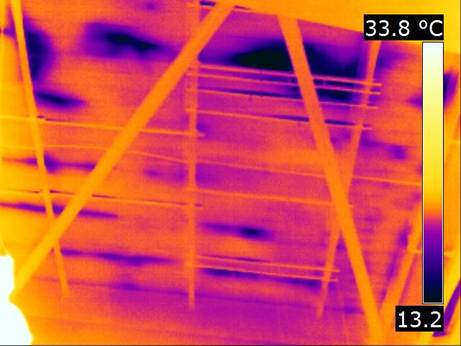
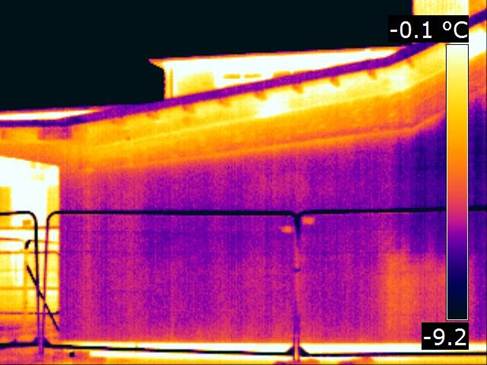
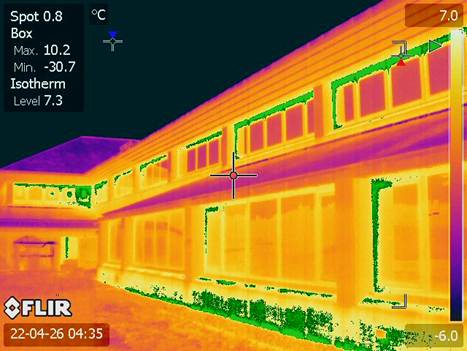
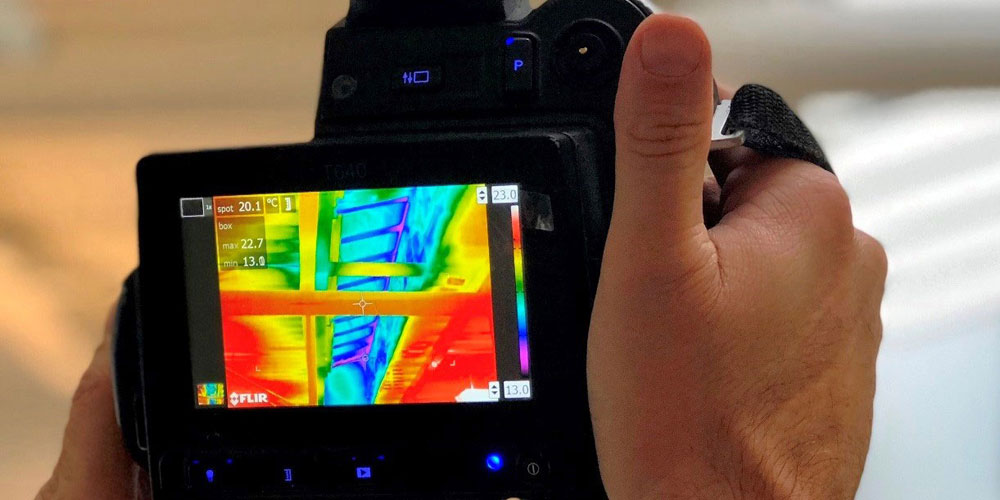
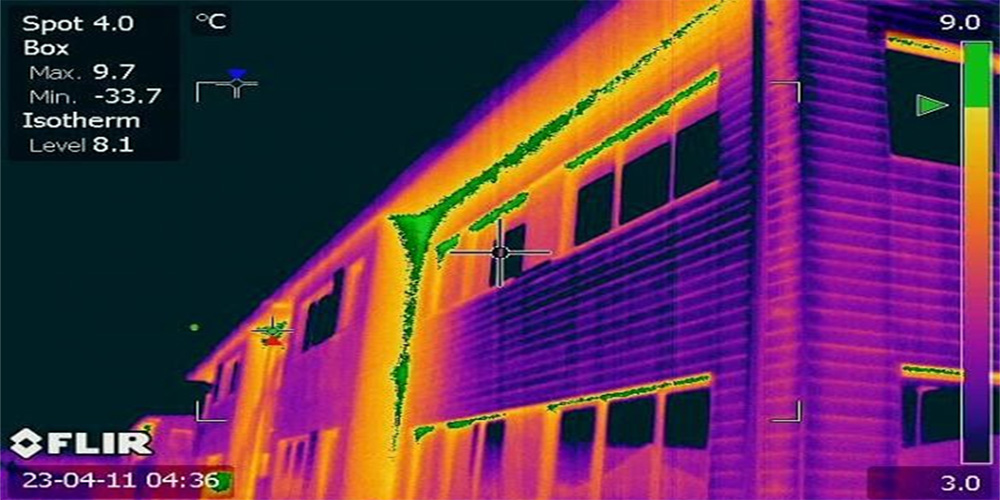
Thermal imaging surveys use advanced infrared cameras to detect temperature differences in building materials and systems. These subtle variations can reveal problems that the naked eye would miss, helping surveyors provide buyers with a far more accurate picture of a building’s condition.

Here are some of the key ways thermal imaging benefits commercial property buyers:

1. Spotting Hidden Building Issues

Thermal imaging highlights issues like electrical faults, water ingress, and defects in the building envelope, problems that standard inspections might overlook. Detecting these early allows buyers to make informed decisions and avoid costly surprises after purchase.

2. Improving Energy Efficiency

Heat loss through poor insulation or gaps in the building fabric is a common (and expensive) issue. Thermal imaging pinpoints these areas precisely, so targeted repairs can be made. This not only improves comfort but also reduces long-term energy bills—a major consideration for commercial buyers.

3. Enhancing Safety

Overheating electrical components and circuits can be a serious fire risk. Thermal inspections quickly identify these hazards, ensuring they can be repaired before occupation. The technology also reduces the need for intrusive checks in hard-to-reach areas, keeping surveyors safe during inspections.

4. Non-Invasive Inspections

Unlike methods that involve drilling or dismantling parts of the building, thermal imaging is completely non-destructive. Surveyors can carry out detailed checks quickly and efficiently, without damaging the property in any way.

5. Detecting Pests

Rodents and insects often go unnoticed until they’ve caused significant damage. With thermal imaging, surveyors can spot unusual heat signatures behind walls or ceilings that suggest pest activity, helping prevent future health and maintenance issues.

6. Negotiation Power

Knowledge is leverage. A comprehensive thermal imaging report gives buyers hard evidence of hidden defects, strengthening their position in negotiations. Whether requesting repairs or securing a price reduction, this insight can directly save money.


How Our Thermal Imaging Surveys Work

At APT Sound Testing, we use the latest high-specification thermal cameras to deliver detailed and accurate surveys. Here’s a look at how the process works:

  • Infrared Technology – Our cameras detect subtle temperature changes across surfaces, translating them into clear images that highlight areas of concern. We only use large-format, high-resolution FLIR thermal imaging cameras with wide-angle lenses for maximum coverage.
  • Comprehensive Scanning – Our Level 3 certified thermographers examine walls, roofs, floors, electrical systems, plumbing, and insulation. This thorough approach ensures that no hidden issues go unnoticed.

Common Issues We Identify

Thermal imaging can uncover hundreds of potential faults. Some of the most common include:

  • Water Leaks & Moisture – Detecting damp areas inside walls, ceilings, and floors before visible damage occurs.
  • Insulation Gaps – Pinpointing missing or failing insulation to improve energy performance.
  • Electrical Overheating – Identifying hot spots in wiring and equipment that could pose fire risks.
  • Structural Defects – Highlighting cracks, weak points, and other problems within the building envelope.

Each of these findings can directly impact negotiations, repair plans, and the long-term value of the property.


Why Choose APT Sound Testing?

When it comes to thermal imaging, expertise and equipment matter. At APT Sound Testing, we go above and beyond industry standards to deliver the most accurate results possible:

  • Level 3 Thermographic Certification – The highest accreditation available.
  • Level 3 Qualified Electrical Thermographers – Ensuring electrical inspections are carried out to the highest safety standards.
  • Large-Format FLIR Cameras – With 45° lenses for wide-area scanning.
  • Detailed Reporting – Every survey includes thermal indexing formulas for fault diagnosis, grading, and prioritisation.

Our surveys not only meet but exceed requirements such as BREEAM, giving clients full confidence in their investment.


Book Your Thermal Imaging Survey

If you’re considering a commercial property purchase, don’t leave hidden issues to chance. Our thermal imaging surveys provide peace of mind, negotiation leverage, and a detailed roadmap for future maintenance and improvements.

📞 Call APT Sound Testing today on 01525 303905 to book your survey or discuss your requirements with one of our experts.
Thermal Imaging & Commercial Properties

Thermal Imaging & Commercial Properties

Thermal Imaging Helps Inspect Commercial Properties

Thermal imaging has become an indispensable tool for surveyors assessing office blocks, retail units, and other commercial buildings. Whether you’re a buyer seeking reassurance or a surveyor conducting due diligence, infrared technology can reveal critical issues long before they become costly surprises.

Why Thermal Imaging Matters for Buyers and Surveyors

Uncover Hidden Defects
Infrared cameras expose problems invisible to the naked eye, such as electrical faults, water leaks, or weaknesses in the building envelope. Early detection means buyers get a clear picture of a property’s true condition before signing on the dotted line.

Boost Energy Efficiency
Heat loss through walls, roofs, or windows shows up instantly on a thermal scan. These insights let buyers plan targeted insulation upgrades and reduce future energy bills.

Enhance Safety
Overheating electrical components and other potential fire risks are easy to spot with thermal imaging. Identifying hazards before occupancy helps protect both people and property, while reducing the need for risky high-level or confined-space inspections.

Non-Invasive Inspection
Unlike traditional methods that involve drilling or removing panels, thermal imaging is entirely non-destructive. Surveyors can inspect large areas quickly without disturbing finishes or disrupting operations.

Spot Pest Activity
Rodents and insects give off heat. Thermal imaging can detect their presence behind walls or under floors, helping prevent damage and health concerns.

Strengthen Negotiation Power
A detailed thermal report provides evidence of defects, giving buyers leverage to request repairs or negotiate a better purchase price.

How a Thermal Imaging Survey Works

Our surveys use high-resolution infrared cameras to capture temperature variations across surfaces. These subtle differences appear as colour-coded images, pinpointing hidden problems.

During an inspection, we typically scan:

  • Walls, ceilings, and floors
  • Electrical systems and switchgear
  • Plumbing and pipework
  • Roofs and insulation layers

Common issues revealed include:

  • Water leaks and moisture in walls, ceilings, or floors
  • Insulation gaps that drive up heating or cooling costs
  • Electrical hotspots that pose fire risks or threaten uptime
  • Structural defects such as hidden cracks or voids

Why Choose APT Sound Testing

APT Sound Testing delivers thermal imaging surveys that exceed BREEAM requirements. Our credentials include:

  • Level 3 thermographic certification (the industry’s highest)
  • Level 3 qualified electrical thermographers
  • Large-format FLIR cameras with 45-degree lenses for wide, detailed scans
  • Comprehensive reports with thermal indexing formulas for fault diagnosis, qualification, and severity grading

Book Your Survey

Considering a commercial property purchase? Let us help you make an informed decision.
Call APT Sound Testing on 01525 303905 to schedule a thermal imaging survey or discuss your requirements.

Premium Thermal Imaging Surveys

Premium Thermal Imaging Surveys

Premium Thermal Imaging Surveys & APT Sound Testing

When building problems strike, whether it’s a hidden roof leak, failing insulation, or an unexpected electrical fault, you don’t have time to wait. You need immediate answers, and you need them to be accurate. That’s exactly what our Premium Thermal Imaging Service delivers.

Our Level 3 certified thermographers use industry-leading FLIR thermal imaging cameras to provide rapid, reliable diagnostics. Whether it’s an urgent fault or part of a preventative maintenance plan, our surveys give you the clarity you need to act with confidence.


What is a Thermographic Survey?

A thermographic survey (also known as thermal imaging) uses infrared technology to detect subtle temperature variations across building surfaces. This makes it possible to uncover hidden issues such as:

  • Heat loss from missing or damaged insulation
  • Moisture ingress and leaks
  • Electrical faults and overheating components
  • Structural defects invisible to the naked eye

The best part? This method is non-invasive and safe. There’s no need for disruptive inspections or risky work at height. It’s a smarter, faster way to protect your property.


Why Level 3 Thermographers Make the Difference

Not all thermal imaging providers are equal. Our team is comprised of Level 3 certified thermographers, the highest qualification in the field. This ensures:

  • Expert analysis of critical faults
  • Practical, actionable recommendations
  • Long-term trend analysis for recurring issues
  • Advanced insights across electrical, thermal, and structural systems

In other words, we don’t just deliver images — we provide solutions.


The FLIR Advantage: Industry-Leading Imaging Technology

We exclusively use FLIR thermal imaging cameras, trusted worldwide for their precision and reliability. These high-performance tools offer:

  • Ultra-high-resolution imaging to detect the smallest anomalies
  • Radiometric data capture for accurate temperature readings
  • Advanced features like image enhancement and wireless reporting

Every survey we conduct is backed by clear, detailed results you can rely on.


Key Benefits of Our Infrared Surveys

Rapid Problem Identification – Immediate diagnostics to support urgent decisions.
💷 Save on Repair Costs – Spot issues early to avoid expensive downtime and damage.
Improve Safety – Identify overheating electrical components before they fail.
🌱 Boost Energy Efficiency – Resolve insulation gaps and thermal bridging to cut utility bills.
📝 Professional Reports – Easy-to-understand documents with annotated images and recommendations, ideal for facilities management and insurance.


Why Choose APT Sound Testing?

Here’s what sets us apart from standard thermal imaging providers:

  • Expertise – All surveys are carried out by Level 3 thermographers.
  • Technology – Only the best-in-class FLIR cameras for maximum accuracy.
  • Responsiveness – Fast, last-minute service without cutting corners.
  • Customer Focus – We understand that emergencies can’t wait, so we deliver with speed and professionalism.

Book Your Thermal Imaging Survey Today

Don’t leave hidden faults to chance. Whether you’re dealing with an emergency or planning a preventative check, our Premium Thermal Imaging Service gives you the confidence and clarity you need.

📞 Call us on 01525 303905 / 07775 623464
📧 Email us at info@airpressuretesting.net

APT Sound Testing – safeguarding your building, one thermal image at a time.

Premium Thermal Imaging Surveys

Premium Thermal Imaging Surveys

Thermal Imaging Surveys: Accurate & Professional

When building issues strike without warning, like hidden roof leaks, insulation failures, or electrical faults, there’s no time to waste. You need immediate answers, and you need them to be accurate. That’s exactly what our Premium Last-Minute Thermal Imaging Service delivers.

Whether you’re dealing with urgent faults or just want to stay one step ahead with preventative maintenance, our high-precision infrared surveys are conducted by Level 3 thermographers using cutting-edge FLIR thermal imaging cameras. This elite combination guarantees fast, expert diagnostics with unmatched reliability.


What is a Thermographic Survey?

A thermographic survey, also known as thermal imaging, uses infrared technology to detect temperature variations on a building’s surface. This allows our experts to identify hidden problems such as:

  • Heat loss due to missing or damaged insulation
  • Moisture ingress
  • Electrical faults
  • Structural issues invisible to the naked eye

This method is not only cost-effective but also non-invasive, meaning there’s no need for risky work at height or intrusive inspections. It’s a safer, faster, and smarter way to protect your building.


Why Level 3 Thermographers Matter

Our thermal imaging team is comprised of Level 3 certified thermographers, the highest qualification in the field. This certification reflects advanced training in thermography, complex diagnostics, and in-depth data interpretation.

These professionals don’t just take pictures, they solve problems. They can:

  • Provide expert analysis of critical faults
  • Offer clear, actionable remediation guidance
  • Conduct long-term trend analysis for recurring issues
  • Deliver high-level insights across electrical, structural, and thermal systems

In short, you’re not just getting a survey, you’re getting a strategic asset in your building maintenance toolkit.


The FLIR Advantage: Top-Tier Thermal Imaging Technology

We exclusively use FLIR thermal imaging cameras, widely recognized as the gold standard in infrared technology. These state-of-the-art devices offer:

  • High-resolution imaging to detect even the smallest temperature differences
  • Radiometric data capture for precise measurement
  • Advanced features like image enhancement and wireless reporting

This ensures every thermal image we take provides maximum clarity and actionable insights—no guesswork, just facts.


The Benefits of Last-Minute Infrared Surveys

✅ Rapid Problem Identification

In an emergency, speed is everything. Our last-minute service delivers fast diagnostics so you can take immediate corrective action.

💷 Save on Repair Costs

By spotting issues early, we help prevent costly repairs and avoid downtime, saving you money in the long run.

⚡ Improve Safety

Thermal imaging reveals dangerous faults like overheating electrical components, helping you mitigate risks before they become hazards.

🌱 Boost Energy Efficiency

Detect and resolve insulation gaps or thermal bridging to improve your building’s energy performance and lower utility costs.

📝 Professional Reports

All surveys include a detailed, easy-to-understand report with annotated thermal images and clear recommendations, ideal for facilities management and insurance documentation.


Why Choose Us?

Not all thermal imaging providers offer the same level of service. Here’s what sets the APT Sound Testing premium offering apart:

  • Expertise – All surveys are carried out by seasoned Level 3 thermographers.
  • Technology – We use only the best-in-class FLIR cameras for optimal results.
  • Responsiveness – We specialise in urgent, last-minute surveys without compromising on quality.
  • Customer-Focused – We understand that emergencies can’t wait, so we move quickly and professionally to support your needs.

Book Your Last-Minute Thermal Imaging Survey Today

Whether you’re facing an unexpected issue or need a comprehensive building check-up, our Premium Last-Minute Thermal Imaging Service gives you the confidence and clarity to take action.

📞 Call APT Sound Testing on 01525 303905 / 07775 623464
📧 Email us at info@airpressuretesting.net

Let us help you safeguard your building, one thermal image at a time.

Conducting a Thermal Imaging Survey

Conducting a Thermal Imaging Survey

Thermal Imaging Surveys & Electrical Systems

Thermal imaging inspections are one of the most effective, non-intrusive ways to assess the health of electrical systems. Whether you’re managing a commercial property, industrial facility, or large-scale infrastructure, thermal imaging offers critical insights that can help reduce risk, increase efficiency, and lower costs.

While there are countless benefits to infrared thermographic surveys, here are the some of the major reasons why every business should consider regular inspections of their electrical systems:

1. Enhance Safety and Reduce Fire Risk

Overheated electrical components, loose connections, and failing systems are serious hazards that can lead to equipment failure, or worse, fires that endanger lives. Thermal imaging detects these issues early, helping you take action before a problem escalates.

2. Enable Preventive Maintenance

Thermal surveys allow you to spot problems before they cause downtime. By identifying potential faults early, you can replace or repair components proactively, saving time, money, and stress.

3. Improve Energy Efficiency

A single fault in your electrical system can cause a significant spike in energy use. Infrared inspections help you find and fix hidden inefficiencies, ultimately reducing energy consumption and operational costs.

4. Reduce Costs with Predictive Insights

Infrared surveys typically uncover five to eight electrical faults per inspection. These surveys are quick, cost-effective, and help you avoid expensive emergency repairs by identifying minor issues before they become major failures.

5. Stay Compliant with Fire Safety Regulations

Standards such as NFPA 70B recommend annual infrared inspections for electrical systems. Compliance not only improves safety but also protects your business from unplanned outages, equipment damage, and potential insurance claims.

6. Lower Insurance Premiums

Some insurers may offer reduced premiums for businesses that implement regular thermographic surveys as part of a documented preventive maintenance plan. It’s a small investment that could yield long-term financial benefits.

7. Safe, Non-Intrusive Testing

Thermal imaging is a non-contact, non-disruptive testing method. Inspections are conducted with your systems live and running, meaning no downtime or interruption to operations.

8. Targeted Maintenance Planning

By identifying exactly which components need attention—and the severity of any issues—you can plan maintenance more effectively, aligning it with operational schedules and reducing unnecessary repairs.

9. Extend Equipment Lifespan

Thermographic surveys provide valuable insights into the operating condition of your equipment. This helps prolong the life of critical assets by preventing premature failure and enabling smarter energy management.

10. Minimise Downtime and Breakdown Costs

Electrical failures can lead to production halts, expensive repairs, injury claims, or even litigation. Proactive infrared inspections drastically reduce these risks by catching faults before they lead to serious consequences.


How Often Should You Conduct an Infrared Electrical Inspection?

For most facilities, we recommend scheduling an infrared electrical inspection every 6 to 12 months as part of a robust preventive maintenance plan. However, for environments with high-demand equipment, such as manufacturing plants or data centres, annual inspections are the minimum. Factors like equipment age, environmental conditions, and fault history may also influence inspection frequency.


Professional Thermal Imaging Services in London

At APT Sound Testing, we specialise in delivering high-quality thermal imaging surveys for electrical systems across London and the UK. Our team of Level 3 certified thermographers use industry-leading FLIR P6n-Series (640×480 resolution) thermal imaging cameras to deliver pinpoint accuracy and professional insights.

Our Service Includes:

  • An ITC-trained thermographer and Level 3 reporting assessment
  • External inspection of:
    • Distribution boards
    • Fuse boards
    • Switchgear and switchboards
    • Control panels
    • Busbar systems
    • Transformers
  • Identification of issues such as:
    • Loose connections
    • Overloaded/fatigued components
    • Uneven voltage distribution
    • Cooling blockages in transformers
  • A comprehensive report highlighting all areas of concern

Need expert thermal imaging for your electrical systems?
📧 Email us at: info@aptsoundtesting.co.uk
📞 Call APT Sound Testing on: 01525 303905 or 07775 623464

Let’s help you improve safety, reduce risk, and save money, one thermal image at a time.

# About the Author

Darren Helliwell is a building performance specialist with over 25 years of hands-on experience leveraging thermal imaging, blower door testing, and smoke analysis to optimise air tightness in both new-build and refurbishment projects such as Battersea Power Station, Imperial War Museum and Harrods.

Using advanced infrared thermal imaging cameras alongside state-of-the-art blower door and smoke-testing equipment, Darren’s team delivers detailed thermographic surveys across residential and commercial buildings. These thermal imaging surveys pinpoint invisible air leaks, identify insulation defects, and reveal thermal bridging—empowering architects, contractors, and property owners to make targeted, energy-saving improvements.

Darren’s ongoing mission is to help design teams and contractors harness the power of thermal imaging to achieve truly airtight, energy-efficient building envelopes. By reducing heat loss and driving down energy bills, his thermography expertise supports sustainable, cost-effective construction and refurbishment outcomes.

Connect with Darren Helliwell: 

[Thermal Imaging Surveys] Thermal Imaging Surveys | APT Building Thermography Reports 

[APT Email] info@aptsoundtesting.co.uk  

[LinkedIn] https://www.linkedin.com/in/darren-helliwell-78789b26

Energy Efficiency & Thermal Imaging

Energy Efficiency & Thermal Imaging

Maximizing Energy Efficiency Through Thermal Imaging Inspections

As energy efficiency becomes a top priority for both households and businesses, effectively managing heating and cooling costs is more important than ever. One of the most powerful tools available today is thermal imaging inspections, a technology that visually identifies areas of energy loss, allowing property owners to take targeted action. This article explores the role of thermal imaging in reducing energy bills and improving comfort, while outlining how to make the most of this innovative solution.


Why Energy Efficiency Matters

Improving energy efficiency reduces utility bills and minimizes the environmental impact of energy consumption. When heating and cooling systems run more efficiently, less energy is wasted, cutting down on greenhouse gas emissions and lowering operating costs. As energy prices rise, the financial benefits of energy-efficient upgrades become increasingly compelling.

Efficient buildings are also more comfortable. Proper insulation and optimized HVAC systems help maintain stable indoor temperatures, enhancing the quality of life for occupants. For property owners and facility managers, energy efficiency supports better budgeting, increased asset value, and more sustainable operations.


What is Thermal Imaging?

Thermal imaging is a non-invasive diagnostic method that uses infrared cameras to detect temperature differences on surfaces. These cameras generate thermographic images — thermograms — that reveal heat patterns, allowing inspectors to identify areas where heat is escaping or infiltrating a building.

Used widely in industries such as building diagnostics and preventive maintenance, thermal imaging is especially valuable for evaluating energy efficiency and the integrity of a building’s envelope.


How Thermal Imaging Works

All objects emit infrared radiation relative to their temperature. Thermal cameras detect this radiation and translate it into color-coded images: red and yellow indicate heat, while blue and green signify cooler areas. These visuals help inspectors locate anomalies such as heat loss, insulation gaps, or moisture intrusion.

To ensure accuracy, environmental factors like wind, humidity, and temperature must be accounted for during inspection. Proper calibration and an understanding of building materials are essential for meaningful results.


The Building Envelope: A Key Component

The building envelope consists of the walls, roof, windows, doors, and foundation that separate indoor and outdoor environments. Its design directly affects a structure’s thermal performance, air tightness, and moisture control.

Common issues in building envelopes include:

  • Air leaks around windows and doors
  • Insufficient insulation in walls or attics
  • Thermal bridging, where heat bypasses insulation through conductive materials
  • Moisture intrusion, leading to mold or damage

Thermal imaging can quickly pinpoint these problems, guiding timely and effective remediation.


Benefits of Thermal Imaging Inspections

1. Detecting Heat Loss and Air Leaks
Thermal imaging highlights inefficient areas such as drafts or cold spots, enabling targeted improvements. Sealing leaks not only saves energy but also improves indoor air quality by limiting the infiltration of allergens and pollutants.

2. Improving Energy Efficiency
By identifying weak points in insulation or HVAC performance, thermal inspections allow property owners to prioritise upgrades. These changes can enhance comfort, reduce consumption, and even boost property value.

3. Cost Savings and Return on Investment
Addressing energy inefficiencies results in immediate and long-term financial benefits. Many improvements qualify for rebates or tax incentives, making upgrades more affordable. The savings from improved performance often exceed the cost of inspection and repairs.


Conducting a Thermal Imaging Inspection

Professional vs. DIY
While DIY thermal cameras are available, they often lack the resolution and accuracy of professional equipment. Certified inspectors are trained to analyse thermograms correctly and understand how different building materials affect heat flow. Hiring a professional typically delivers more reliable results and better long-term value.

What to Expect
A typical inspection includes a full scan of the building envelope, walls, roof, windows, ceilings, using a high-resolution thermal camera. Inspections usually take 1 to 3 hours, depending on property size and complexity. You’ll receive a comprehensive report outlining findings, recommended actions, and estimated savings.


Case Studies

Residential Example
A homeowner experiencing high winter energy bills scheduled a thermal inspection. The thermogram revealed air leaks around windows and poor attic insulation. After sealing gaps and upgrading insulation, the homeowner saw a 25% reduction in heating costs the next season.

Commercial Example
A medium-sized office building underwent a thermal inspection as part of an energy audit. The inspection exposed thermal bridging and inadequate insulation. After upgrading the building envelope and windows, energy costs dropped by 20%, significantly lowering operational expenses.


Conclusion: Why Thermal Imaging is Worthwhile

Thermal imaging inspections are a smart, proactive way to enhance energy efficiency. They uncover hidden inefficiencies, help reduce utility bills, and improve occupant comfort. Whether you own a home or manage a commercial property, this technology provides valuable insights that drive sustainable upgrades and cost savings.


Thinking of Booking a Thermal Imaging Inspection?

With energy costs on the rise, now is the time to act. APT Sound Testing offers professional thermal imaging inspections using the highest-grade cameras, operated by ITC Level 3-certified engineers. We specialise in accurate diagnostics and actionable insights.

📞 Call us today on 07775 623464 or 01525 303905
📧 Or email info@aptsoundtesting.co.uk


FAQs

How much does a thermal imaging inspection cost?
Residential inspections range from £300–£700, while commercial inspections may cost £700–£2,000+, depending on the size and complexity of the building.

How long does it take?
Most inspections take 1–3 hours, but larger buildings may require more time.

Can I do it myself?
While possible, DIY inspections often lack precision. Certified professionals offer more accurate diagnostics and insights that DIY users may miss.

How often should inspections be done?
Every few years, or after major renovations. Regular inspections can also track energy performance over time, particularly for commercial buildings or facilities with complex HVAC systems.

What improvements might be needed after inspection?
Common upgrades include sealing air leaks, adding insulation, replacing inefficient windows, and enhancing HVAC performance, all of which contribute to energy savings and comfort.

Thermal Imaging for Buildings

Thermal Imaging for Buildings

Top 10 Benefits of Thermal Imaging for Buildings

Thermal imaging for buildings is transforming how we approach property maintenance, energy efficiency, and safety. Using highly trained Level 3 thermographers, using the latest thermal imaging cameras provide a non-invasive, real-time way to inspect a building’s envelope and systems. With applications ranging from building energy saving to monitoring damp and water ingress, and even checking electrical installations, such as distribution boards and battery UPS systems, thermal imaging has quickly become an essential tool for BREEAM projects, facility managers and building inspections.

In this article, we’ll explore the top 10 benefits of using thermal imaging for buildings, highlighting how this thermal camera technology can optimise building performance, cut costs, and improve safety in the workplace.

Thermal Imaging

1. Enhanced Energy Efficiency and Savings

One of the most compelling benefits of thermal imaging for buildings is its ability to identify energy loss. Infrared cameras can visualize heat escaping through poorly insulated walls, roofs, windows, and doors. By pinpointing these weaknesses, building owners can direct their investments towards addressing areas that lead to significant heat loss. With a well-insulated building, you not only save on your energy bills but also contribute to reducing your overall carbon footprint. Targeted repairs and upgrades ensure that heating and cooling systems operate at optimal efficiency, leading to impressive energy savings over time. This all helps to improve building energy saving, thermal imaging energy efficiency and highlight energy loss detection.

2. Early Detection of Dampness and Water Ingress

Damp and water ingress are major concerns in buildings, often leading to structural damage, mold growth, and compromised indoor air quality. Thermal imaging’s ability to detect temperature anomalies makes it a powerful tool for identifying moisture hidden behind walls and beneath floors. By spotting these issues early, property managers can avoid costly repairs and extensive damage down the line. Regular thermal scans provide insights into hidden water leaks, ensuring that any moisture accumulation is promptly addressed, preserving the integrity and health of the building throughout the building lifecycle. Annual thermal Imaging surveys help to check for damp and water ingress, moisture detection to help minimise risk to your building. 

3. Proactive Electrical Installations Monitoring

Annual thermal imaging surveys of electrical installations are another critical area where thermal imaging shines. Overheating circuits, energy losses, and hotspots can indicate potential electrical faults that might lead to fires or equipment failures. Regular thermal imaging inspections help facility managers detect these issues before they escalate. By monitoring electrical panels, wiring, and outlets, thermal imaging ensures that all components are functioning within safe temperature ranges, thereby preventing outages and enhancing overall building safety. In a nutshell, thermal imaging can lower risk by checking electrical installations for overheating circuits.

4. Battery UPS Installations Inspections

Battery UPS (Uninterruptible Power Supply) systems are vital for ensuring continuous power during outages and for safeguarding sensitive equipment. However, these systems can develop faults, such as failing batteries or poor thermal management, that compromise their performance. Thermal imaging can detect abnormal heat patterns in battery UPS installations, flagging potential problems before they cause system failure. Regular inspections help maintain system reliability, ensuring a steady power supply to critical systems and reducing the risk of fires etc. and costly downtime. We usually recommend a survey every 6 months for UPS battery installations.

5. Improved Preventative Maintenance Programs

Integrating thermal imaging into routine building inspections elevates the efficiency of preventative maintenance programs. By identifying issues early, such as insulation failures, moisture accumulation, or electrical hotspots, repair work can be scheduled proactively rather than reactively. This foresight not only prevents major breakdowns and emergencies but also extends the lifespan of building components and your critical infrastructure. The technology serves as a predictive maintenance tool, significantly reducing long-term maintenance costs.

6. Enhanced Occupant Comfort and Safety

A well-maintained building is not only efficient but also a safer and more comfortable environment. Thermal imaging helps ensure indoor environmental quality by detecting areas that are too cold or too hot due to insulation or HVAC issues. Thermal imaging surveys can also pick-up on-air leakage paths, that can cause excess draughts, so they can be quickly sealed by the FM team. All of this means improved comfort for employees and residents.  Regular thermal imaging inspections can contribute to better indoor air quality and occupant well-being improving indoor environmental quality.

7. Cost-Effective Long-Term Savings

Although investing in thermal imaging technology may seem expensive upfront, the long-term savings are substantial. By avoiding costly repairs due to early detection of issues, reducing energy waste e.g. by identifying and sealing air leakage paths can reduce the buildings energy consumption by up to 20%, which can be a massive energy saving for large buildings. It can also extend the lifespan of building systems.  All of this shows that thermal imaging can provide a high return on investment. Whether it’s retrofitting old buildings or maintaining modern facilities, the cost benefits are hard to ignore. Ultimately, the efficiency and preventative measures afforded by this technology result in significant financial savings over the building’s lifetime.

8. Comprehensive Building Inspections and Better Documentation

Traditional building inspections often overlook hidden issues. Thermal imaging provides a detailed and comprehensive view of a building’s structural and system health. The visual data generated by thermal cameras is easily documented and can be archived for future reference. Our trend analysis software makes it easier to spot trends or potential issues before they escalate into costly problems. This documentation is invaluable for compliance purposes, insurance claims, and tracking the progress of maintenance work. Detailed thermal imaging reports enhance transparency, making it easier to communicate findings with stakeholders and ensuring that remedial actions are based on concrete evidence, allowing for targeted remedial works.

9. Sustainable Building Management

The integration of thermal imaging into building management strategies supports broader sustainability goals. By ensuring that buildings operate efficiently, with minimal energy waste, thermal imaging aligns with environmental sustainability initiatives. Responsible energy management reduces the carbon footprint of buildings, helping them meet green building standards and certifications. This not only benefits the environment but also improves the marketability of the property by helping to provide a lower EPC rating, appealing to environmentally conscious buyers and tenants.

10. Rapid Non-Invasive Assessments

One of the standout benefits of thermal imaging for buildings is its non-invasive nature. Unlike other methods that may require large amounts of access scaffold and/or mechanical access, such as scissor lifts etc. it reduces time and potential health and safety issues from working at height. It can also reduce the need for physical alterations, or prolonged downtime as thermal imaging can be performed while the building is in operation. This rapid assessment translates into minimal disruption for occupants, reduced costs and quick turnaround times for maintenance teams. Fast, reliable diagnostics combined with easy deployment make it an attractive solution for both small residential properties and large commercial buildings. In summary, we can undertake a building survey within a few hours, which may take a surveying team days or even weeks due t increased access issues.

Conclusion

Thermal imaging for buildings is revolutionizing maintenance and energy management practices. From building energy saving and monitoring damp and water ingress to checking electrical installations and battery UPS installations, this innovative technology offers an expansive array of benefits. It not only enhances energy efficiency and occupant comfort but also reduces long-term costs and supports sustainable building management. As building owners and facility managers increasingly seek modern solutions to complex maintenance challenges, thermal imaging stands out as a powerful, cost-effective tool that ensures safety, efficiency, and longevity.

Embracing thermal imaging can set a strong foundation for proactive building management. With its ability to uncover hidden issues and provide reliable data, it is a must-have tool in the modern era of building maintenance and sustainability. As you plan your next property inspection or energy efficiency audit, consider the transformative impact of thermal imaging and how it can drive improvements across your entire facility.

Contact us for your thermal imaging survey

All our premium thermal imaging inspections include the following: 

  • Level 3 thermographic certification
  • Level 3 qualified electrical thermographers
  • Large format FLIR cameras with 45-degree lenses
  • A detailed and comprehensive thermal imaging survey using our trend analysis software

If you would like more information on our thermal imaging services, please contact APT Sound Testing on 07775 623464, or email us at info@aptsoundtesting.co.uk. We just require your company name, address and phone number, as well as a set of floor plans and elevation drawings, and we will forward a quote and informative checklist to help you prepare for the thermal imaging survey.

Thermal Imaging for Buildings

Thermal Imaging for Buildings

Thermal Imaging for Buildings: Improving Energy Efficiency and Safety

Thermal imaging technology is transforming the building industry by offering powerful insights into energy efficiency, safety, and maintenance. This technology uses infrared cameras to detect temperature variations within buildings, revealing hidden issues such as insulation deficiencies, moisture problems, and electrical faults. In this comprehensive guide, we will explore the benefits, applications, and advancements in thermal imaging surveys for buildings, and how it can significantly enhance building performance and safety.

What is Thermal Imaging?

Thermal imaging, also known as thermography, is a technique that captures infrared radiation emitted by objects. Unlike visible light, infrared radiation is invisible to the human eye but can be detected by thermal cameras. These cameras convert infrared radiation into an image that displays temperature variations, with different colors representing different temperatures. This allows for the identification of thermal anomalies that could indicate potential problems within a building.

The Importance of Thermal Imaging surveys for Buildings

1. Improve Energy Efficiency

One of the primary applications of thermal imaging in buildings is to improve energy efficiency. By identifying areas of heat loss, such as poor insulation or air leaks, building owners can take corrective actions to reduce energy consumption and lower utility bills. Proper insulation and sealing of air leaks can also improve indoor comfort and reduce the building’s carbon footprint.

2. Improve Preventive Maintenance

Thermal imaging is an invaluable tool for preventive maintenance. Regular thermal inspections can detect potential issues before they become serious problems. For example, thermal cameras can identify overheating electrical components, which could indicate a risk of fire. Early detection allows for timely repairs, preventing costly damage and ensuring the safety of building occupants.

3. Identify Moisture Detection

Moisture intrusion can cause significant damage to a building’s structure and lead to mold growth, which poses health risks to occupants. Thermal imaging can identify areas of moisture buildup that are not visible to the naked eye. By pinpointing these areas, building owners can address the source of moisture and prevent further damage.

4. Enhanced Building Assessments

Thermal imaging provides valuable data for building assessments, including pre-purchase inspections, energy audits, and facility management. It offers a non-invasive and efficient method to evaluate the condition of a building’s structure and systems. This information can be used to make informed decisions about repairs, upgrades, and maintenance.

Applications of Thermal Imaging for Different Buildings

Residential Buildings

In residential buildings, thermal imaging is used to identify insulation deficiencies, air leaks, and moisture problems. Homeowners can use thermal images to prioritise home improvement projects, ensuring that their homes are energy-efficient and safe. Thermal inspections can also be part of regular home maintenance, providing peace of mind and protecting the value of the property.

Commercial Buildings

Thermal imaging plays a crucial role in maintaining the performance and safety of commercial buildings. It is used to inspect HVAC systems, electrical panels, and roofing systems. By identifying potential issues early, building managers can schedule maintenance and repairs to minimise disruptions and extend the lifespan of building systems.

Industrial Facilities

In industrial facilities, thermal imaging is used to monitor critical equipment and machinery. It helps in detecting overheating components, insulation failures, and other issues that could lead to equipment failure or downtime. Thermal inspections contribute to the overall efficiency and safety of industrial operations.

Advancements in Thermal Imaging Technology

Thermal imaging technology has advanced significantly in recent years, making it more accessible and effective for building applications. Some of the key advancements include:

High-Resolution Thermal Cameras

Modern thermal cameras offer high-resolution imaging, providing detailed and accurate temperature data. This allows for precise identification of thermal anomalies and improves the overall quality of thermal inspections.

Integration with Drones

The integration of thermal cameras with drones has revolutionised the way thermal inspections are conducted. Drones equipped with thermal cameras can quickly and safely inspect large areas, such as building exteriors and roofs, without the need for scaffolding or ladders. This increases the efficiency and safety of thermal inspections.

AI and Machine Learning

Artificial intelligence (AI) and machine learning are being integrated into thermal imaging systems to enhance data analysis. These technologies can automatically identify patterns and anomalies in thermal images, providing faster and more accurate diagnostics. AI-powered thermal imaging systems can also predict potential issues based on historical data, enabling proactive maintenance.

How to Implement your Thermal Imaging for your Building Inspection

Implementing a robust thermal imaging inspection for you building, involves several steps:

1. Selection a company with the correct Training and Certification

Selecting a company that has the proper training is essential for effective thermal imaging survey. Certification demonstrates the company’s expertise and will ensure the reportage is of the highest quality.

2. Good quality Thermal Cameras are essential

Check that your nominated company, uses the highest quality thermal camera that meets your needs based on resolution, sensitivity, and other features. Consider factors such as the size of the building, the type of inspections you will conduct. A minimum specification should be a 640 x 480 resolution.

2. Training and Certification

Choosing a thermal imaging company with proper training is essential for effective thermal imaging. Our engineers are trained to Level 3 which is the highest in the industry. Level 3 certification demonstrates the company’s expertise and knowledge in the thermal imaging field.

3. Conducting Comprehensive Inspections

We plan our thermal imaging inspections to cover all critical areas of the building. We capture thermal images of insulation, windows, doors, electrical panels, HVAC systems, and other components. We carefully document our findings and compare thermal images over time to track changes and identify emerging issues via our trend analysis software.

4. Analysing and Reporting

We carefully analyse the thermal images to identify anomalies and determine their cause. We create detailed reports that include thermal images, descriptions of the issues, and recommendations for corrective actions. We then use the reports to communicate our findings to building owners and stakeholders.

Conclusion

Thermal imaging is a powerful tool that offers numerous benefits for building inspections, including improved energy efficiency, preventive maintenance, and moisture detection; however, it’s always best to have it undertaken by an experienced company using the correct equipment. By implementing thermal imaging in building inspections, building owners and managers can ensure the safety, performance, and longevity of their properties.

Contact us now

For more information our thermal imaging services, please contact APT Sound Testing on 07775 623464 or email us at info@aptsoundtesting.co.uk

# About the Author

Darren Helliwell is a building performance specialist with over 25 years of hands-on experience leveraging thermal imaging, blower door testing, and smoke analysis to optimise air tightness in both new-build and refurbishment projects such as Battersea Power Station, Imperial War Museum and Harrods.

Using advanced infrared thermal imaging cameras alongside state-of-the-art blower door and smoke-testing equipment, Darren’s team delivers detailed thermographic surveys across residential and commercial buildings. These thermal imaging surveys pinpoint invisible air leaks, identify insulation defects, and reveal thermal bridging—empowering architects, contractors, and property owners to make targeted, energy-saving improvements.

Darren’s ongoing mission is to help design teams and contractors harness the power of thermal imaging to achieve truly airtight, energy-efficient building envelopes. By reducing heat loss and driving down energy bills, his thermography expertise supports sustainable, cost-effective construction and refurbishment outcomes.

Connect with Darren Helliwell: 

[Thermal Imaging Surveys] Thermal Imaging Surveys | APT Building Thermography Reports 

[APT Email] info@aptsoundtesting.co.uk  

[LinkedIn] https://www.linkedin.com/in/darren-helliwell-78789b26

Electrical Thermal Imaging

Electrical Thermal Imaging

Thermal Imaging: BREEAM Compliance, Inspections & FLIR Certification

In the world of smart building management and sustainable construction, electrical thermal imaging has become a vital tool for maintaining the health and efficiency of modern infrastructure. By using infrared technology to visualise heat patterns within electrical systems, this approach allows technicians to detect potential issues early, before they become costly or dangerous.

Beyond its value in maintenance and safety, thermal imaging also plays a key role in helping buildings meet the rigorous standards of BREEAM — the Building Research Establishment Environmental Assessment Method. This widely recognized sustainability certification evaluates the environmental performance of buildings, with energy efficiency and safety being central pillars. In this guide, we’ll explore how thermal imaging supports BREEAM compliance, how inspections are conducted, and why FLIR camera certification is crucial for reliable results.


What is Electrical Thermal Imaging?

Electrical thermal imaging is the process of using infrared cameras to detect and visualize heat emitted from electrical components. Every electrical system generates some level of heat during normal operation. However, excess heat, or hot spots, often indicates problems such as:

  • Overloaded circuits
  • Loose or corroded connections
  • Worn-out insulation
  • Failing components

Thermal imaging cameras convert these invisible heat signatures into visible images called thermograms. These images display temperature variations using color gradients, allowing technicians to pinpoint abnormal conditions that could lead to equipment failure, fire hazards, or energy waste.


Why Thermal Imaging Matters for BREEAM Compliance

For architects, engineers, and building managers pursuing BREEAM certification, thermal imaging is more than a diagnostic tool — it’s a strategic asset. BREEAM emphasizes energy efficiency, sustainability, and long-term performance. Thermal imaging contributes in the following ways:

  • Detecting energy inefficiencies such as heat loss, poor insulation, or air leakage
  • Identifying underperforming electrical systems, enabling proactive repairs and upgrades
  • Ensuring occupant safety by spotting potential fire risks in electrical infrastructure

By addressing these issues through regular thermal inspections, buildings can align more closely with BREEAM’s benchmarks, improving their chances of earning credits and enhancing overall environmental performance.


Conducting Thermal Imaging Inspections: Step-by-Step

Carrying out an effective electrical thermal inspection involves more than pointing a camera and snapping images. It requires planning, precision, and expertise. Here’s a breakdown of the inspection process:

1. Preparation

Before any inspection begins, a clear scope must be defined. This includes identifying which systems and components will be assessed and ensuring they are operating under normal load conditions. This is critical because electrical systems need to be energized and under load to produce useful thermal patterns.

Additionally, safety measures must be in place. Inspectors should wear the appropriate personal protective equipment (PPE) and follow relevant health and safety protocols, especially when working in live environments.

2. Data Collection

Once on-site, technicians use thermal imaging cameras to scan electrical panels, distribution boards, circuit breakers, transformers, and other components. Images are taken from multiple angles and distances to ensure thorough coverage.

The camera settings, including emissivity, reflected temperature, and focus, must be properly adjusted for accurate results. Inconsistent settings can distort readings and lead to incorrect conclusions.

3. Image Analysis and Interpretation

Interpreting thermograms is where skill and experience come into play. Normal temperature variations are expected, but sudden spikes or irregular patterns may signal issues. Key signs to look for include:

  • Localized hot spots
  • Unusual temperature gradients
  • Components significantly hotter than their peers

Each observation must be logged and analyzed in context. For example, a hot breaker might indicate overload, but it could also be the result of ambient temperature or reflective surfaces. Technicians must rule out false positives and identify the root cause.

4. Reporting and Action

A good thermal inspection doesn’t stop with image capture. Inspectors generate a comprehensive report that includes:

  • Annotated thermographic images
  • Temperature readings
  • Identified faults and severity levels
  • Recommended corrective actions

When performed in line with BREEAM requirements, these reports also highlight how the inspection supports building sustainability goals, such as reducing energy loss or preventing future system failures.


FLIR Camera Certification: Why It Matters

FLIR Systems is one of the most trusted names in thermal imaging technology. Their cameras are widely used in industries ranging from building diagnostics to electrical engineering. However, simply owning a FLIR camera isn’t enough. Technicians must be properly trained and certified to get the most accurate results.

What is FLIR Certification?

FLIR camera certification is a formal recognition that a technician has completed specific training in the use of infrared cameras. It ensures they can:

  • Operate the camera correctly under various conditions
  • Adjust settings for different surfaces and materials
  • Accurately interpret thermal images
  • Identify real faults versus normal temperature variations

Certification Process

To achieve certification, technicians usually undergo training courses (Level 1, Level 2, etc.) that cover both theoretical and practical aspects of thermography. Topics include:

  • Principles of heat transfer and infrared science
  • Best practices for thermal image capture
  • Common faults in electrical systems
  • Reporting techniques and compliance requirements

After training, technicians must pass proficiency exams to demonstrate their skills. This process guarantees that inspections are carried out by professionals capable of delivering reliable, actionable data.


Practical Applications of Electrical Thermal Imaging

Thermal imaging has evolved beyond just electrical fault detection. Today, it’s used in a wide range of building and energy applications:

Building Diagnostics

Thermal imaging reveals more than electrical issues—it can detect:

  • Heat loss through windows and roofs
  • Moisture intrusion and leaks
  • HVAC inefficiencies

These insights help property managers schedule preventative maintenance and avoid costly repairs.

Energy Audits

Thermal scans are a vital part of energy assessments. By visualizing energy loss and inefficiencies, organizations can prioritize upgrades that reduce carbon footprints and utility costs, an important factor in BREEAM scoring.

Continuous Monitoring

In critical infrastructure and industrial settings, thermal cameras can be installed for ongoing system monitoring. This enables early detection of faults, enhances uptime, and supports predictive maintenance strategies.


Electrical Thermal Imaging

Electrical thermal imaging is a smart, non-invasive way to keep buildings safe, efficient, and sustainable. From identifying hidden electrical faults to supporting compliance with BREEAM standards, it plays a critical role in modern facilities management.

But the value of thermal imaging depends on the people and tools behind it. With FLIR-certified technicians and carefully planned inspections, organizations can confidently diagnose issues, optimize energy use, and uphold the highest standards of building performance.

Whether you’re managing a commercial property, planning a retrofit, or aiming for green building certification, thermal imaging should be an essential part of your strategy.

Thermal Imaging Cameras

Thermal Imaging Cameras

Quality Thermal Imaging Cameras & Building Surveys

When we undertake thermal imaging surveys, we only use the FLIR P6n thermal imaging cameras, as they are an excellent choice for BREEAM requirements, due to its high resolution, sensitivity, and advanced features. Here are some key specifications that make it suitable for our BREEAM thermal imaging surveys:

High Resolution

The FLIR P6n offers a high resolution of 640 × 480 pixels. This high resolution ensures detailed thermal images, allowing for accurate identification of temperature variations and potential issues in building structures. The higher the resolution the more detail we can provide to clients.

High Thermal Sensitivity (NETD)

The camera has a very thermal sensitivity (Noise Equivalent Temperature Difference, NETD) of less than 0.03°C. This high sensitivity allows the camera to detect even the smallest temperature differences, making it ideal for identifying insulation deficiencies, air leaks, and other subtle thermal anomalies that many other cameras simply miss.

Wide Temperature Range

The FLIR P6n can measure temperatures ranging from -40°C to 650°C. This wide temperature range makes it versatile for various applications, including detecting heat loss, moisture infiltration, and electrical malfunctions.

Wide Field of View (FOV)

The camera features a field of view (FOV) of 25° × 19°. This FOV is suitable for capturing comprehensive thermal images of building envelopes, ensuring thorough inspections during BREEAM thermal imaging surveys. This wide FOV captures more detail within a single image.

Additional Features

One of the most important features of the FLIR P6n is its MSX® image enhancement, which overlays thermal images with visual details for better clarity and context.

Another great feature is the built-in GPS for geotagging images, making it easier to document and reference specific locations during surveys.

These specifications make the FLIR P6n thermal imaging camera a powerful tool for conducting BREEAM thermal imaging surveys, ensuring accurate and reliable results that contribute to the overall sustainability and efficiency of buildings.

Saving money by investing in a thermal imaging survey

Investing in thermal imaging surveys ultimately translates into significant cost savings for businesses. By identifying potential failures before they occur, organisations can undertake preventative maintenance that is far less costly than emergency repairs. For example, the cost of replacing an overheated electrical component after a fire incident far exceeds the cost of conducting routine thermal imaging inspections to catch the issue early. Moreover, improved energy efficiency resulting from identifying HVAC and insulation issues can lead to substantial reductions in utility bills. For large buildings, these savings can accumulate to significant figures over time.

As such, thermal imaging surveys not only enhance safety but also provide a solid return on investment through preventative measures and efficiency improvements. That’s why Thermal Imaging has been embraced by BREEAM and Building Regulation Part L.

Our Premium Thermal Imaging Service for Buildings

  • Supply of an ITC trained Level 3 thermographer
  • We use large format FLIR P6n-Series (640×480 resolution) thermal imaging cameras.
  • Comprehensive report to include Introduction and fault cover pages, summary problem pages, elevation inventory,
  • Detailed fault documentation pages with possible root cause and remedial recommendation (isotherm included if using equations), baseline IR and DC image of every elevation (100% coverage-no isotherm)
  • Application of thermal indexing formulas
  • Eco Friendly Email Report
  • Reports provided within 24 hours – contract dependant

Please contact us for more information If you would like to contact us for more information on our thermal imaging services, please contact us on 07775 623464, or email us at info@aptsoundtesting.co.uk.   

We undertake sound testing on all types of residential buildings and commercial buildings. We also undertake sound testing on schools and buildings containing rooms for residential purposes.

Our team of experienced sound test engineers are dedicated to giving our customers the best quality of service and offer acoustic design advice where possible, to help our clients achieve the required acoustic results to pass the sound testing and attain building completion. We can also undertake ‘in house’ UKAS accredited air tightness testing in one seamless package, lowering costs and negating coordination issues.

# About the Author

Darren Helliwell is a building performance specialist with over 25 years of hands-on experience leveraging thermal imaging, blower door testing, and smoke analysis to optimise air tightness in both new-build and refurbishment projects such as Battersea Power Station, Imperial War Museum and Harrods.

Using advanced infrared thermal imaging cameras alongside state-of-the-art blower door and smoke-testing equipment, Darren’s team delivers detailed thermographic surveys across residential and commercial buildings. These thermal imaging surveys pinpoint invisible air leaks, identify insulation defects, and reveal thermal bridging—empowering architects, contractors, and property owners to make targeted, energy-saving improvements.

Darren’s ongoing mission is to help design teams and contractors harness the power of thermal imaging to achieve truly airtight, energy-efficient building envelopes. By reducing heat loss and driving down energy bills, his thermography expertise supports sustainable, cost-effective construction and refurbishment outcomes.

Connect with Darren Helliwell: 

[Thermal Imaging Surveys] Thermal Imaging Surveys | APT Building Thermography Reports 

[APT Email] info@aptsoundtesting.co.uk  

[LinkedIn] https://www.linkedin.com/in/darren-helliwell-78789b26