Category: Uncategorized

Thermal Imaging: Locating Building Defects

Thermal Imaging: Locating Building Defects

Thermal Imaging for Locating Building Defects in London

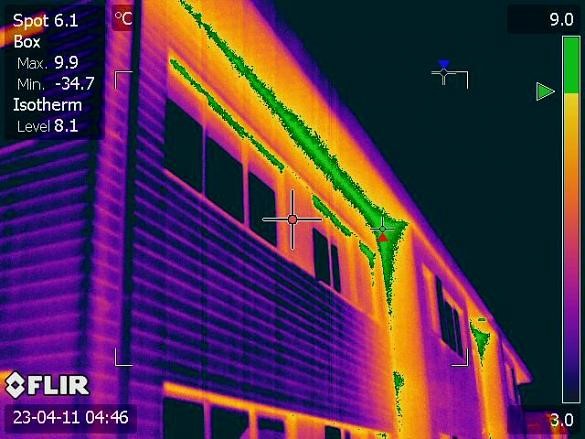
Thermal imaging surveys offer an innovative and highly efficient way to detect building defects without causing any damage to the structure. These surveys use infrared technology to provide a non-invasive means of inspecting all types of commercial buildings. The benefits of thermal imaging in building inspections are significant, particularly in restoration and remediation projects, where it aids in identifying issues swiftly and accurately. Moreover, this technique eliminates the need for destructive investigations, such as tearing down walls or ceilings, which can be costly and time-consuming.
Thermal Imaging

Thermal Imaging for Locating Building Defects
One of the most important advantages of thermal imaging is its ability to reduce health and safety risks. Traditional inspections often require access to high, hard-to-reach places, necessitating the use of scaffolding or access platforms. With thermal imaging, inspections can be conducted from the ground or other accessible points, eliminating the need for inspectors to work at heights. This reduces the risks of accidents and ensures that the inspection process is safer and more efficient.

The effectiveness of thermal imaging lies in the combination of advanced infrared cameras and the expertise of highly trained Level 3 engineers. These professionals are equipped with the knowledge and experience to interpret the thermal images correctly and document any issues they find. Additionally, after repairs or remediation work is completed, thermal imaging can be used again to verify that the work was carried out properly, ensuring that the building is in good condition.

Common Building Defects Identified Using Thermal Imaging

Thermal imaging can detect a wide range of building defects that might not be visible during a standard inspection. Here are some of the most common issues that can be uncovered:

Water Leaks in Roofs, Walls, and Floors

One of the most frequent problems discovered during thermal imaging surveys is moisture intrusion, particularly in roofing materials. When water penetrates a roof, it can significantly reduce the insulation properties of the roofing material. Infrared cameras can detect these moisture spots by identifying temperature differences, allowing engineers to pinpoint the exact areas where repairs are needed. In many cases, this can extend the life of a roof by addressing small issues before they become more serious, thus avoiding the costs of a full replacement.

Moisture infiltration is not limited to roofs; it can also affect walls and floors. Similar to roof inspections, thermal imaging can detect damp areas in these parts of the building. Dampness causes changes in temperature that are visible on infrared cameras because wet areas retain and release heat at a different rate than dry areas. The presence of moisture in walls or floors can lead to problems such as mold, mildew, and air quality issues. Over time, exposure to poor air quality can lead to health concerns for the occupants of the building, making early detection and remediation of moisture issues critical.

Air Leakage Around Windows, Doors, and Building Openings

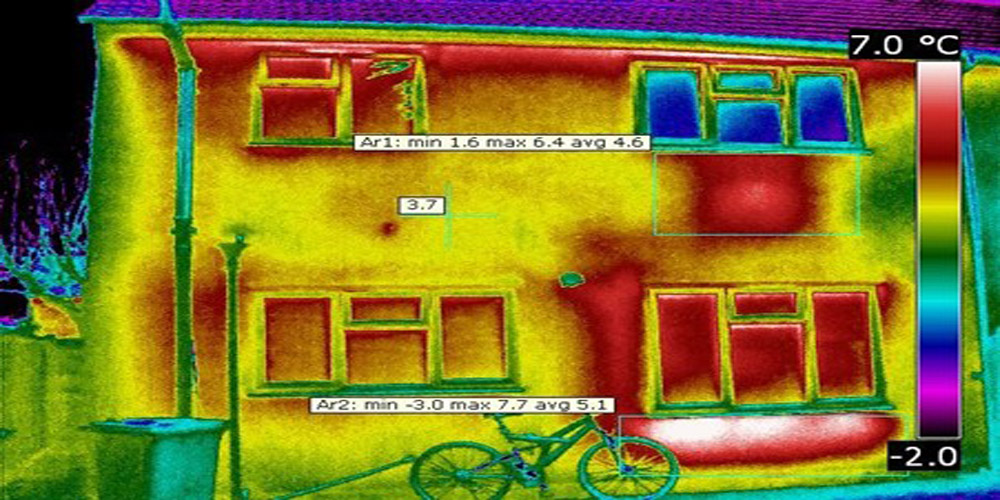
Another common issue that thermal imaging helps to uncover is air leakage through windows, doors, and other openings in the building’s envelope. Air leaks can have a significant impact on a building’s energy efficiency by allowing conditioned air (either heated or cooled) to escape, which results in higher energy consumption and costs.

In combination with blower door testing, thermal imaging becomes an especially powerful tool for identifying air leaks. Blower door tests create pressure differences inside the building, making air leaks more apparent. When thermal imaging is used during this test, it becomes easy to visualize where the conditioned air is escaping. Addressing these leaks can dramatically improve a building’s energy efficiency.

Poor or Missing Insulation

Thermal imaging is also effective at identifying areas with missing or poorly installed insulation. In many of the surveys conducted, significant energy loss has been traced to areas where insulation is either absent or damaged. This could be the result of improper installation, degradation over time, or other issues.

A thermal imaging survey can reveal these problem areas by highlighting the differences in thermal patterns. Areas with missing or damaged insulation will exhibit a different heat signature compared to properly insulated sections of the building. Correcting these deficiencies can lead to a reduction in energy loss, which translates into lower heating and cooling costs.

Thermal Bridging in Structural Elements

Thermal bridging occurs when heat flows through materials with higher thermal conductivity, such as steel beams or concrete, bypassing the insulation designed to prevent heat transfer. This is a common issue in many existing buildings and can lead to higher energy consumption due to uncontrolled heat transfer.

Thermal bridges can be detected using infrared cameras, which reveal areas where heat is being conducted through the building envelope. Once identified, steps can be taken to minimize these thermal bridges, either through better insulation or changes to the building’s design. Reducing thermal bridging can improve the overall energy efficiency of a building and contribute to a more comfortable indoor environment.

Thermal Imaging for Renovation & Retrofit Projects

Thermal imaging is particularly valuable when preparing for renovation or retrofit projects. Before starting any work, a thermal survey can help uncover hidden issues in the existing structure, such as moisture, air leaks, or insulation problems. Identifying these problems early in the process allows building owners and contractors to address them before beginning the renovation, which can prevent costly delays and complications down the line.

Conducting a thermal imaging survey both before and after renovation work is also a useful way to verify that the work was done correctly. This ensures that any retrofitting done to improve energy efficiency is as effective as possible, and it provides peace of mind that the building is safe and healthy for its occupants.

BREEAM Thermal Imaging Surveys

For buildings seeking BREEAM (Building Research Establishment Environmental Assessment Method) certification, thermal imaging can play a critical role. BREEAM is a globally recognized sustainability assessment method for infrastructure and buildings, and thermal imaging surveys are often a key requirement for achieving this certification. At APT Sound Testing, our thermal imaging services go beyond the specifications required by BREEAM. Our thermographers are Level 3 certified, which is the highest accreditation available for thermographic inspections, ensuring the highest quality and accuracy in every survey.

Comprehensive Thermal Imaging Services

Our thermal imaging services offer a comprehensive solution for detecting and diagnosing building defects. We use large-format FLIR cameras to capture high-resolution thermal images, and our detailed reports include thermal indexing formulas for fault diagnosis, qualification, and severity grading. This allows us to provide a clear, actionable plan for addressing any issues that are discovered during the survey.

If you’re interested in learning more about how thermal imaging can benefit your building, or if you would like to arrange for a survey, please contact APT Sound Testing at 01525 303905 or email us at info@airpressuretesting.net. We are committed to providing the highest quality thermographic services to ensure the longevity, safety, and efficiency of your building.
BREEAM Thermal Imaging Surveys

BREEAM Thermal Imaging Surveys

BREEAM Thermal Imaging Surveys & APT Sound Testing

For over a decade, APT Sound Testing has been at the forefront of providing professional BREEAM thermal imaging surveys, specialising in checking for insulation continuity and identifying potential thermal anomalies in buildings. Our commitment to excellence is underscored by our use of the highest-resolution thermal imaging camera equipment available in the industry. All our surveyors are certified Level 2 thermographers, ensuring that every inspection meets the stringent standards required for accurate and reliable thermographic analysis.

Understanding BREEAM and the Importance of Thermographic Surveys

BREEAM (Building Research Establishment Environmental Assessment Method) is the world’s leading environmental assessment method and rating system for buildings. It sets the benchmark for best practices in sustainable building design, construction, and operation. BREEAM assessments are integral to promoting energy efficiency, reducing environmental impact, and ensuring the sustainability of building projects.

Thermographic surveys have become a critical component of BREEAM assessments. Both the BREEAM New Construction and BREEAM Domestic Refurbishment programs recognize the significant benefits of conducting thermographic surveys by awarding credits when a Level 2 certified thermographer performs a suitable thermal inspection. These surveys help in identifying areas of heat loss, insulation defects, and thermal bridging, which can affect a building’s energy performance and occupant comfort.

Our Range of Thermal Imaging Survey Services

At APT Sound Testing, we offer a comprehensive suite of thermal imaging surveys tailored to various sectors and requirements. Our services include:

  1. Data Centre Thermal Surveys: Data centres generate substantial heat due to the high density of electronic equipment. Our thermal surveys help identify hotspots, cooling inefficiencies, and potential equipment failures, ensuring optimal performance and preventing costly downtime.
  2. Building Envelope Thermal Surveys: We assess the exterior envelope of buildings to detect insulation gaps, air leakage paths, and thermal bridges. This is crucial for enhancing energy efficiency and meeting regulatory standards.
  3. Flat Roof Condition Thermal Surveys: Flat roofs are susceptible to water ingress and insulation defects. Our thermal imaging can detect trapped moisture and insulation failures without invasive procedures, aiding in proactive maintenance.
  4. Thermal Surveys on Electrical and Mechanical Installations: Overheating in electrical and mechanical systems can lead to failures or fire hazards. Our surveys identify overheating components, allowing for timely interventions.

Whether your project is commercial or domestic, and regardless of whether the inspection is for compliance with Part L2 (b) of the Building Regulations, insulation checks, air leakage paths, or underfloor heating inspections, we have the expertise to meet your specific needs. Our commitment to integrity ensures that you receive accurate and reliable results every time.

The Non-Invasive and Non-Destructive Nature of Our Surveys

One of the significant advantages of our BREEAM thermal surveys is that they are entirely non-invasive and non-destructive. This means that the building’s structure remains intact, with no mechanical or physical damage occurring during the inspection process. Thermal imaging technology allows us to “see” heat patterns on surfaces, revealing underlying issues without the need for physical intrusion.

Our Experienced and Certified Team

Our team comprises certified professional engineers who are not only highly skilled in thermal imaging techniques but also bring years of experience across various facets of construction, engineering, maintenance, and professional management. Their comprehensive understanding of BREEAM standards ensures that every survey is conducted in strict adherence to current regulations and best practices.

All our thermographers are Level 2 certified, a qualification that reflects advanced expertise in thermographic analysis. This certification is crucial for BREEAM assessments, as credits are awarded only when a Level 2 thermographer conducts the survey.

State-of-the-Art Thermal Imaging Equipment

To deliver the most accurate and detailed results, we utilize the best thermal imaging equipment available on the market. High-resolution cameras enable us to detect even the slightest temperature differentials, which might be missed by lower-grade equipment. This precision allows us to identify faults and inefficiencies that could impact a building’s energy performance and occupant comfort.

Efficient Reporting and Client Support

We understand that timely reporting is essential for project schedules and compliance requirements. That’s why we generate professional reports promptly, typically within 24 hours of completing the BREEAM survey. These reports are comprehensive yet easy to understand, providing clear insights into any identified issues along with recommendations for remediation.

Our commitment to proactive client service is a cornerstone of our business. We believe in building long-term relationships by consistently delivering high-quality services that exceed expectations. This client-centric approach is why many of our clients choose to work with us year after year.

Preparing for Your Thermal Imaging Survey

To ensure a smooth and efficient survey process, we require some preliminary information:

  • Floor Plans and Elevation Drawings: These documents help our team plan the survey effectively, ensuring all critical areas are assessed.
  • Building Location: Knowing the exact location allows us to consider local climate conditions that might affect the thermal imaging results.

Upon receiving these details, we provide a detailed quotation tailored to your project’s specific needs. Additionally, we supply an informative checklist to help you prepare for the thermal survey. This checklist includes guidelines on how to condition the building before the survey, such as heating requirements and occupancy considerations, to ensure optimal results.

Comprehensive Solutions Beyond Thermal Imaging

APT Sound Testing offers a holistic approach to building compliance and performance assessment. In addition to our thermal imaging surveys, we provide a range of pre-completion testing services, making us a one-stop solution for your project’s needs:

  1. Air Tightness Testing for Building Regulations Part L: Air leakage can significantly impact a building’s energy efficiency. Our air tightness tests help identify leaks and ensure compliance with Part L of the Building Regulations.
  2. Sound Testing for Building Regulations Part E: Acoustic performance is essential for occupant comfort. We conduct sound insulation testing to verify that buildings meet the required standards for airborne and impact noise transmission.
  3. Planning Noise Surveys for BS8233 & BS4142: We perform environmental noise assessments to inform planning applications and ensure compliance with British Standards BS8233 and BS4142.
  4. Server Room Integrity Testing: Maintaining the integrity of server rooms is crucial for data security and equipment longevity. Our tests ensure that these sensitive environments are adequately protected.

Why Choose APT Sound Testing?

  • Expertise: With over 10 years of experience, we have a proven track record in delivering high-quality thermal imaging surveys and compliance testing.
  • Certified Professionals: Our team of Level 2 certified thermographers and engineers brings unparalleled expertise to every project.
  • Advanced Equipment: We invest in the latest thermal imaging technology to provide the most accurate and reliable results.
  • Client-Centric Approach: We prioritize your needs, offering quick turnaround times, detailed reports, and ongoing support.
  • Comprehensive Services: From thermal imaging to air tightness and sound testing, we offer a full suite of services to streamline your compliance processes.

Contact Us for Your Thermal Imaging Needs

If you’re in London or anywhere in the UK and require a thermal imaging survey, APT Sound Testing is ready to assist. Our professional and certified Level 2 thermographers will carry out your thermographic inspections in compliance with all necessary standards and current regulations.

To get started, simply provide us with:

  • Floor Plans and Elevation Drawings: These help us understand the scope and layout of your project.
  • Building Location: Knowing the site location allows us to schedule the survey at a time that suits you and consider any logistical factors.

Once we have these details, we’ll furnish you with a comprehensive quotation and our informative preparation checklist. This proactive approach ensures that the survey is conducted efficiently and yields the most accurate results.

Our Commitment to Sustainability and Excellence

At APT Sound Testing, we are passionate about what we do. We take great satisfaction in helping businesses and individuals make significant improvements in energy efficiency, sustainability, and compliance. By identifying thermal inefficiencies and providing actionable insights, we contribute to the creation of buildings that are not only compliant but also more comfortable and cost-effective to operate.

Our dedication to sustainability aligns with the core principles of BREEAM, and we are proud to support our clients in achieving their environmental performance goals. Whether it’s a new construction project aiming for the highest BREEAM rating or a refurbishment seeking to enhance its sustainability credentials, our thermal imaging surveys are an invaluable tool in the journey toward excellence.

Final Thoughts

Thermal imaging surveys are an essential component in modern building practices, offering insights that traditional inspection methods cannot. With the increasing emphasis on energy efficiency and sustainability, ensuring that your building meets the highest standards is more important than ever.

APT Sound Testing is committed to providing top-tier thermal imaging services that help you achieve compliance, improve performance, and contribute positively to the environment. Our expertise, advanced equipment, and client-focused approach make us the ideal partner for all your thermal imaging and compliance testing needs.

Get in Touch Today

Don’t leave your building’s thermal performance to chance. Contact APT Sound Testing today to schedule your BREEAM thermal imaging survey or to learn more about our comprehensive range of services. Let us help you ensure that your building not only meets regulatory requirements but also stands out as a model of sustainability and efficiency.


Contact Information:

We look forward to working with you and assisting in making your project a success.

What is Sound Testing for Dwellings

What is Sound Testing for Dwellings

Sound Testing for Dwellings

So, what is sound testing for dwellings? well, its a common question we get asked my many customers. To summarise Sound insulation testing is a process that checks if a building meets the necessary acoustic standards. It is required for new and converted dwellings according to building regulations. The sound testing should be undertaken by suitably qualified testers who hold approved third-party accreditation such as a UKAS accredited sound testing company.

Sound-Testing-flats-in-London
APT Sound Testing Undertaking Sound Testing to London Apartments

The sound insulation testing involves two different types of sound testing:

Airborne Sound Insulation: This relates to sound that travels via the air and through separating structures between rooms. For example, airborne sound across a lightweight floor would pass through the plasterboard ceiling, into the floor void, through the floorboards, and into the room.

Impact Sound Insulation: This measures the noise level in a room when an impact source is applied directly to the floor above.

The specific acoustic performance requirements for new builds and conversions are set within Approved Document E ‘resistance to the passage of sound. The criteria for refurbishments are slightly more lenient than for new builds, recognizing that it can be more difficult to soundproof an existing structure.

For compliance with the Building Regulations, the acoustic testing must be conducted by a qualified acoustic engineer who is accredited to conduct sound testing by an organisation such as UKAS testing laboratory.

Acoustic-Design-and-Sound-Testing-party-walls-&-floors
Acoustic Design Sound Testing

Why choose APT Sound Testing for your precompletion testing

In conclusion, our expertise, comprehensive services, commitment to quality, customer focus, and competitive pricing make us the best choice for your sound insulation testing needs. Contact us today to schedule a sound test or to learn more about our other services, such as acoustic design detailing. We also provide rapid sound testing service, with site visits within one week.

We look forward to working with you!

Also, if you have any further questions, feel free to ask!

Please contact us on info@aptsoundtesting.co.uk or call APT Sound Testing direct on 07775 623464.

Sound Insulation Testing for Flats

Sound Insulation Testing for Flats

What is Sound Insulation Testing for Flats?

What Sound insulation testing is a process that checks if a building meets the necessary acoustic standards. It is required for new and converted dwellings according to building regulations. The sound testing should be undertaken by suitably qualified testers who hold approved third-party accreditation such as a UKAS accredited sound testing company.

The sound insulation testing involves two main aspects:

Airborne Sound Insulation: This relates to sound that travels via the air and through separating structures between rooms. For example, airborne sound across a lightweight floor would pass through the plasterboard ceiling, into the floor void, through the floorboards, and into the room.

Impact Sound Insulation: This measures the noise level in a room when an impact source is applied directly to the floor above.

The specific acoustic performance requirements for new builds and conversions are set within Approved Document E ‘resistance to the passage of sound. The criteria for refurbishments are slightly more lenient than for new builds, recognizing that it can be more difficult to soundproof an existing structure.

For compliance with the Building Regulations, the acoustic testing must be conducted by a qualified acoustic engineer who is accredited to conduct sound testing by an organisation such as UKAS accredited testing laboratory

Why We Are the Best Company for Your Sound Insulation Testing

Sound insulation testing is a critical aspect of building construction and design. It ensures that your building meets the necessary acoustic standards, providing a comfortable and productive environment for its occupants. But with so many companies offering this service, why should you choose us? Here are some compelling reasons:

1. Expertise and Experience in Sound Insulation Testing

Our acoustic team comprises highly skilled and experienced professionals who have been in the sound testing field for 20 years. We understand the intricacies of sound insulation testing and design and can provide our services on all types of developments, regardless of its size or complexity. We are also a UKAS accredited testing laboratory working to the highest ISO standards.

2. We Use the Latest Acoustic Technology

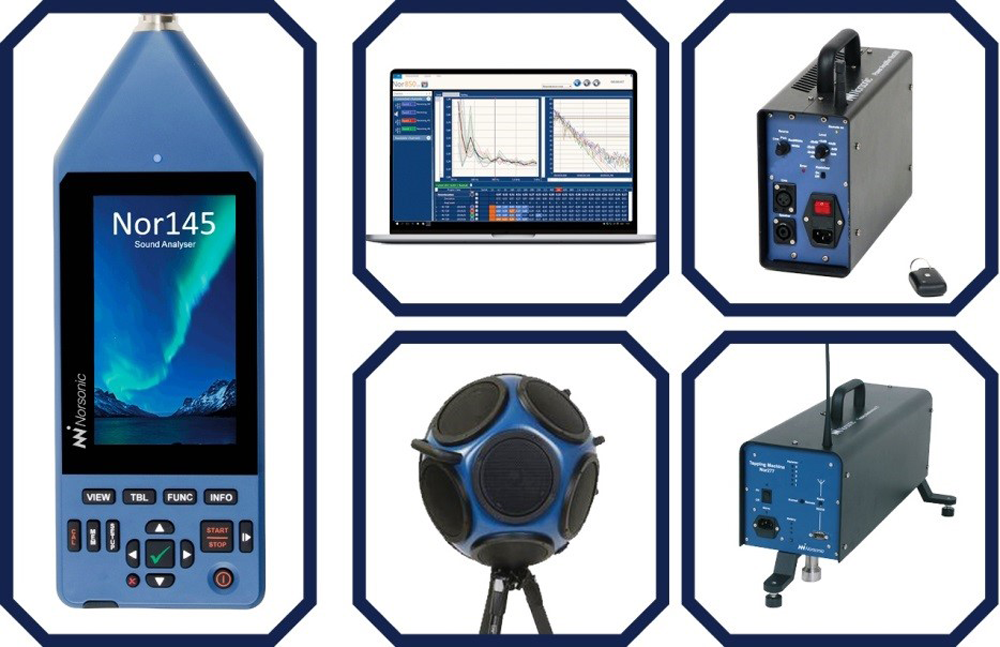
We use state-of-the-art Norsonic sound test equipment and software for our sound testing. This not only ensures accurate results but also allows us to complete the tests quickly and efficiently.

3. Comprehensive Sound Testing Services

Our services are not limited to just sound testing. We also offer consultation, advice on sound insulation design, and solutions to any sound insulation problems you might have in your apartment buildings etc. as part of our comprehensive package we can undertake sample sound testing to the existing floor and walls within your building, we can then undertake targeted acoustic design using the results from the sample sound testing to reduce ussies such as noise flanking etc.  We then undertake the final precompletion sound testing for Building Regulations Part E to enable Building Control signoff for the acoustic portion for your project.

4. Quality Assurance

We adhere to strict quality control procedures aligned to ISO17025 to ensure that our tests are conducted under the right conditions and that the results are reliable. We are also a UKAS accredited Sound Testing Laboratory so you can be sure of the highest testing standards and reportage at all times.

5. Customer Satisfaction

Our customers are our top priority. We go the extra mile to ensure that you are satisfied with our acoustic services, which is reflected in our positive Google reviews. We provide timely and clear communication and are always ready to answer any questions you might have in regard to the acoustic design on your new/conversation project. 

6. Competitive Sound Test Pricing

Despite offering a comprehensive and professional service, our prices are very competitive. We believe in providing value for money and strive to make our services affordable for all, however big or small the project.

7. We choose us for you Sound Insulation Testing

In conclusion, our expertise, comprehensive services, commitment to quality, customer focus, and competitive pricing make us the best choice for your sound insulation testing needs. Contact us today to schedule a sound test or to learn more about our services. We look forward to working with you!

Also, if you have any further questions, feel free to ask!

Please contact us on info@aptsoundtesting.co.uk or call APT Sound Testing direct on 07775 623464.

Overview of Floor Plenum Testing

Overview of Floor Plenum Testing

Floor Plenum Testing Services by APT Sound Testing

APT Sound Testing provides thorough floor plenum testing in alignment with the Floor Plenum Airtightness – Guidance and Testing Methodology (BG 65/2016). Our testing services are vital for ensuring that conditioned air is efficiently distributed from the floor plenum to the occupied spaces, without leaking into unintended areas like cavities, risers, stairwells, or other adjacent zones. Proper sealing of the floor plenum is crucial to allow diffusers and grilles to deliver air at the correct flow rates, thereby enhancing both energy efficiency and comfort within the building.

What is a Floor Plenum?

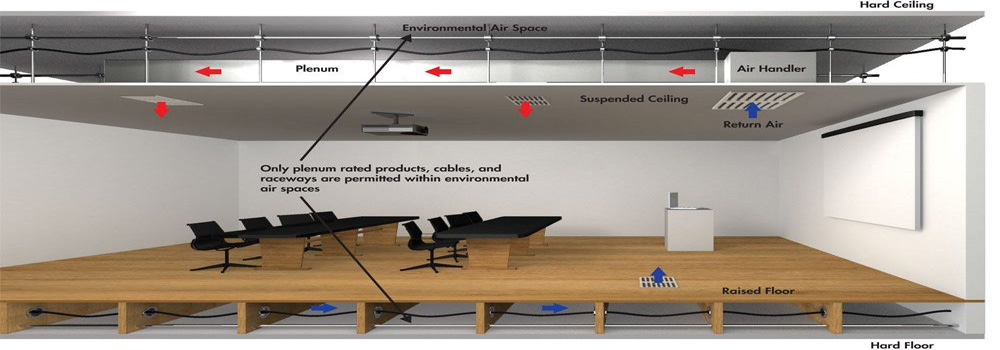
A floor plenum is a space between the structural floor of a building and the raised access floor above it. This void is typically utilised for the distribution of conditioned air throughout the building, supporting HVAC systems by providing pathways for either supply or return airflows. The air within the plenum is usually maintained at a pressure higher than the atmospheric pressure to facilitate its movement into the occupied areas above.

However, this setup presents a potential for air leakage, which can lead to significant energy inefficiencies and discomfort for occupants. Ensuring that the conditioned air flows directly into the occupied zones, rather than leaking into cavities, risers, or other unintended areas, is essential for maintaining both the efficiency of the building’s HVAC system and the comfort of its users.

Importance of Floor Plenum Sealing

Properly sealing the floor plenum ensures that the air supplied to this void is discharged through floor-mounted diffusers or grilles, rather than escaping through joints in the raised access floor or between the floor and walls. This is critical because unintentional air leakage can disrupt the designed air distribution, leading to uneven heating or cooling, increased energy consumption, and potential discomfort for building occupants.

To prevent these issues, the floor plenum must be constructed and sealed meticulously. The materials used, the quality of the construction, and the precision in sealing all joints and penetrations are crucial factors in achieving the desired airtightness.

How We Conduct Floor Plenum Testing

At APT Sound Testing, we use specialised equipment to conduct floor plenum airtightness tests. The testing process involves the use of a fan, which is set up within the test zone to measure the pressure differences and detect any air leakage. Prior to testing, all air ducts must be turned off and sealed to ensure that the readings are accurate and reflective of the floor plenum’s airtightness.

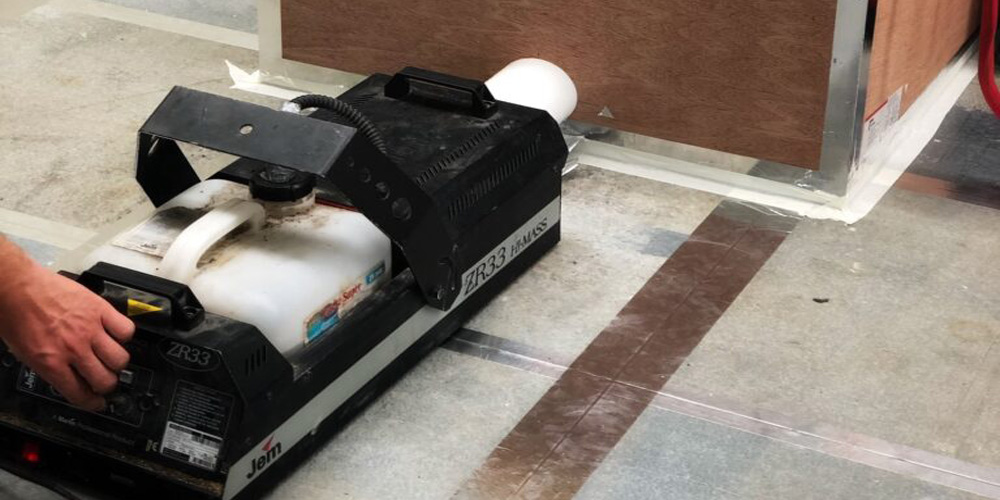
The test consists of taking a series of pressure readings across different points within the plenum. These readings help us determine whether the plenum meets the required airtightness standards. If the plenum fails the test, we can conduct a smoke survey to identify the specific paths where air is leaking. This allows us to provide a detailed report highlighting the areas that need remedial sealing work.

Why Floor Plenum Airtightness Matters

The airtightness of a floor plenum is a critical factor in the overall performance of a building’s HVAC system. When air leaks occur within the plenum, it can result in reduced efficiency of the system, leading to higher energy consumption and increased operational costs. Additionally, air leakage can cause uneven distribution of conditioned air, leading to hot or cold spots within the building, which can significantly impact occupant comfort.

Moreover, uncontrolled air leakage can interfere with the building’s ability to maintain proper indoor air quality. By allowing conditioned air to escape or allowing unconditioned air to enter the plenum, the building may struggle to maintain the desired temperature and humidity levels, potentially leading to an uncomfortable or unhealthy indoor environment.

Key Considerations for Floor Plenum Construction

When constructing a floor plenum, several important considerations must be taken into account to ensure its airtightness and overall effectiveness:

  1. Alignment of Carpet Tiles and Floor Panels: In many office buildings, carpet tiles are installed over the raised access floor. If the joints between these tiles are not aligned with the joints of the underlying floor panels, air leakage can be minimized, especially if the carpet tiles are glued in place. However, relying solely on carpet tiles for airtightness is not advisable, as they may de-bond over time.
  2. Sealing Electrical and Data Boxes: Raised access floors often include electrical and data boxes. The air leakage potential of these boxes should be evaluated to ensure they do not significantly contribute to overall floor leakage, which could reduce the efficiency of air delivery to grilles and diffusers. Any penetrations for cabling or other utilities should be sealed properly to prevent air leakage.
  3. Perimeter Sealing: The perimeter of the floor plenum, where the access floor meets the wall, is often a critical area for air leakage. To reduce this, it may be beneficial to install a metal angle along the perimeter, combined with closed-cell board or neoprene strips, to enhance the seal and prevent excessive air leakage.
  4. Wall Construction and Sealing: The walls of the floor plenum are particularly vulnerable to air leakage. Plasterboard can be used as an airtight barrier, but it is essential to ensure that all joints are sealed, especially where the boards meet other boards, walls, floors, and the underside of the raised access floor. Similar precautions should be taken with coated mineral fire boards used in conjunction with fire mastic. The boards should have a specified air leakage rate of 0.15 l/(s.m²)@50Pa and a life expectancy of at least 25 years.
  5. Concrete Floors and Joint Sealing: While poured in-situ concrete floors generally do not have significant air leakage issues, other types such as hollow-core and solid composite precast planks require careful sealing along the plank joints. Beam and block floors should be covered by a screed to prevent excess air leakage.

Common Air Leakage Paths in Floor Plenums

To create an airtight floor plenum, it is essential to identify and properly seal all potential air leakage paths. During the early design phase and throughout construction, a thorough evaluation of the following common leakage points should be conducted:

  1. Utility Penetrations:
    • Cable Bundles and Trays: Any penetrations through the access floor, walls, and subfloor for cables must be sealed to prevent air leakage.
    • Pipes: Similar to cables, all pipe penetrations should be properly sealed.
    • Fire/Plenum Barriers: These barriers must be airtight to prevent air from bypassing the intended flow paths.
  2. Cable Trunking: The interior of cable trunking within the plenum should be sealed to prevent air from escaping into unwanted areas.
  3. Masonry Work: Poorly jointed or incomplete masonry can be a significant source of air leakage. Ensuring that all masonry work is properly executed is crucial for maintaining airtightness.
  4. Risers and Ducting: Proper sealing of risers and ducting within the plenum is necessary to prevent air leakage and ensure efficient air distribution.
  5. Plasterboard Sealing: All edges and ends of plasterboard below the raised floor level should be sealed to prevent air from escaping.
  6. Compartment Barriers: Gaps between compartment barriers, the top of the raised access floor, and the subfloor should be sealed to prevent air leakage.
  7. Curtain Walling/Glazing: Any gaps between curtain walling or glazing and the plenum should be sealed to prevent air leakage.

Floor Plenum Testing

APT Sound Testing is dedicated to ensuring the airtightness of floor plenums in commercial buildings. Our comprehensive Floor Plenum Testing services, backed by the expertise of a UKAS-accredited laboratory, are designed to help you achieve optimal performance from your HVAC system while maintaining energy efficiency and occupant comfort. Whether you are constructing a new building or managing an existing one, we can assist you with all aspects of floor plenum testing and remediation.

If you have concerns about the airtightness of your floor plenum or require testing services, please do not hesitate to contact APT Sound Testing. Our expert staff are ready to provide you with the advice and testing services you need to ensure the effectiveness and efficiency of your building’s HVAC system. Call us today at 01525 303 905, or visit our website for more information.

UKAS Accredited Sound Testing

UKAS Accredited Sound Testing

UKAS Accredited Sound Testing Services

At APT Sound Testing, we offer UKAS-accredited sound testing services across London and the entire UK, complying with the stringent requirements outlined in Approved Document E of the Building Regulations. Our expertise extends to a wide range of building types, encompassing both residential and commercial structures, as well as schools and buildings that house rooms for residential purposes.

Our dedicated team of sound testing engineers brings a wealth of experience to every project, ensuring that our clients receive the highest quality service. We understand the critical importance of meeting acoustic standards for building completion, and our engineers are committed to helping clients achieve the necessary acoustic performance to pass their sound tests. In addition to sound testing, we provide acoustic design advice to assist our clients in making informed decisions that will facilitate successful project outcomes.

Our goal is to support our clients throughout the process, from initial consultation to final testing, to ensure they meet all required regulations.

In addition to our sound testing services, we also offer UKAS-accredited air tightness testing, which can be integrated into our service package. By providing both sound and air tightness testing as part of a single, seamless process, we help our clients reduce costs and avoid the complications that can arise from coordinating multiple service providers. This integrated approach streamlines the testing process and ensures that all necessary compliance checks are completed efficiently and effectively.

Expertise in Sound Testing

At APT Sound Testing, our team of engineers is highly experienced in conducting sound tests across a diverse range of building types. Whether working on new residential developments, commercial buildings, educational facilities, or healthcare environments, our engineers apply their extensive knowledge to deliver precise and reliable testing results. Our commitment to quality service is reflected in the satisfaction of our clients, who benefit from our proactive approach and deep understanding of acoustic design principles.

We are proud to offer not only sound testing services but also comprehensive acoustic consultancy. This allows us to assist clients with the design and implementation of effective noise control measures, which can significantly enhance the likelihood of passing sound tests. Our engineers work closely with clients to identify potential acoustic challenges early in the project, providing actionable advice that can be incorporated into the design and construction phases. This collaborative approach helps to ensure that the final building meets all acoustic requirements, facilitating a smoother path to building completion.

Who We Serve

Our client base is diverse, ranging from individual self-builders to some of the largest housing developers in the UK. We also work with various public sector organizations, including the health authority and financial institutions, providing specialized services such as cleanroom testing. Over the years, we have built a reputation for delivering high-quality, reliable service that meets the unique needs of each client. Our commitment to client satisfaction is evident in our high rate of return clients, which is among the highest in the industry for pre-completion testing and consultancy services.

What sets us apart is our ability to provide a truly in-house service. Unlike many other providers, we do not subcontract our work. This means that every aspect of the testing process, from initial consultation to final reporting, is managed by our own team of experts. This approach allows us to maintain the highest standards of quality and consistency across all of our projects. Additionally, our central London office enables us to respond quickly and efficiently to client requests, offering the flexibility to accommodate last-minute testing needs and weekend work, particularly for clients in the banking sector.

Commitment to Quality and Innovation

At APT Sound Testing, we place a strong emphasis on innovation and continuous improvement. We invest heavily in both our personnel and our equipment to ensure that we can provide the most accurate and reliable testing services available. Our engineers are trained to the highest standards, and we use the latest acoustic testing and survey equipment, all of which is UKAS calibrated to ensure accuracy. By keeping our team and tools at the cutting edge of the industry, we are able to offer our clients a service that is both efficient and of the highest quality.

We are also committed to listening to our clients’ needs and providing practical, cost-effective solutions that take into account the specific challenges of their projects. We understand that each project is unique, with its own set of requirements and constraints, and we tailor our services accordingly. Whether it’s providing acoustic design consultancy, conducting pre-completion testing, or offering advice on how to achieve compliance with Building Regulations, our team is dedicated to helping our clients succeed.

A Client-Focused Approach

Our approach to client service is built on the principles of responsiveness, reliability, and professionalism. We recognize that our clients rely on us to deliver critical services that are essential for the successful completion of their projects, and we take this responsibility seriously. From the initial inquiry to the final report, we strive to make the process as smooth and straightforward as possible. Our team is always available to answer questions, provide updates, and offer support at every stage of the project.

We believe that clear communication is key to a successful partnership, and we work hard to ensure that our clients are kept informed throughout the testing process. This includes providing detailed reports that clearly outline the results of our tests, as well as any recommendations for further action. Our goal is to give our clients the information they need to make informed decisions and to move forward with confidence.

Why Choose APT Sound Testing?

Choosing APT Sound Testing means choosing a partner that is committed to excellence in every aspect of our work. Our UKAS accreditation is a mark of the quality and reliability of our services, and we adhere to the strictest ISO standards in all of our testing and consultancy work. This ensures that our clients can have complete confidence in the results we provide and in the integrity of our testing processes.

Moreover, our extensive experience in the industry means that we have the knowledge and expertise to handle even the most challenging projects. Whether you’re developing a large residential complex, refurbishing an office building, or constructing a new school, we have the skills and resources to help you achieve your goals. Our team is passionate about what we do, and we are always looking for new ways to improve our services and deliver even greater value to our clients.

In summary, APT Sound Testing is your trusted partner for sound testing and acoustic consultancy services across London and the UK. Our comprehensive range of services, combined with our commitment to quality and customer satisfaction, makes us the ideal choice for any project requiring acoustic compliance. We invite you to contact us to discuss your next project and discover how we can assist you in achieving the required standards for sound and air tightness testing.

For more information or to schedule a consultation, please call us at 01525 303 905 or visit our website to contact us using our online form. We look forward to working with you on your next project and helping you achieve the acoustic performance you need for building completion.

Acoustic Consultants you can Trust

Acoustic Consultants you can Trust

APT Acoustic Consultancy Testing

As leading Acoustic Consultants, here at APT Sound Testing we pride ourselves on providing comprehensive, turnkey solutions that address all your acoustic requirements, ensuring full compliance with planning regulations and Building Regulations Part E. Our goal is to help you achieve building control sign-off for the acoustic elements of your project, guiding you through the entire process with professional advice and a continual focus on cost-efficiency.

Our approach begins with a thorough site visit, during which we conduct sample sound insulation testing on the existing walls and floors of your building. This crucial step allows us to assess the sound insulation performance of the existing dividing partitions. By establishing accurate sound levels, we can develop a targeted acoustic design that ensures your project will comply with the stringent requirements of Building Regulations Part E.

We offer comprehensive support throughout the lifecycle of your project, from the initial design stage through to the final pre-completion sound testing. Our expertise enables us to carefully review and refine the acoustic details of your construction, focusing on the essential elements of mass, isolation, and absorption to create an effective acoustic design.

To assist our clients in achieving compliance with Approved Document E, we have developed a specialised four-step acoustic design advice package. This package is designed to address the unique needs of each project, providing clear guidance and expert solutions at every stage.

Step 1: Site Survey Visits

The first step in our process involves conducting site survey visits to thoroughly assess the existing site construction. During these visits, our team examines the building’s current structure, paying close attention to any potentially problematic construction elements, such as the use of lightweight blocks. These materials can negatively impact acoustic performance if not properly addressed. Additionally, we take this opportunity to ensure that the installation teams are adhering to the manufacturer’s guidelines when installing acoustic materials. By identifying potential issues early, we can recommend adjustments or enhancements to the construction process that will improve overall sound insulation.

Step 2: Sample Sound Testing

Following the site survey, we proceed with sample sound testing of the existing construction. This step provides us with a detailed and accurate overview of the acoustic performance of the existing partitions. Understanding the current sound insulation levels is essential for developing a targeted acoustic design. By measuring the actual performance of your building’s partitions, we can identify any weaknesses and suggest specific improvements to enhance sound insulation. This data-driven approach ensures that the acoustic design we propose is tailored to the unique characteristics of your building, maximizing the effectiveness of the soundproofing measures we recommend.

Step 3: Acoustic Design Review

Once we have gathered all necessary data from the site survey and sound testing, we conduct a full acoustic design review. This comprehensive analysis focuses on the party walls and floors of the proposed development, ensuring that every aspect of the acoustic design meets the requirements of Building Regulations Part E. Our design review includes a detailed examination of the mass, isolation, and absorption properties of the construction materials and methods being used. We assess whether the proposed design will effectively mitigate noise transmission between adjoining spaces, and we suggest modifications where necessary to optimise acoustic performance. Our goal is to deliver a design that not only complies with regulations but also enhances the overall acoustic environment of the building, contributing to a more comfortable and functional space for occupants.

Step 4: Pre-Completion Sound Testing

The final step in our process is pre-completion sound testing, which is essential for satisfying the requirements of Approved Document E. This testing is typically requested by local authorities to verify that the building meets the required sound insulation standards before completion. Our team conducts thorough sound insulation tests on the finished partitions, ensuring that the construction meets or exceeds the standards set out in Building Regulations Part E. If any issues are identified during this testing phase, we provide immediate recommendations for corrective actions, helping you to achieve compliance without delay.

Our commitment to providing expert acoustic consultancy services ensures that your project will meet all necessary regulatory requirements while also delivering high-quality acoustic performance. By partnering with us, you can be confident that every aspect of your project’s acoustic design will be carefully managed and optimized for success.

In addition to our four-step acoustic design advice package, we are always available to offer further assistance and guidance as needed. If your project has specific challenges or requires additional support, we are here to help. Our team of experienced consultants is dedicated to ensuring that your project achieves the best possible outcomes, both in terms of compliance and overall acoustic quality.

We understand that navigating the complexities of Building Regulations Part E can be challenging, but with our expert guidance, you can be assured that your project will meet all necessary standards. Whether you are at the initial planning stages or approaching project completion, our comprehensive acoustic consultancy services are designed to support you every step of the way.

If you require pre-completion sound testing or any other acoustic consultancy services, please do not hesitate to contact us. We are available to discuss your specific needs and provide tailored solutions that will help you achieve compliance with all relevant regulations. To arrange a consultation or to schedule sound insulation testing, you can reach us at 01525 303905 or via email at info@aptsoundtesting.co.uk.

Acoustic Consultants: A Holistic Approach

Our holistic approach to acoustic consultancy ensures that your project benefits from expert advice and cost-effective solutions throughout its lifecycle. From initial site surveys to final sound testing, we are committed to delivering the highest standards of service and compliance.

By choosing APT Sound Testing as your acoustic consultants, you can be confident that your project’s acoustic elements will be handled with the utmost professionalism and care, ensuring a successful outcome for your building control sign-off.

Providing BS4142 Noise Surveys

Providing BS4142 Noise Surveys

Commercial BS4142 Noise Surveys

If you’ve been issued a planning condition that requires a noise survey in accordance with BS4142, APT Sound Testing is here to assist you. We understand the growing concern among planning authorities regarding noise from industrial sites, particularly as urban redevelopment initiatives increasingly bring industrial and residential areas into closer proximity.

The push from Central Government to redevelop brownfield sites has led to a situation where industrial noise and operational hours can significantly impact the quality of life and amenity in nearby residential areas.

Local authorities often impose strict controls on noise emissions through planning conditions, making it essential to consider noise insulation measures for plant and machinery. Achieving specified sound pressure level limits, whether at the site boundary or at nearby sensitive receptors, can be crucial in complying with these conditions. As such, establishing noise level guidelines, setting limits, and monitoring compliance are key components in ensuring that noise from industrial activities does not adversely affect surrounding communities.

When a new noise source is introduced as part of your project, we can measure the existing noise levels in the area over a 24-hour period and then predict the impact of the new noise source. If the noise source is already operational, we will measure the ambient noise levels over a 24-hour period without the noise source active and then again with the noise source operational. This allows us to determine the noise impact and ensure it aligns with acceptable levels.

BS4142 is the recognized standard for assessing industrial noise in areas where residential housing is present. It involves measuring the existing background noise levels, often at different times of the day if necessary, using the LA90 metric. LA90 is the noise level that is exceeded for 90% of the measurement period and provides a reliable indication of the baseline noise environment. Our consultants are highly experienced and thoroughly familiar with the methods and requirements outlined in BS4142, ensuring that our assessments are accurate and compliant with the standard.

We offer comprehensive noise survey reports that include detailed analyses and outline possible mitigation measures. To further support these measures, we can provide noise mapping that visually demonstrates the effectiveness of proposed solutions in real-world scenarios. Our assessments cover a wide range of industrial noise sources, including extraction systems, air conditioning units, industrial machinery, refrigeration units, and general industrial building activities.

At APT Sound Testing, we utilize the latest ‘state-of-the-art’ Norsonic acoustic equipment to conduct fully compliant BS4142 industrial noise surveys. Our advanced technology, coupled with our expertise, ensures that the noise data we collect is precise and reliable, providing you with the information needed to make informed decisions about noise control and mitigation.

If you have been requested by a local authority to undertake a BS4142 Noise Assessment, don’t hesitate to contact us. You can reach APT Sound Testing at 01525 303905 or email us at info@aptsoundtesting.co.uk. We are committed to providing timely and effective noise assessment services to meet your planning requirements.

In addition to industrial noise surveys, APT Sound Testing offers a wide range of sound testing services for various building types, including residential and commercial properties, as well as schools and buildings designed for residential purposes. Our team of experienced sound test engineers is dedicated to delivering the highest quality service, ensuring that our clients achieve the required acoustic results to pass sound testing and secure building completion. We also provide acoustic design advice, helping you to implement effective noise control strategies from the outset of your project.

Moreover, we offer ‘in-house’ UKAS-accredited air tightness testing, allowing us to deliver a comprehensive service package that can reduce costs and minimize coordination issues. By combining sound testing with air tightness testing, we provide a seamless solution that helps you meet all necessary building regulations in a cost-effective and efficient manner.

At APT Sound Testing, our goal is to support your project from start to finish, ensuring that all aspects of noise control are addressed with precision and expertise. Whether you’re dealing with a new development or an existing industrial site, we are here to help you navigate the complexities of noise assessment and compliance, ensuring that your project meets all required standards and contributes positively to the surrounding community.

Plant Noise Survey Services & Planning

Plant Noise Survey Services & Planning

Plant Noise Survey’s for Planning Compliance

If you’ve received a planning condition requiring a plant noise survey in accordance with BS4142, APT Sound Testing can assist you. We recognise the increasing significance of industrial noise in the planning process, particularly as redevelopment initiatives bring industrial and residential areas closer together. This proximity often raises concerns about noise levels and operational hours, potentially impacting the quality of life and amenity for nearby residents.

Sound Testing

The Importance of Noise Control in Planning

Local authorities are placing greater emphasis on controlling noise emissions through planning conditions. This often necessitates the insulation of plant and machinery to meet specified sound pressure level limits, whether at the site boundary or at nearby sensitive locations. Establishing guideline noise levels and ensuring compliance are essential steps in mitigating noise impacts on the community.

Comprehensive Noise Survey and Impact Assessment

For projects introducing new noise sources, we conduct thorough measurements of existing noise levels over a 24-hour period. This data allows us to predict the potential impact of the new noise source. If the noise source is already present, we can measure the noise levels without the source and then with it to determine the difference.

BS4142 Noise Assessment Expertise

BS4142 is the standard method for assessing industrial noise in residential areas. It involves measuring the existing background noise using the LA90 metric, which is the noise level exceeded for 90% of the time. Our consultants have extensive experience with the methodologies and requirements outlined in BS4142, ensuring accurate and reliable assessments.

Detailed Survey Reports and Mitigation Strategies

We provide detailed survey reports that include possible mitigation measures, supported by noise mapping to illustrate their real-life effectiveness. Our assessments cover a wide range of industrial noise sources, such as extraction systems, air conditioners, industrial plants, and refrigeration units.

Advanced Acoustic Equipment

Our noise surveys are fully compliant with BS4142 standards, utilizing the latest state-of-the-art Norsonic acoustic equipment. This ensures high-quality data collection and analysis, providing a solid foundation for our recommendations and reports.

Contact APT Sound Testing

If your local authority has requested a Plant Noise Survey or BS4142 Noise Assessment, don’t hesitate to contact us. Call us at 01525 303905, visit our website or email us at info@aptsoundtesting.co.uk. Let APT Sound Testing help you navigate the complexities of noise regulation and ensure your project’s compliance with planning conditions.

Floor Plenum Testing Services

Floor Plenum Testing Services

APT Floor Plenum Testing Services

APT Sound Testing offers specialized floor plenum testing services, adhering to the “Floor Plenum Airtightness – Guidance and Testing Methodology” (BG 65/2016). Our goal is to ensure your building’s floor plenums are properly sealed, optimising energy efficiency and maintaining a comfortable environment.

Floor Plenum Testing

Understanding Floor Plenums

A floor plenum is a void located between a building’s structural floor and a raised access floor. This space is utilized for the distribution of conditioned air to the areas above. Properly managed, the air flows from the floor plenum into the occupied zones without leaking into adjacent cavities, risers, stairwells, or other spaces. Ensuring the air flows correctly through the floor-mounted diffusers or grilles, rather than escaping through joints or gaps, is crucial for maintaining the intended air delivery and system efficiency.

Importance of Airtight Floor Plenums

An airtight floor plenum ensures that conditioned air reaches the occupied zones efficiently, providing comfort and saving energy. Leaks can lead to significant energy loss and discomfort for building occupants. Therefore, it is essential to perform thorough floor plenum testing to identify and address any air leakage issues.

Our Testing Methodology

At APT Sound Testing, we utilize a meticulous testing process involving specialised equipment. Here’s an overview of how we conduct floor plenum air tests:

  1. Preparation:
    • We remove a temporary tile from the plenum and install a fan housing directly above the opening.
    • A fan is then placed into the housing, which is sealed against the floor.
    • All air handling ducts serving the test zone are turned off, isolated, and sealed to prevent air passage outside the test zone.
  2. Testing Setup:
    • Another tile is replaced with a mock tile featuring a drill hole for the high-pressure tube.
    • A series of pressure readings is taken once the equipment is set up. These readings are then compared against the floor plenum air tightness specification.
  3. Smoke Survey:
    • If the plenum fails the initial test, a smoke survey is conducted to identify air leakage paths.
    • The smoke survey helps pinpoint exact areas where sealing is needed.
  4. Reporting:
    • A detailed report is generated, highlighting any air leakage paths found during the smoke survey. This report serves as a reference for remedial sealing works.

Ensuring Successful Testing

Our team at APT Sound Testing is committed to helping you pass your floor plenum air test on the first attempt. Here’s how we ensure success:

  • Site Audit: We arrange an on-site air test site audit as soon as the floor is in place.
  • Initial Testing: Conduct an initial floor plenum air test and smoke survey to assess air leakage.
  • Remedial Guidance: Provide a smoke survey report to guide your sealing contractors in effectively addressing any identified leaks.

Standards and Specifications

Currently, there is no universal standard for floor plenum testing. The specifications are typically set by the project’s mechanical engineers and are often measured in litres per second per square meter (l/s/m²) at a specific pressure, such as 0.7 l/s/m² at 50 Pascals. Occasionally, the specification might be in litres per second per cubic meter (l/s/m³), in which case the volume of the plenum must be known.

Our Commitment to Excellence

Choosing APT Sound Testing for your floor plenum testing ensures you benefit from:

  • Expertise: Our experienced team has years of expertise in raised access floor plenum air pressure testing.
  • Customer Satisfaction: We focus on customer satisfaction with a proactive and can-do attitude.
  • Accreditation: Our UKAS-accredited laboratory underscores our commitment to quality and reliability.

Contact Us

For more information about our floor plenum testing services or to schedule a site visit, please contact our knowledgeable and friendly team. We are eager to discuss your specific requirements and recommend the most suitable tests for your structure.

Phone: 01525 303905
Website: APT Sound Testing