Smoke Shaft Air Testing: Why It Matters
Smoke Shaft Air Testing: Why It Matters and How to Avoid a Failed Test
Smoke shafts are commonly installed in high-rise buildings as part of a fire-engineered smoke control strategy. They play an important role in helping to remove smoke from a building during a fire, allowing escape routes to remain as clear as possible.
Because the smoke shaft is such an important part of the overall smoke control system, air tightness is critical. A smoke shaft that is too leaky may not perform as intended, which is why air tightness testing is required before the system can be signed off.
What happens if a smoke shaft fails its air test?
The usual air tightness target for a smoke shaft is 3.8 m³/hr/m². If the shaft exceeds this limit, the leakage can affect the performance of the smoke control system.
A failed test can also cause delays to a project, as the smoke control system may not be able to receive final approval from the fire system contractor and/or Building Control until the issue has been resolved.
Fortunately, a failed test doesn’t necessarily mean extensive remedial work is required. The key is finding where the air is escaping.
Finding and fixing smoke shaft leaks
We have extensive experience testing smoke shafts of all sizes, from individual shafts through to large-scale developments.
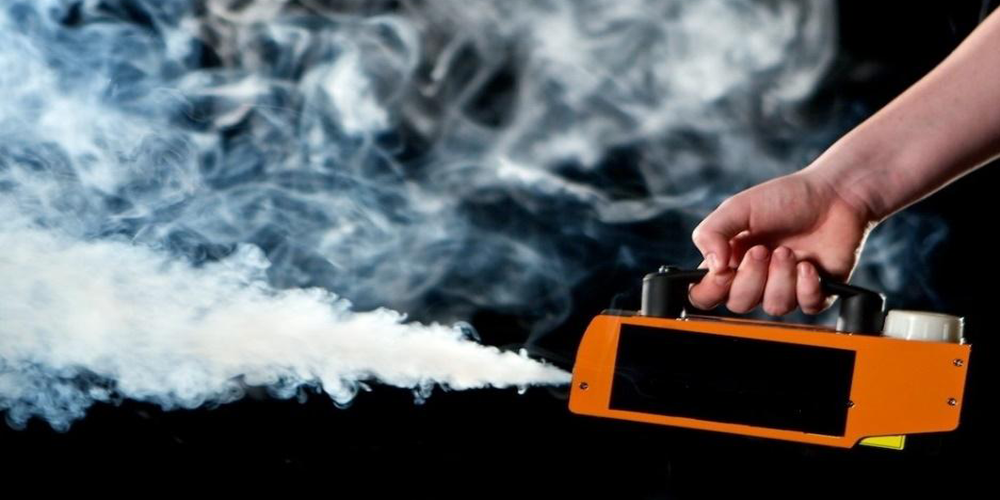
When a smoke shaft fails its initial air test, we can provide a diagnostic leakage investigation to identify the cause of the failure. We use a combination of smoke testing and thermal imaging to locate air leakage paths within the smoke shaft envelope.
This approach allows us to pinpoint areas that require attention rather than relying on trial-and-error sealing.
Once the investigation is complete, we collate our findings into a detailed air leakage report. This gives the client a clear indication of where remedial sealing work is required, allowing contractors to focus their efforts on the areas that matter.
On previous projects, this targeted approach has enabled remedial works to be completed quickly, with the smoke shaft subsequently passing its air tightness test on the next visit.
Our smoke shaft testing service
Our smoke shaft air testing service includes:
- Smoke shaft survey visits carried out by experienced consultants
- UKAS and ATTMA Level 2 accredited air testing
- Smoke shaft air test certification
- High-powered fan equipment suitable for a range of shaft sizes
- UKAS-calibrated testing equipment
- Detailed leakage diagnostics using smoke machines and thermal imaging
- Rapid testing and reporting
Experienced smoke shaft air testing specialists
Air Pressure Testing is one of the few companies in the UK to hold both UKAS and ATTMA Level 2 accreditation for air tightness testing of buildings, as well as smoke shafts and floor plenums.
Whether you’re arranging a smoke shaft test for a new development or need help diagnosing a failed test, our team can provide both the testing and diagnostic support needed to identify problems and help get the shaft ready for a successful retest.
For more information about our smoke shaft (AOV) air testing services, or to request our smoke shaft checklist, please contact us through our website: