Understanding Thermal Imaging Inspections
Thermal Imaging Inspections & Heating and Cooling Costs
As energy prices continue to climb, improving efficiency is no longer just a nice-to-have, it’s essential. Whether you manage a home or a commercial property, understanding where energy is being lost can make a measurable difference to both your bills and your comfort.
One of the most effective ways to uncover hidden inefficiencies is through thermal imaging inspections. This technology provides a clear, visual insight into how your building performs, highlighting exactly where heat is escaping or entering.
In this article, we’ll explore how thermal imaging works, why it matters, and how it can help you reduce energy costs.
Why Energy Efficiency Matters
Energy efficiency isn’t just about saving money, though that’s a major benefit. It also plays a key role in reducing environmental impact by lowering overall energy consumption and carbon emissions.
For property owners and facilities managers, better efficiency means:
- Lower utility bills
- Improved indoor comfort
- More predictable energy costs
- Increased property value
A well-insulated, properly sealed building maintains consistent temperatures, making it more comfortable to live or work in year-round.
What Is Thermal Imaging?
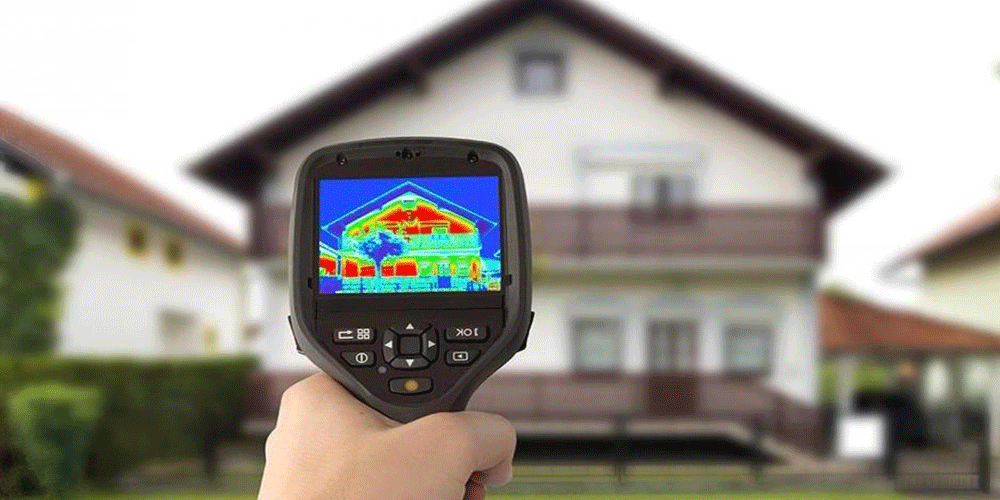
Thermal imaging uses infrared cameras to detect temperature differences across surfaces. The result is a visual output, called a thermogram, that highlights hot and cold spots within a building.
These images reveal issues that aren’t visible to the naked eye, such as:
- Heat escaping through walls or roofs
- Cold air entering through gaps
- Hidden moisture or insulation defects
Originally used across industries like electrical diagnostics and maintenance, thermal imaging has become a powerful tool in building inspections.
How It Works
Every object emits heat in the form of infrared radiation. Thermal cameras detect this radiation and translate it into a colour-coded image:
- Red/yellow = warmer areas
- Blue/green = cooler areas
This contrast allows inspectors to quickly identify anomalies, such as insulation gaps or air leaks.
Accurate results depend on factors like weather conditions, building materials, and proper calibration, one reason professional inspections are often more reliable than DIY attempts.
Understanding the Building Envelope
The building envelope refers to everything that separates the indoors from the outdoors:
- Walls
- Roof
- Windows and doors
- Foundations
When functioning properly, the envelope regulates temperature, airflow, and moisture. But even small weaknesses can lead to significant energy loss.
Common Issues Found
Thermal imaging frequently uncovers:
- Air leaks around windows, doors, and joints
- Poor insulation in walls or attics
- Thermal bridging, where heat bypasses insulation
- Moisture intrusion, which can lead to mould or damage
Left unresolved, these problems can drive up heating and cooling costs.
Key Benefits of Thermal Imaging Inspections
1. Detect Heat Loss and Air Leaks
Thermal imaging makes invisible inefficiencies visible. Cold patches on walls or ceilings often indicate missing insulation or drafts.
Fixing these issues not only reduces energy waste but also improves indoor air quality by preventing outside pollutants from entering.
2. Improve Energy Efficiency
Once problem areas are identified, you can prioritise upgrades such as:
- Adding insulation
- Sealing gaps
- Upgrading windows
- Optimising HVAC systems
These improvements lead to lower energy consumption and long-term savings.
3. Reduce Costs Over Time
While there’s an upfront cost for an inspection, the long-term financial benefits can be significant:
- Lower monthly energy bills
- Reduced strain on heating and cooling systems
- Longer equipment lifespan
In some cases, energy-efficiency upgrades may also qualify for grants or tax incentives.
Should You Hire a Professional?
While DIY thermal cameras are available, interpreting the results accurately requires training and experience.
A professional inspector will:
- Use high-grade equipment
- Understand building science principles
- Provide a detailed report with actionable recommendations
In most cases, the savings gained from accurate diagnosis outweigh the initial inspection cost.
What to Expect During an Inspection
A typical inspection includes:
- Scanning walls, ceilings, roofs, and windows
- Identifying temperature anomalies
- Assessing insulation performance
Afterward, you’ll receive a report outlining:
- Key problem areas
- Recommended fixes
- Potential cost savings
Most inspections take between 1–3 hours, depending on the size of the property.
Real-World Results
Residential Example
A homeowner struggling with high winter heating bills discovered major air leaks and poor attic insulation through a thermal inspection. After sealing gaps and upgrading insulation, their heating costs dropped by around 25% in the following season.
Commercial Example
An office building undergoing an energy audit revealed thermal bridging and inadequate insulation. After improvements were made, the building achieved roughly a 20% reduction in energy costs, a substantial saving at scale.
Final Thoughts
Thermal imaging inspections offer a practical, data-driven way to improve energy efficiency. By identifying exactly where energy is being lost, they allow you to take targeted action, saving money while improving comfort.
With energy costs unlikely to fall anytime soon, investing in this kind of insight is a smart move for both homeowners and businesses.
FAQs
How much does a thermal imaging inspection cost?
Typically £300–£700 for residential properties and £700 – £2000+ for commercial buildings, depending on size and complexity.
How long does it take?
Usually between 1 and 3 hours.
Can I do it myself?
You can, but professional inspections are far more accurate and reliable.
How often should I get one?
Every few years, or after major renovations or insulation upgrades.
What improvements might be needed?
Common fixes include sealing air leaks, adding insulation, upgrading windows, and improving HVAC efficiency.
Need a Thermal Imaging Inspection?
If you’re looking to reduce energy costs and improve building performance, a professional thermal imaging inspection is a strong first step. An expert assessment can quickly identify inefficiencies and provide clear guidance on how to fix them, helping you save money and future-proof your property.