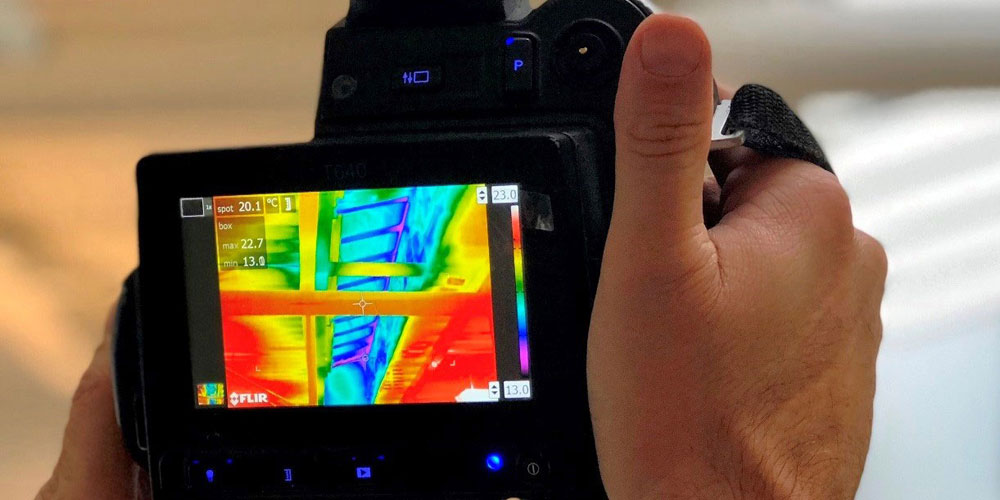
Thermal Imaging & Modern Data Centres
Why Thermal Imaging Is Essential for Modern Data Centres
In a digital-first world, data centres sit at the core of nearly every business operation. As demand for processing power continues to grow, server rack densities are increasing, and with them, energy consumption, heat output, and maintenance challenges.
Yet many facilities managers remain unaware of a critical risk: failing to carry out annual electrical thermal imaging inspections on key assets can, in some cases, invalidate building insurance in the event of serious incidents such as electrical fires.
Thermal imaging is no longer a “nice to have” — it’s a fundamental part of modern data centre risk management.
Unmatched Visibility Into Heat Patterns
Traditional temperature sensors only monitor specific points. Thermal imaging, by contrast, provides a complete, real-time picture of heat distribution across the entire facility.
From server racks and power distribution units to cooling systems and switchgear, thermal cameras reveal what conventional monitoring systems often miss. Hotspots can develop in minutes, long before alarms are triggered.
A blocked vent, failing fan, or overloaded circuit may seem minor, but each can rapidly escalate into a serious issue. Thermal imaging allows operators to detect these anomalies instantly and act before they become critical.
Preventing Downtime and Hardware Failure
In high-density data centre environments, even small temperature increases can have significant consequences. Excess heat accelerates component degradation, shortens equipment lifespan, and can trigger performance throttling.
In more severe cases, overheating can result in unexpected shutdowns or catastrophic failure.
For facilities operating under strict uptime requirements, this level of risk is unacceptable. Thermal imaging provides early warning, enabling teams to intervene before issues impact performance or availability.
Enabling Predictive Maintenance
One of the greatest strengths of thermal imaging lies in its ability to support predictive maintenance.
By conducting regular thermal surveys, operators can track temperature trends over time and identify subtle changes that indicate developing faults. This proactive approach allows teams to:
- Schedule maintenance before failures occur
- Reduce emergency callouts
- Extend the lifespan of critical assets
- Improve overall system reliability
Thermal imaging also highlights airflow inefficiencies, recirculation zones, and cooling imbalances, helping teams fine-tune performance across the facility.
Improving Energy Efficiency and Sustainability
Cooling systems account for a significant portion of a data centre’s energy usage. Even small inefficiencies can lead to substantial energy waste and increased operational costs.
Thermal imaging helps identify:
- Over-cooled areas
- Localised hotspots
- Airflow imbalances
- Cooling system inefficiencies
By addressing these issues, operators can reduce energy consumption without compromising performance. This not only improves Power Usage Effectiveness (PUE) but also supports sustainability targets and regulatory compliance.
From Reactive to Proactive Operations
Ultimately, thermal imaging transforms how data centres are managed. Instead of reacting to alarms or failures, operators gain continuous insight into the thermal health of their infrastructure.
This enables teams to:
- Make informed, data-driven decisions
- Optimise system performance
- Reduce operational risk
- Maintain high levels of uptime and reliability
As digital demand continues to accelerate, thermal imaging has become an indispensable tool, not just for troubleshooting, but as a strategic asset that underpins resilience and long-term operational stability.
Why Choose APT for Your Data Centre Thermal Imaging Inspection?
At APT, we take a structured, detail-driven approach to every thermal imaging survey.
We begin with a thorough consultation to understand your specific requirements, followed by a comprehensive site assessment to identify potential risks and optimise the inspection process. This ensures efficient delivery and complete coverage of critical assets.
What You Can Expect:
- ITC-certified Level 3 thermographer
- High-resolution FLIR T-Series thermal imaging cameras (640 × 480)
- Full reporting suite including:
- Executive summary and fault overview
- Elevation inventory
- Detailed fault analysis with root cause insights and remedial recommendations
- Baseline infrared and digital imagery (100% coverage)
- Application of advanced thermal indexing techniques
- Eco-friendly digital report delivered within 24 hours
About the Author
Darren Helliwell is a building performance specialist with over 25 years of hands-on experience in thermal imaging, air tightness testing, and building diagnostics.
He has worked on major projects including Battersea Power Station, the Imperial War Museum, and Harrods, helping design teams and contractors improve building performance through advanced testing techniques.
Using infrared thermography, blower door testing, and smoke analysis, Darren and his team identify hidden air leaks, insulation defects, and thermal bridging, enabling targeted, energy-efficient improvements across both new-build and refurbishment projects.
His mission is to help the construction industry deliver airtight, high-performance buildings that reduce energy consumption and long-term operational costs.
Get in Touch
If you’d like to learn more about thermal imaging for your data centre, contact us directly:
📧 info@aptsoundtesting.co.uk
📞 01525 303 905
Or reach out to discuss how we can support your project with expert testing and fast, reliable results.