Guide to Thermal Imaging Surveys
Thermal Imaging Surveys: Identifying Building Defects
When it comes to maintaining the health, performance and energy efficiency of a building, thermal imaging surveys are an invaluable diagnostic tool. Using advanced infrared technology, thermal cameras can detect temperature variations that are invisible to the naked eye, helping to uncover hidden problems before they become costly repairs.
From identifying heat loss and insulation issues to detecting water leaks, dampness, air infiltration and potential structural defects, thermal imaging provides a fast, non-invasive way to assess a building’s condition.
At APT Sound Testing, we have over 15 years of experience carrying out professional building thermographic surveys throughout England and Wales. Our detailed thermal imaging reports provide the information required by construction and insurance companies, facility managers, Building Control and BREEAM assessors, making them suitable for a wide range of industrial, commercial and residential applications.
What Is a Thermal Imaging Survey?
Thermal imaging, also known as thermography, is a technique used to detect infrared radiation emitted by objects and surfaces.
Although infrared radiation cannot be seen by the human eye, specialist thermal cameras can detect it and convert temperature variations into a visual image. Different temperatures are represented by different colours, allowing trained thermographers to identify unusual thermal patterns and potential defects.
These thermal anomalies can provide valuable evidence of issues such as:
- Excessive heat loss caused by damaged, missing or inadequate insulation
- Moisture ingress caused by water leaks or damp
- Overheating electrical components and potential electrical faults
- Thermal bridging around windows, doors and other areas of the building envelope
- Air leakage and infiltration through gaps and poorly sealed areas
- Potential structural defects associated with changes in thermal performance
Because thermal imaging is non-destructive, surveys can often be completed without opening up walls, ceilings or floors, making them a cost-effective first step when investigating suspected building defects.
Thermal Imaging Surveys for Commercial Buildings
A thermal imaging survey can provide valuable information about the thermal performance of a commercial building, often at minimal cost compared with more invasive investigation methods.
At APT Sound Testing, we are a first port of call for many surveyors and building professionals requiring a professional thermal imaging defects survey.
An infrared survey can identify much more than simple heat loss. It can be used to investigate:
Building Energy Efficiency
A thermal imaging survey can highlight areas where heat is escaping from a building. Identifying the areas with the greatest heat loss can help property owners prioritise improvements and potentially reduce energy consumption and operating costs.
Damp Walls, Ceilings and Floors
Thermal imaging can help identify temperature patterns associated with water ingress and dampness, including suspected leaks from flat roofs, roof lights and other areas of the building envelope.
Water Leaks
Infrared surveys can assist in locating suspected leaks within building water systems, particularly where pipework or other services are concealed and difficult to access.
Thermal Bridging
Thermal bridges can occur where insulation is missing, ineffective or interrupted. Common problem areas include door and window reveals, heads and other junctions within the building envelope.
Missing or Damaged Insulation
Poor workmanship, deterioration or damage can result in missing or ineffective insulation. Thermal imaging can reveal the resulting cold spots within walls, floors and roofs, helping identify areas that may require further investigation.
Air Infiltration
Cold draughts entering through gaps in the building envelope can affect occupant comfort and increase energy consumption. Thermal imaging can help identify areas where unwanted air infiltration may be occurring.
Excessive Air Leakage
Warm air escaping through the building envelope can waste energy and make it more difficult to maintain comfortable internal temperatures. During warmer months, unwanted heat gain can also contribute to increased cooling requirements.
Thermal Imaging House Surveys for Reducing Heat Loss
Thermal imaging isn’t just for commercial properties. Residential thermal imaging surveys can provide homeowners, landlords, surveyors and property professionals with valuable information about the thermal performance of a property.
A thermal camera survey can investigate a range of potential problems, including:
- Energy efficiency and heat loss – identifying areas where energy-saving improvements could have the greatest impact.
- Damp walls, ceilings and floors – helping investigate potential water ingress, dampness and suspected leaks from roofs or around chimneys.
- Water leaks – identifying thermal patterns associated with leaks from underfloor heating systems and concealed pipework.
- Thermal bridging – detecting areas of missing or ineffective insulation around windows, doors and other junctions.
- Missing or damaged insulation – identifying cold spots that may indicate poor installation, deterioration or missing insulation.
- Air infiltration – highlighting areas where cold air may be entering through the building envelope.
- Air leakage paths – identifying areas where warm air is escaping, potentially wasting energy and affecting indoor comfort.
By highlighting these problem areas, a thermal imaging survey can help property owners make better-informed decisions about insulation, repairs and energy-efficiency improvements.
BREEAM Thermal Imaging Surveys
Thermal imaging has become an important part of BREEAM assessments, the internationally recognised environmental assessment and rating system for buildings.
BREEAM sets standards for sustainable building design, construction and operation. Both BREEAM New Construction and BREEAM Domestic Refurbishment recognise the importance of thermal imaging in assessing insulation continuity, with credits available where surveys are carried out in accordance with the relevant requirements by an appropriately qualified thermographer.
At APT Sound Testing, we have been providing professional BREEAM thermal imaging surveys for over a decade, helping clients demonstrate insulation continuity and identify potential defects within the building envelope.
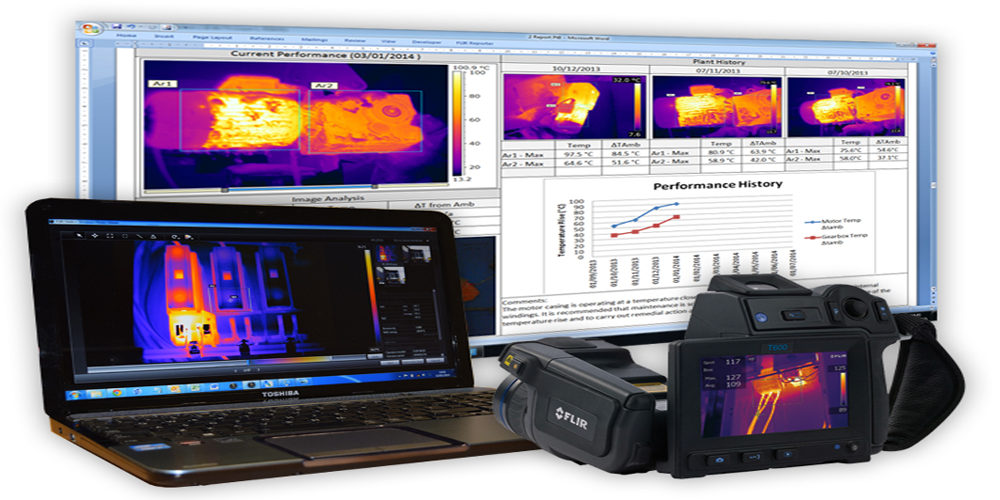
Our infrared inspections are carried out by Level 3 certified thermographers using high-resolution FLIR thermal imaging cameras. This combination of specialist expertise and advanced equipment enables us to provide accurate, detailed and reliable thermal imaging reports for every project.
Why Choose APT Sound Testing?
A professional thermal imaging survey can provide valuable insight into problems that may otherwise remain hidden. Whether you’re investigating heat loss in a home, checking insulation continuity on a new-build development, assessing a commercial property or supporting a BREEAM assessment, thermography can be a highly effective diagnostic tool.
With over 15 years of experience, extensive knowledge of building performance and Level 3 certified thermographers, APT Sound Testing provides professional thermal imaging surveys throughout England and Wales.
Our detailed reports are designed to provide clear, useful information for surveyors, construction companies, insurers, facility managers, Building Control and BREEAM assessors.
If you suspect your property has hidden heat loss, insulation problems, damp, water ingress or air leakage, a thermal imaging survey could help identify the issue quickly and without invasive investigation.