Category: Thermal Imaging

Thermal Imaging for Buildings

Thermal Imaging for Buildings

Thermal Imaging for Buildings: Improving Energy Efficiency and Safety

Thermal imaging technology is transforming the building industry by offering powerful insights into energy efficiency, safety, and maintenance. This technology uses infrared cameras to detect temperature variations within buildings, revealing hidden issues such as insulation deficiencies, moisture problems, and electrical faults. In this comprehensive guide, we will explore the benefits, applications, and advancements in thermal imaging surveys for buildings, and how it can significantly enhance building performance and safety.

What is Thermal Imaging?

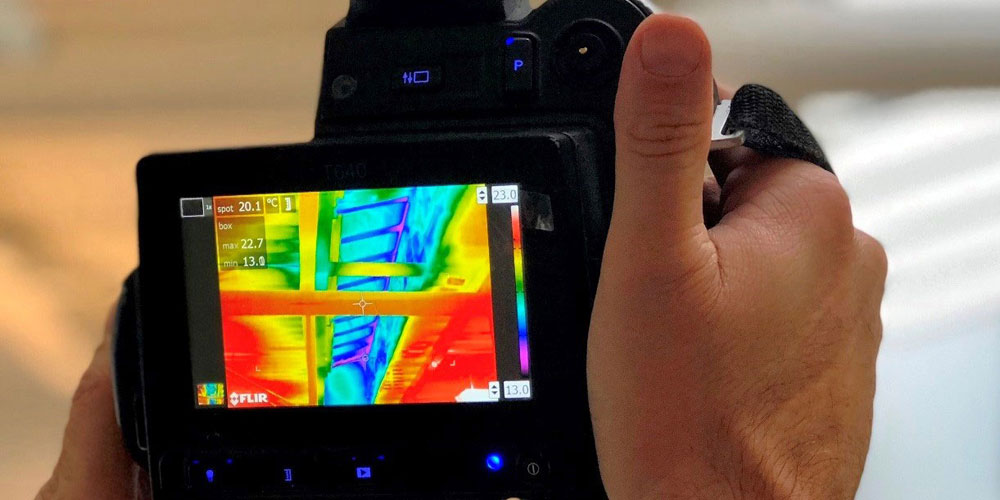
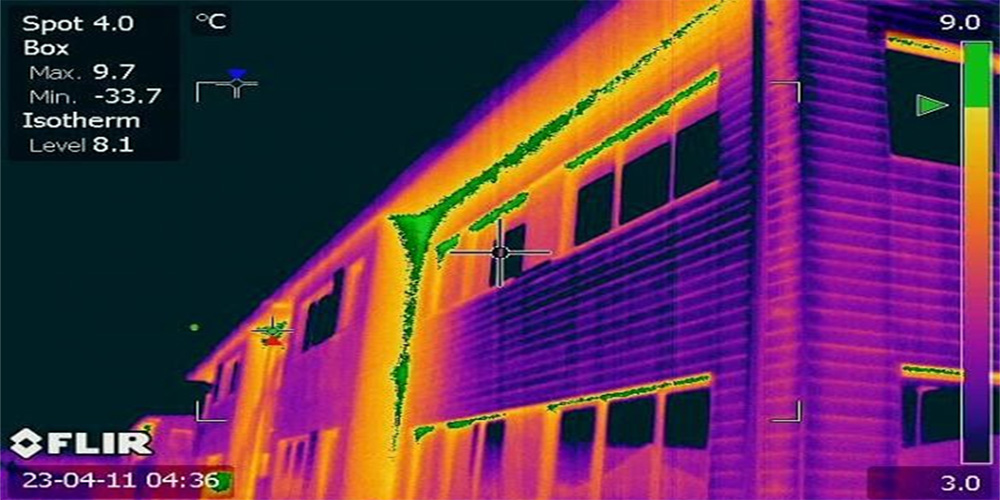
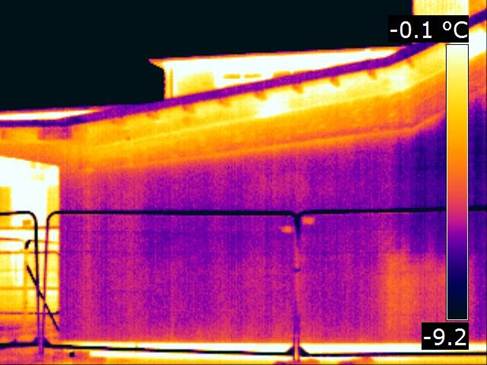
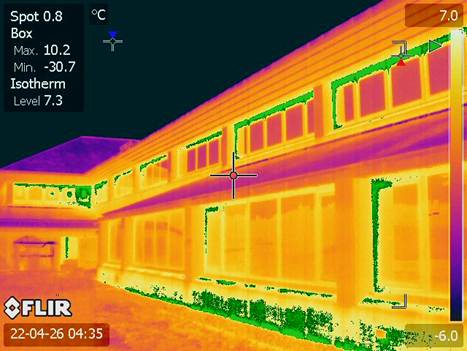
Thermal imaging, also known as thermography, is a technique that captures infrared radiation emitted by objects. Unlike visible light, infrared radiation is invisible to the human eye but can be detected by thermal cameras. These cameras convert infrared radiation into an image that displays temperature variations, with different colors representing different temperatures. This allows for the identification of thermal anomalies that could indicate potential problems within a building.

The Importance of Thermal Imaging surveys for Buildings

1. Improve Energy Efficiency

One of the primary applications of thermal imaging in buildings is to improve energy efficiency. By identifying areas of heat loss, such as poor insulation or air leaks, building owners can take corrective actions to reduce energy consumption and lower utility bills. Proper insulation and sealing of air leaks can also improve indoor comfort and reduce the building’s carbon footprint.

2. Improve Preventive Maintenance

Thermal imaging is an invaluable tool for preventive maintenance. Regular thermal inspections can detect potential issues before they become serious problems. For example, thermal cameras can identify overheating electrical components, which could indicate a risk of fire. Early detection allows for timely repairs, preventing costly damage and ensuring the safety of building occupants.

3. Identify Moisture Detection

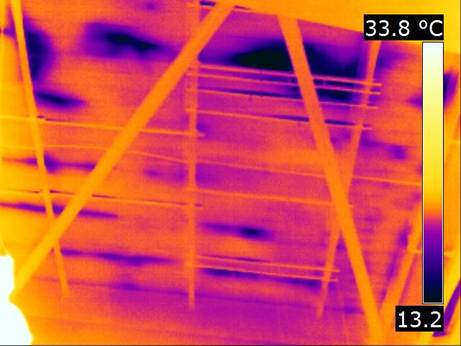
Moisture intrusion can cause significant damage to a building’s structure and lead to mold growth, which poses health risks to occupants. Thermal imaging can identify areas of moisture buildup that are not visible to the naked eye. By pinpointing these areas, building owners can address the source of moisture and prevent further damage.

4. Enhanced Building Assessments

Thermal imaging provides valuable data for building assessments, including pre-purchase inspections, energy audits, and facility management. It offers a non-invasive and efficient method to evaluate the condition of a building’s structure and systems. This information can be used to make informed decisions about repairs, upgrades, and maintenance.

Applications of Thermal Imaging for Different Buildings

Residential Buildings

In residential buildings, thermal imaging is used to identify insulation deficiencies, air leaks, and moisture problems. Homeowners can use thermal images to prioritise home improvement projects, ensuring that their homes are energy-efficient and safe. Thermal inspections can also be part of regular home maintenance, providing peace of mind and protecting the value of the property.

Commercial Buildings

Thermal imaging plays a crucial role in maintaining the performance and safety of commercial buildings. It is used to inspect HVAC systems, electrical panels, and roofing systems. By identifying potential issues early, building managers can schedule maintenance and repairs to minimise disruptions and extend the lifespan of building systems.

Industrial Facilities

In industrial facilities, thermal imaging is used to monitor critical equipment and machinery. It helps in detecting overheating components, insulation failures, and other issues that could lead to equipment failure or downtime. Thermal inspections contribute to the overall efficiency and safety of industrial operations.

Advancements in Thermal Imaging Technology

Thermal imaging technology has advanced significantly in recent years, making it more accessible and effective for building applications. Some of the key advancements include:

High-Resolution Thermal Cameras

Modern thermal cameras offer high-resolution imaging, providing detailed and accurate temperature data. This allows for precise identification of thermal anomalies and improves the overall quality of thermal inspections.

Integration with Drones

The integration of thermal cameras with drones has revolutionised the way thermal inspections are conducted. Drones equipped with thermal cameras can quickly and safely inspect large areas, such as building exteriors and roofs, without the need for scaffolding or ladders. This increases the efficiency and safety of thermal inspections.

AI and Machine Learning

Artificial intelligence (AI) and machine learning are being integrated into thermal imaging systems to enhance data analysis. These technologies can automatically identify patterns and anomalies in thermal images, providing faster and more accurate diagnostics. AI-powered thermal imaging systems can also predict potential issues based on historical data, enabling proactive maintenance.

How to Implement your Thermal Imaging for your Building Inspection

Implementing a robust thermal imaging inspection for you building, involves several steps:

1. Selection a company with the correct Training and Certification

Selecting a company that has the proper training is essential for effective thermal imaging survey. Certification demonstrates the company’s expertise and will ensure the reportage is of the highest quality.

2. Good quality Thermal Cameras are essential

Check that your nominated company, uses the highest quality thermal camera that meets your needs based on resolution, sensitivity, and other features. Consider factors such as the size of the building, the type of inspections you will conduct. A minimum specification should be a 640 x 480 resolution.

2. Training and Certification

Choosing a thermal imaging company with proper training is essential for effective thermal imaging. Our engineers are trained to Level 3 which is the highest in the industry. Level 3 certification demonstrates the company’s expertise and knowledge in the thermal imaging field.

3. Conducting Comprehensive Inspections

We plan our thermal imaging inspections to cover all critical areas of the building. We capture thermal images of insulation, windows, doors, electrical panels, HVAC systems, and other components. We carefully document our findings and compare thermal images over time to track changes and identify emerging issues via our trend analysis software.

4. Analysing and Reporting

We carefully analyse the thermal images to identify anomalies and determine their cause. We create detailed reports that include thermal images, descriptions of the issues, and recommendations for corrective actions. We then use the reports to communicate our findings to building owners and stakeholders.

Conclusion

Thermal imaging is a powerful tool that offers numerous benefits for building inspections, including improved energy efficiency, preventive maintenance, and moisture detection; however, it’s always best to have it undertaken by an experienced company using the correct equipment. By implementing thermal imaging in building inspections, building owners and managers can ensure the safety, performance, and longevity of their properties.

Contact us now

For more information our thermal imaging services, please contact APT Sound Testing on 07775 623464 or email us at info@aptsoundtesting.co.uk

# About the Author

Darren Helliwell is a building performance specialist with over 25 years of hands-on experience leveraging thermal imaging, blower door testing, and smoke analysis to optimise air tightness in both new-build and refurbishment projects such as Battersea Power Station, Imperial War Museum and Harrods.

Using advanced infrared thermal imaging cameras alongside state-of-the-art blower door and smoke-testing equipment, Darren’s team delivers detailed thermographic surveys across residential and commercial buildings. These thermal imaging surveys pinpoint invisible air leaks, identify insulation defects, and reveal thermal bridging—empowering architects, contractors, and property owners to make targeted, energy-saving improvements.

Darren’s ongoing mission is to help design teams and contractors harness the power of thermal imaging to achieve truly airtight, energy-efficient building envelopes. By reducing heat loss and driving down energy bills, his thermography expertise supports sustainable, cost-effective construction and refurbishment outcomes.

Connect with Darren Helliwell: 

[Thermal Imaging Surveys] Thermal Imaging Surveys | APT Building Thermography Reports 

[APT Email] info@aptsoundtesting.co.uk  

[LinkedIn] https://www.linkedin.com/in/darren-helliwell-78789b26

Electrical Thermal Imaging

Electrical Thermal Imaging

Thermal Imaging: BREEAM Compliance, Inspections & FLIR Certification

In the world of smart building management and sustainable construction, electrical thermal imaging has become a vital tool for maintaining the health and efficiency of modern infrastructure. By using infrared technology to visualise heat patterns within electrical systems, this approach allows technicians to detect potential issues early, before they become costly or dangerous.

Beyond its value in maintenance and safety, thermal imaging also plays a key role in helping buildings meet the rigorous standards of BREEAM — the Building Research Establishment Environmental Assessment Method. This widely recognized sustainability certification evaluates the environmental performance of buildings, with energy efficiency and safety being central pillars. In this guide, we’ll explore how thermal imaging supports BREEAM compliance, how inspections are conducted, and why FLIR camera certification is crucial for reliable results.


What is Electrical Thermal Imaging?

Electrical thermal imaging is the process of using infrared cameras to detect and visualize heat emitted from electrical components. Every electrical system generates some level of heat during normal operation. However, excess heat, or hot spots, often indicates problems such as:

  • Overloaded circuits
  • Loose or corroded connections
  • Worn-out insulation
  • Failing components

Thermal imaging cameras convert these invisible heat signatures into visible images called thermograms. These images display temperature variations using color gradients, allowing technicians to pinpoint abnormal conditions that could lead to equipment failure, fire hazards, or energy waste.


Why Thermal Imaging Matters for BREEAM Compliance

For architects, engineers, and building managers pursuing BREEAM certification, thermal imaging is more than a diagnostic tool — it’s a strategic asset. BREEAM emphasizes energy efficiency, sustainability, and long-term performance. Thermal imaging contributes in the following ways:

  • Detecting energy inefficiencies such as heat loss, poor insulation, or air leakage
  • Identifying underperforming electrical systems, enabling proactive repairs and upgrades
  • Ensuring occupant safety by spotting potential fire risks in electrical infrastructure

By addressing these issues through regular thermal inspections, buildings can align more closely with BREEAM’s benchmarks, improving their chances of earning credits and enhancing overall environmental performance.


Conducting Thermal Imaging Inspections: Step-by-Step

Carrying out an effective electrical thermal inspection involves more than pointing a camera and snapping images. It requires planning, precision, and expertise. Here’s a breakdown of the inspection process:

1. Preparation

Before any inspection begins, a clear scope must be defined. This includes identifying which systems and components will be assessed and ensuring they are operating under normal load conditions. This is critical because electrical systems need to be energized and under load to produce useful thermal patterns.

Additionally, safety measures must be in place. Inspectors should wear the appropriate personal protective equipment (PPE) and follow relevant health and safety protocols, especially when working in live environments.

2. Data Collection

Once on-site, technicians use thermal imaging cameras to scan electrical panels, distribution boards, circuit breakers, transformers, and other components. Images are taken from multiple angles and distances to ensure thorough coverage.

The camera settings, including emissivity, reflected temperature, and focus, must be properly adjusted for accurate results. Inconsistent settings can distort readings and lead to incorrect conclusions.

3. Image Analysis and Interpretation

Interpreting thermograms is where skill and experience come into play. Normal temperature variations are expected, but sudden spikes or irregular patterns may signal issues. Key signs to look for include:

  • Localized hot spots
  • Unusual temperature gradients
  • Components significantly hotter than their peers

Each observation must be logged and analyzed in context. For example, a hot breaker might indicate overload, but it could also be the result of ambient temperature or reflective surfaces. Technicians must rule out false positives and identify the root cause.

4. Reporting and Action

A good thermal inspection doesn’t stop with image capture. Inspectors generate a comprehensive report that includes:

  • Annotated thermographic images
  • Temperature readings
  • Identified faults and severity levels
  • Recommended corrective actions

When performed in line with BREEAM requirements, these reports also highlight how the inspection supports building sustainability goals, such as reducing energy loss or preventing future system failures.


FLIR Camera Certification: Why It Matters

FLIR Systems is one of the most trusted names in thermal imaging technology. Their cameras are widely used in industries ranging from building diagnostics to electrical engineering. However, simply owning a FLIR camera isn’t enough. Technicians must be properly trained and certified to get the most accurate results.

What is FLIR Certification?

FLIR camera certification is a formal recognition that a technician has completed specific training in the use of infrared cameras. It ensures they can:

  • Operate the camera correctly under various conditions
  • Adjust settings for different surfaces and materials
  • Accurately interpret thermal images
  • Identify real faults versus normal temperature variations

Certification Process

To achieve certification, technicians usually undergo training courses (Level 1, Level 2, etc.) that cover both theoretical and practical aspects of thermography. Topics include:

  • Principles of heat transfer and infrared science
  • Best practices for thermal image capture
  • Common faults in electrical systems
  • Reporting techniques and compliance requirements

After training, technicians must pass proficiency exams to demonstrate their skills. This process guarantees that inspections are carried out by professionals capable of delivering reliable, actionable data.


Practical Applications of Electrical Thermal Imaging

Thermal imaging has evolved beyond just electrical fault detection. Today, it’s used in a wide range of building and energy applications:

Building Diagnostics

Thermal imaging reveals more than electrical issues—it can detect:

  • Heat loss through windows and roofs
  • Moisture intrusion and leaks
  • HVAC inefficiencies

These insights help property managers schedule preventative maintenance and avoid costly repairs.

Energy Audits

Thermal scans are a vital part of energy assessments. By visualizing energy loss and inefficiencies, organizations can prioritize upgrades that reduce carbon footprints and utility costs, an important factor in BREEAM scoring.

Continuous Monitoring

In critical infrastructure and industrial settings, thermal cameras can be installed for ongoing system monitoring. This enables early detection of faults, enhances uptime, and supports predictive maintenance strategies.


Electrical Thermal Imaging

Electrical thermal imaging is a smart, non-invasive way to keep buildings safe, efficient, and sustainable. From identifying hidden electrical faults to supporting compliance with BREEAM standards, it plays a critical role in modern facilities management.

But the value of thermal imaging depends on the people and tools behind it. With FLIR-certified technicians and carefully planned inspections, organizations can confidently diagnose issues, optimize energy use, and uphold the highest standards of building performance.

Whether you’re managing a commercial property, planning a retrofit, or aiming for green building certification, thermal imaging should be an essential part of your strategy.

Thermal Imaging Cameras

Thermal Imaging Cameras

Quality Thermal Imaging Cameras & Building Surveys

When we undertake thermal imaging surveys, we only use the FLIR P6n thermal imaging cameras, as they are an excellent choice for BREEAM requirements, due to its high resolution, sensitivity, and advanced features. Here are some key specifications that make it suitable for our BREEAM thermal imaging surveys:

High Resolution

The FLIR P6n offers a high resolution of 640 × 480 pixels. This high resolution ensures detailed thermal images, allowing for accurate identification of temperature variations and potential issues in building structures. The higher the resolution the more detail we can provide to clients.

High Thermal Sensitivity (NETD)

The camera has a very thermal sensitivity (Noise Equivalent Temperature Difference, NETD) of less than 0.03°C. This high sensitivity allows the camera to detect even the smallest temperature differences, making it ideal for identifying insulation deficiencies, air leaks, and other subtle thermal anomalies that many other cameras simply miss.

Wide Temperature Range

The FLIR P6n can measure temperatures ranging from -40°C to 650°C. This wide temperature range makes it versatile for various applications, including detecting heat loss, moisture infiltration, and electrical malfunctions.

Wide Field of View (FOV)

The camera features a field of view (FOV) of 25° × 19°. This FOV is suitable for capturing comprehensive thermal images of building envelopes, ensuring thorough inspections during BREEAM thermal imaging surveys. This wide FOV captures more detail within a single image.

Additional Features

One of the most important features of the FLIR P6n is its MSX® image enhancement, which overlays thermal images with visual details for better clarity and context.

Another great feature is the built-in GPS for geotagging images, making it easier to document and reference specific locations during surveys.

These specifications make the FLIR P6n thermal imaging camera a powerful tool for conducting BREEAM thermal imaging surveys, ensuring accurate and reliable results that contribute to the overall sustainability and efficiency of buildings.

Saving money by investing in a thermal imaging survey

Investing in thermal imaging surveys ultimately translates into significant cost savings for businesses. By identifying potential failures before they occur, organisations can undertake preventative maintenance that is far less costly than emergency repairs. For example, the cost of replacing an overheated electrical component after a fire incident far exceeds the cost of conducting routine thermal imaging inspections to catch the issue early. Moreover, improved energy efficiency resulting from identifying HVAC and insulation issues can lead to substantial reductions in utility bills. For large buildings, these savings can accumulate to significant figures over time.

As such, thermal imaging surveys not only enhance safety but also provide a solid return on investment through preventative measures and efficiency improvements. That’s why Thermal Imaging has been embraced by BREEAM and Building Regulation Part L.

Our Premium Thermal Imaging Service for Buildings

  • Supply of an ITC trained Level 3 thermographer
  • We use large format FLIR P6n-Series (640×480 resolution) thermal imaging cameras.
  • Comprehensive report to include Introduction and fault cover pages, summary problem pages, elevation inventory,
  • Detailed fault documentation pages with possible root cause and remedial recommendation (isotherm included if using equations), baseline IR and DC image of every elevation (100% coverage-no isotherm)
  • Application of thermal indexing formulas
  • Eco Friendly Email Report
  • Reports provided within 24 hours – contract dependant

Please contact us for more information If you would like to contact us for more information on our thermal imaging services, please contact us on 07775 623464, or email us at info@aptsoundtesting.co.uk.   

We undertake sound testing on all types of residential buildings and commercial buildings. We also undertake sound testing on schools and buildings containing rooms for residential purposes.

Our team of experienced sound test engineers are dedicated to giving our customers the best quality of service and offer acoustic design advice where possible, to help our clients achieve the required acoustic results to pass the sound testing and attain building completion. We can also undertake ‘in house’ UKAS accredited air tightness testing in one seamless package, lowering costs and negating coordination issues.

# About the Author

Darren Helliwell is a building performance specialist with over 25 years of hands-on experience leveraging thermal imaging, blower door testing, and smoke analysis to optimise air tightness in both new-build and refurbishment projects such as Battersea Power Station, Imperial War Museum and Harrods.

Using advanced infrared thermal imaging cameras alongside state-of-the-art blower door and smoke-testing equipment, Darren’s team delivers detailed thermographic surveys across residential and commercial buildings. These thermal imaging surveys pinpoint invisible air leaks, identify insulation defects, and reveal thermal bridging—empowering architects, contractors, and property owners to make targeted, energy-saving improvements.

Darren’s ongoing mission is to help design teams and contractors harness the power of thermal imaging to achieve truly airtight, energy-efficient building envelopes. By reducing heat loss and driving down energy bills, his thermography expertise supports sustainable, cost-effective construction and refurbishment outcomes.

Connect with Darren Helliwell: 

[Thermal Imaging Surveys] Thermal Imaging Surveys | APT Building Thermography Reports 

[APT Email] info@aptsoundtesting.co.uk  

[LinkedIn] https://www.linkedin.com/in/darren-helliwell-78789b26