Thermal Imaging Inspections and Air Tightness Testing a Powerful Combination. The importance of thermographic inspections and air tightness testing cannot be understated when investigating the integrity of your commercial building envelope; it is also one of the only ways to accurately check that thermal insulation hidden in the structure meets the requirements for continuity of insulation.
in the case of new buildings, it is a requirement to carry out airtightness testing – once the designed air leakage rate has been established and once completed the measured air permeability is fed into the CO2 emissions calculations. In the case of existing buildings, the guidance on continuity of insulation only applies where new thermal elements (for example walls, floors, and roofs.) are provided, for example when an extension is built. There are no requirements for CO2 emissions calculations or air-tightness testing on existing buildings; although this may be a client requirement.
Thermal Imaging Inspections & Air Tightness Testing a Powerful Combination
Regulation 43 of the Building Regulations for England and Wales requires air pressure testing to be carried out on all new buildings, in order to be satisfied that provision has been made to limit heat gains and losses through the building fabric. This includes heat transfer by air leakage. For new dwellings, Building Regulations Approved Document L1A [1] requires air tightness testing be carried out on a representative sample of dwellings – although this has since been changed to all dwellings. Approved Document L2A relating to new buildings other than dwellings requires an air leakage test to be carried out on all buildings subject to the regulations in accordance with the standard test method.
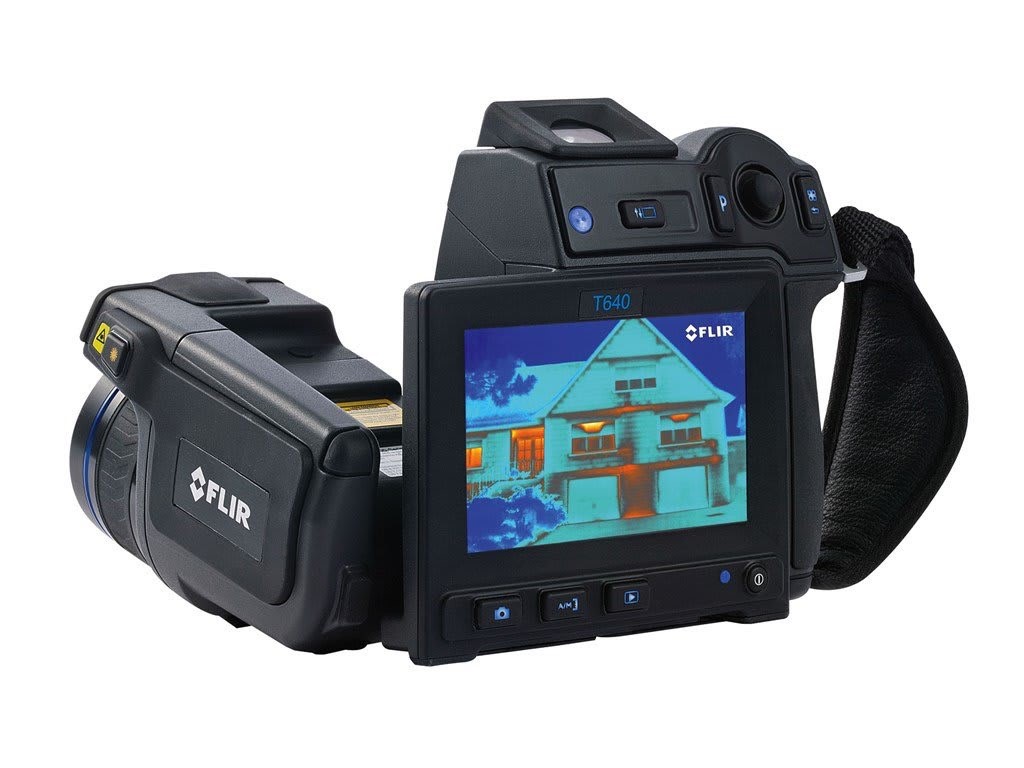
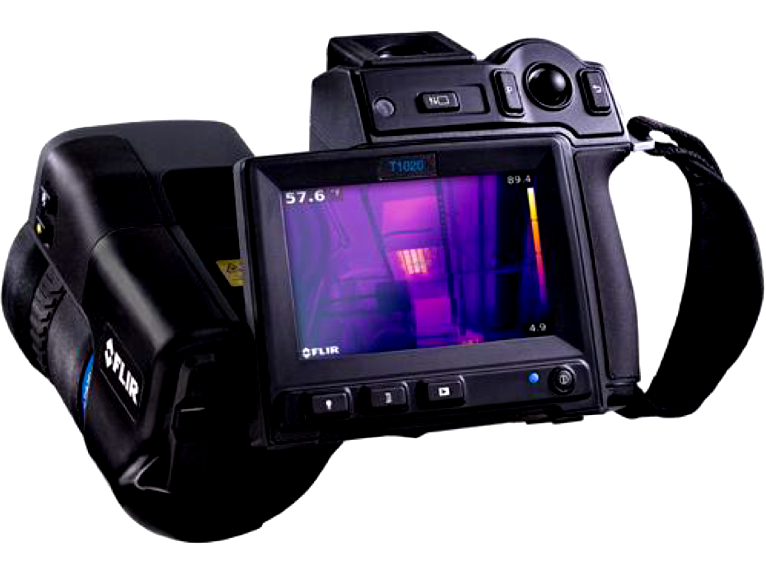
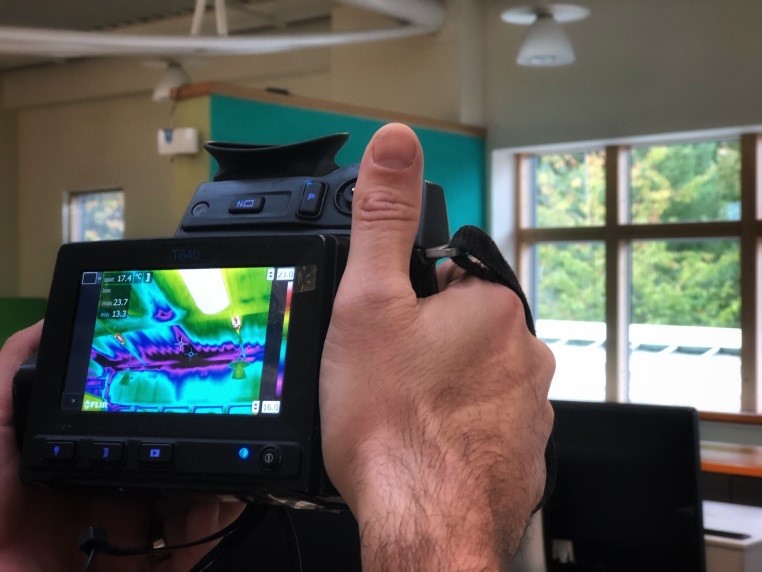
APT Sound Testing uses the latest Flir high resolution thermal imaging cameras for all our surveys and our thermographic engineers hold a minimum of Level 2 certification – the minimum required to undertake BREEAM thermal surveys.
If you would like more information on our Thermographic Building Inspection service, please contact us at info@aptsoundtesting.co.uk or call us on: 01525 303905
Thermal Building Inspections in London Thermographic surveys are an indispensable tool for demonstrating where heat is being lost in your commercial buildings in London. Most of our customers are very surprised at mount of the sources of heat loss we uncover on their buildings. The problems can be cold draughts emanating through air leakage paths/cracks they hadn’t even noticed as well as missing insulation from whole sections of walls and/or floors which have been missed out by the insulation installation companies.
We will book in a convenient time to visit your commercial building in London; naturally this will depend on the time of year, in November-April the surveys can be undertaken fairly late in the morning; however, between May to October the surveys usually need to be undertaken between the hours of 03.00 – 05.00 to prevent solar loading etc. Sometimes due to the prevailing weather conditions such as heavy rain etc. we may need to cancel the test and rearrange for a more suitable weather conditions – we will always try to give our clients as much notice as possible if there is a the chance of cancellations.
When we have undertaken the thermographic inspection, we will discuss any problems we have encountered so you have an overview of the survey prior to us leaving site – obviously this takes more time but we feel it an important part of our service.
How long does will a Thermal Imaging Survey take?
This depends on the size and accessibility of your building, but it also depends how involved our clients want to be. We strongly encourage advise that a site representative is with us during the survey as the customers representative will know more about the building, and we can point out any issues which can then be answered on the spot. By having a ‘buddy’ working alongside us we will both learn more in the process, which will ultimately help us to help you. Overall we suggest our clients allow a minimum of 1 – 2 hours for a survey – especially if you have a lot of questions and it’s a large commercial building.
What type of Thermal Imaging Inspection report will I receive?
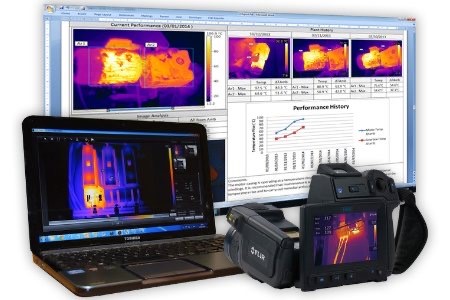
Usually within 1-2 days you will receive your thermal imaging report in PDF format, including copies of the images recorded, and our interpretation of what they are indicating
You might be interested to know that our Thermography Engineers are trained to minimum of Level 2, so the quality of the reportage is always of the highest quality.
Our Thermal Imaging Equipment
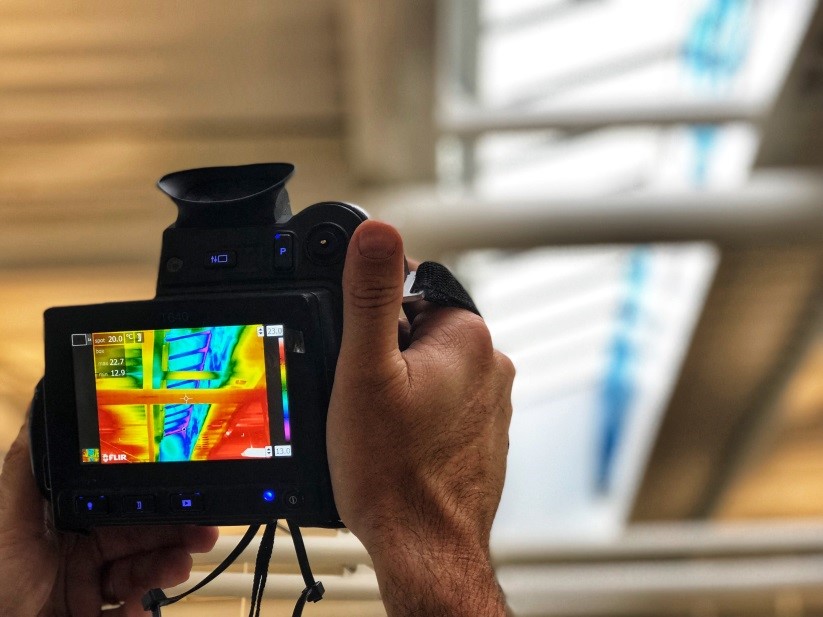
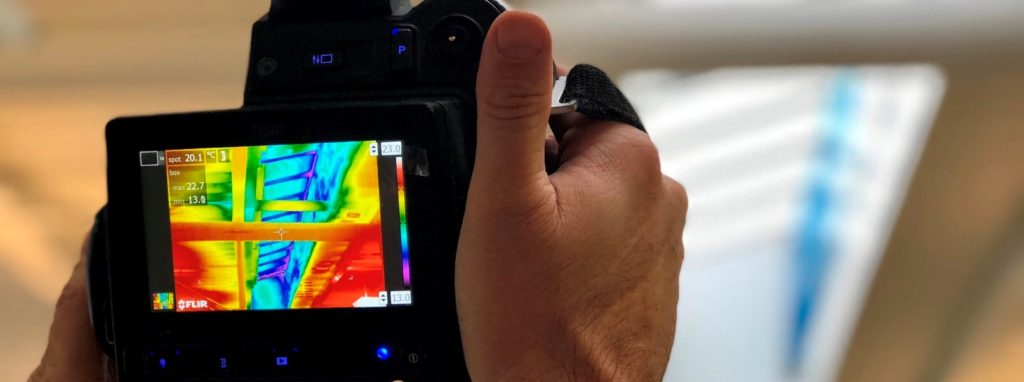
We use the latest Flir high resolution thermal imaging camera – our model is specifically designed for building thermography, with increased sensitivity incorporating a photographic image with an overlay of the thermal image, a feature which helps to put the latter into the context of its surroundings and offers our clients extra clarity when they are trying to reference the different areas of the buildings. We have 20 years’ experience working in a consultant thermography role so we bring a huge amount of experience to all our surveys.
It is worth noting that if a thermographic survey is being undertaken as part of a BREEAM assessment, the thermography engineer must be qualified to a minimum Level 2 – all our APT’s thermographic engineers hold a minimum of Level 2 certification. We use the latest Flir high resolution thermal imaging cameras for all our surveys. Thermal imaging is the only practical way of checking that thermal insulation hidden in the structure meets the requirements for continuity of insulation.
If you would like more information on our Thermographic Building Inspection service, please contact us at info@aptsoundtesting.co.uk or call us on: 01525 303905
Alternately for more information on our full range of thermal imaging inspection services, please visit our website at www.aptsoundtesting.co.uk
Thermal imaging is the best way to assess continuity of insulation once the building fabric is complete on commercial buildings. It is also a very effective method of locating air leakage paths in a completed building.
This article discusses the legal requirements in Building Regulations and also the availability of BREEAM credits for thermal imaging, as well as England & Wales Building Regulations and supporting guidance, specifically Part L (Conservation of Fuel and Power).
At the time of writing this publication, it was not known what form these would take. Building Regulations for England and Wales require that reasonable provision shall be made for the conservation of fuel and power in buildings by… limiting heat gains and losses… through thermal elements and other parts of the building fabric. This requirement is supported by guidance in four Approved Documents:
The above documents highlight the importance of thermal imaging for investigating the thermal performance of the building envelope. The four Approved Documents also provide the following guidance: “The building fabric should be constructed so that there are no reasonably avoidable thermal bridges in the insulation layers caused by gaps within the various elements, at the joints between elements, and at the edges of elements such as those around window and door openings”.
In the case of new dwelling and/or commercial buildings, linear transmittance values for the specific construction details used are fed into the CO2 emissions calculations required by Building Regulations Part L. Preference is given to accredited construction details by imposing a penalty in the CO2 emissions calculations for non-accredited details.
Also in the case of new buildings, it is a requirement to carry out airtightness testing – once the designed air leakage rate has been established and once completed the measured air permeability is fed into the CO2 emissions calculations. In the case of existing buildings, the guidance on continuity of insulation only applies where new thermal elements (for example walls, floors, and roofs.) are provided, for example when an extension is built. There are no requirements for CO2 emissions calculations or airtightness testing on existing buildings; although this may be a client requirement.
Regulation 43 of the Building Regulations for England and Wales requires air pressure testing to be carried out on all new buildings, in order to be satisfied that provision has been made to limit heat gains and losses through the building fabric. This includes heat transfer by air leakage. For new dwellings, Building Regulations Approved Document L1A [1] requires air pressure tests to be carried out on a representative sample of dwellings – although this has since been changed to all dwellings.
Approved Document L2A relating to new buildings other than dwellings requires an air leakage test to be carried out on all buildings subject to the regulations in accordance with the standard test method.
It is worth noting that if a thermographic survey is being undertaken as part of a BREEAM (Building Research Establishment Environmental Assessment Method) assessment, the thermographer must be qualified to a minimum Level 2 – all our APT’s thermographic engineers hold a minimum of Level 2 certification. We use the latest Flir high resolution thermal imaging cameras for all our surveys. Thermal imaging is the only practical way of checking that thermal insulation hidden in the structure meets the requirements for continuity of insulation.
More details for both our thermal imaging and air tightness testing services can be found on our website at www.aptsoundtesting.co.uk.
If you would like more information on our Themographic Building Inspection service, please contact us at info@aptsoundtesting.co.uk or call us on: 01525 303905
New homes are built to high standards; however, acoustics and noise control are important factors requiring careful consideration during design and specification, as well as pre-completion commissioning testing. Why choose APT Sound Testing? We provide full turnkey solution to help our clients achieve Building Regulations Part E compliance. We provide a professional acoustic consultancy service to help developers tackle the key issues. We have carried out thousands of sound insulation tests since 2006 so we have a large amount of experience in regards to Building Regulations Part E compliance.
Our Four Stages Areas of expertise of tackling sound are:
Acoustic Design During early design and construction process, we visit site to conduct a comprehensive acoustic design survey and review, we also take this opportunity to meet; where possible, the site/project manager, architects etc. The first stage of the acoustic design is to send through the design drawings – to include sections etc. so APT Sound Testing can review the design to check that the construction details proposed are capable of passing the sound tests. This usually takes place straight after planning has been approved as increased cost savings can be realised at the earliest stage.
APT Sound Testing will evaluate the construction methods and materials specified to ensure that they are capable of meeting the acoustic requirements of Approved document E. The typical areas we check are:
There are no flanking points, where isolated partitions are wrongly mechanically fixed together to caused noise bridging.
The walls and floors design are acoustically robust, to comply with Building Regulations Part E.
The acoustic treatments for Soil Pipes, Stair Cases Steel Beams etc. to ensure they are acoustically fit for purpose, as these are some of the areas that get usually missed.
Acoustic floor treatments are compatible with the proposed floor finishes i.e. Carpets, Laminates, Floor Tiles and underfloor heating systems.
Ongoing Site Construction We provide the site team with on-going design support service, so you will have direct contact with the allocated acoustician from the start of the process through to the successful completion of the project. One of the most important services is the going site survey visits which allow our clients to feel confident about the outcome of testing at the end of the build. The site visits let us check that the installation teams are installing the acoustic materials as per manufacturers avoiding crucial onsite mistakes. You can often have a compliant design that still fails due to poor workmanship; the site survey visits negate the risk of sound test failure.
Pre-completion Sound Testing Sound Testing for Part E of Building Regulations has been a mandatory requirement since July 2003. All new build dwellings and conversions which were built after this date require 10% of each party wall/floor construction type to be tested. Sound testing needs to be carried out between pairs of rooms separated by party walls and/or floors. In most cases the rooms to be sound tested will be the two main habitable rooms, i.e. living rooms and bedrooms. The sound test procedure involves setting up a noise source in a room on one side of the party wall or floor and measuring the noise on both sides of the partition.
There are two types of sound insulation testing – airborne and impact. Airborne tests may be required between horizontally and vertically separated pairs of rooms. The sound tests are undertaken by using a sound source, amplifier and loudspeaker to generate a high noise level in one room (the source room). Noise measurements are then taken in both the source and receiver rooms using a prescribed number of source and microphone positions. The background levels in the receiver room are measured and the reverberation time in the receiver room is also measured.
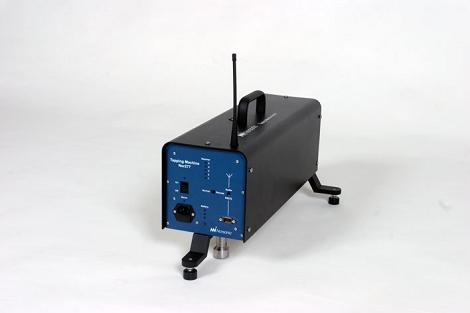
For vertically separated rooms, an Impact sound test may also be required. Impact testing is undertaken using a “tapping machine”, (as above) which drops a series of weights onto the floor of the upper room. The noise level in the lower (receiver) room is measured for a prescribed number of source and microphone locations. The background levels in the receiver room are measured and the reverberation time in the receiver room is also measured.
All APT’s test engineers carry the latest Norsonic equipment, which are class one rating all of our acoustic testing/sound testing is completed to a strict quality controlled standard. We provide full ISO & UKAS complaint sound testing.
Post Occupancy Sound Testing and Advice We have carried out sound insulation testing and investigative/diagnostic work can help identify problems, especially if the specific properties of concern were not tested as part of a programme of precompletion testing. We also carry out sound testing and offer acoustic design advice where clients may have not followed the rules of their buildings lease agreements and installed timber floor etc. instead of the usually specified carpet finishes.
If you would like more information in regards to our acoustic design and/or sound insulation testing, please contact us at: info@aptsoundtesting.co.uk or visit our website at: www.aptsoundtesting.co.uk. Alternatively you can call our team on 07775623464.
Sound Insulation Testing in London London is a massive city containing over 9 million people density and high rise apartments. With many living in this overcrowded environment it is essential that noise transference between adjoining properties in kept to a minimum for the occupant’s wellbeing. One way of ascertaining that a building is in compliance with Building Regulations Part E for the prevention of noise transference, is to undertake Sound Insulation Testing in London.
We have undertaken thousands of sound insulation tests throughout London and the South East on all types of projects from simple flat conversions to large developments containing hundreds of flats. We also undertake Sound Insulation Testing where a lease holder dispute has arisen, i.e. where the buildings lease stipulates that wooden floors should not be used instead of carpets and as a result of the change of floor finish the noise levels have increased – especially the impact noise. We can also undertake sample sound testing to highlight the existing noise levels so a targeted acoustic design can be undertaken.
Plate A – Tapping Machine for Impact Sound Testing
Currently we are also experiencing a rise in the amount of sound testing required to existing blocks of flats, such as existing council stock. This is hardly surprising as the amounts of noise complaints have more than doubled within the last 10 years due to residents experiencing excess noise between the dividing wall and floor partitions. By utilising our extensive knowledge of different materials and construction we can forward a simple, explanative cost effective solution for wall and/or floor upgrade. Where our clients have followed our advice they have achieved a 100% success sound test pass rate, ensuring compliance with Part E of Building Regulations.
The Sound Testing procedure is fairly simple and our engineer will be happy to explain this on site. Essentially, for party walls there is one type of sound insulation test which is airborne sound test and for compartment floors there are two types of sound insulation tests which are airborne and impact sound insulation tests. The airborne sound insulation test is carried out by means of a loudspeaker emitting a steady source of noise on one side of the partition (wall or floor) to be measured. The corresponding sound level is measured on the other side of the partition. Impact sound insulation tests are carried out by means of a tapping machine placed on the floor sample to be measured and the noise measured in the room or space below
All our engineers carry out the sound test measurements in full accordance with the measurement procedures of BS EN ISO 140-4:1998[3] for field measurements with a single figure DnTw and LnTw in accordance with BS EN ISO 717.
Ongoing problems with airborne and structure borne sound are often associated with direct noise flanking transmission through floors and supporting walls and other associated structures. One common cause of noise flanking is often associated with the inclusion of lightweight blocks within the construction of the building envelope and/or blocked cavities. It all cases it is essential to establish if your problem is due to direct transmission, flanking transmission or a combination of both so that the most cost effective remedial treatment can be chosen.
Unwanted noise travelling along flanking paths will make the building structure vibrate which causes the sound to radiate into your room. One simple cost effective solution is to build another wall or ceiling in front of the original, but not connected to it (often called an independent wall or ceiling) so it provides isolation between materials.
One way to reduce the chance of flanking transmission is through careful consideration to the design at the start of the project. Unfortunately, by simply specifying high performance wall and floor partitions it is no guarantee to adequate sound isolation and successful sound testing.
APT Sound Insulation Testing We offer both preconstruction and post-construction design solutions if a project has failed the sound testing. We also offer onsite inspection services to ensure that the sound insulation elements are being installed as per manufactures guild-lines.
Infrared Thermography on Building Envelopes Infrared thermography is diagnostic surveys you can undertake on building envelopes.
APT Sound Testing has been using thermography successfully to examine electrical systems and building envelopes for more than 15 years. What makes it such a versatile diagnostics solution is that it allows for non-destructive testing with a high rate of accuracy. It only takes a matter of hours to perform a thermography building inspection and identify all existing and potential problems with its envelope system and supply a detailed report to the customer.
The aim of the thermal analysis is to help quantify building sustainability and save ongoing building energy costs that are increasing year on year. The thermal imaging survey can help to identify damaged insulation, air leakage paths and HVAC & electrical failures which can lead to heat loss and/or building downtime.
Here at APT we try to be at the forefront of advanced predictive maintenance technologies. That means we have everything it takes to perform thermal imaging inspection latest high-resolution thermal imaging equipment. Its key applications include:
clear visualisation and reportage of energy losses
examination of thermal bridges in insulation;
analysis of HVAC systems
checking doors and windows for infiltration/exfiltration issues
detection of floor leaks and moisture build-ups
detection of flat roof leaks
identification of mould growth
assessment of the overall building condition
How you can benefit from thermography building inspections?
When used as part of preventative diagnostics, thermal building inspections can be used to detect energy losses in both commercial and industrial buildings as well as existing historical and cultural heritage sites.
You can also use thermographic inspections as part of your refurbishment and redevelopment projects because it allows you to analyse the performance of the existing structure that’s about to be renovated. You can then evaluate the performance of the building insulation etc. and the information can be used in the redesign of the building envelope.
If you’re a building contractors and/or consultant our services will be useful to you. Thermographic inspections for building diagnostics are now part of BREEAM certification requirements. Under the latest edition of the BREEAM Technical Manual (SD5076) it is possible to be awarded a BREEAM credit by conducting a thermographic survey of the building fabric. The BREEAM thermography survey is required to be completed in accordance with MAN 04 Commissioning and handover compliance notes CN3.3 and CN3.4.
Basically the BREEAM thermographic survey is required to confirm:
Continuity of insulation in accordance with the construction drawings
Avoidance of excessive thermal bridging
Avoidance of air leakage paths through the fabric (except through intentional openings)
Any defects identified via the post construction inspection are required to be rectified.
The BREEAM thermal survey needs be undertaken by a UKTA Approved Level 2 thermographic surveyor, all our engineers are trained to Level 2 & 3 so our reports will be acceptable to BREEAM.
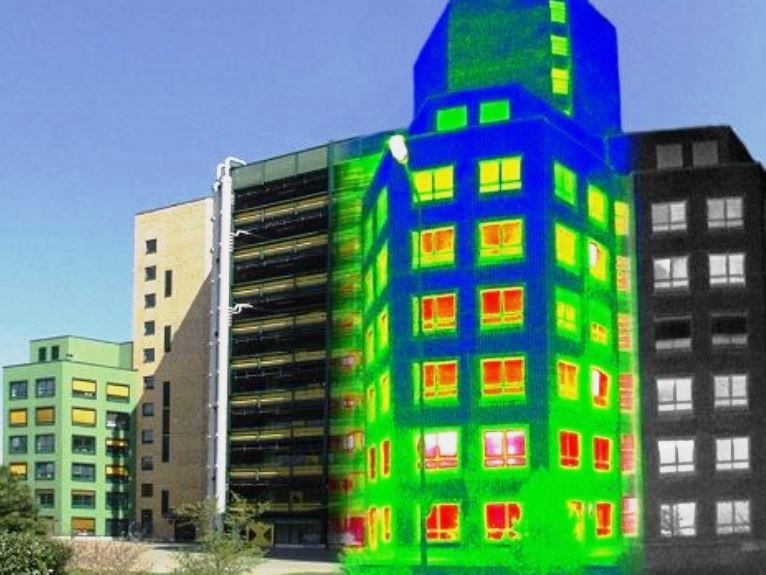
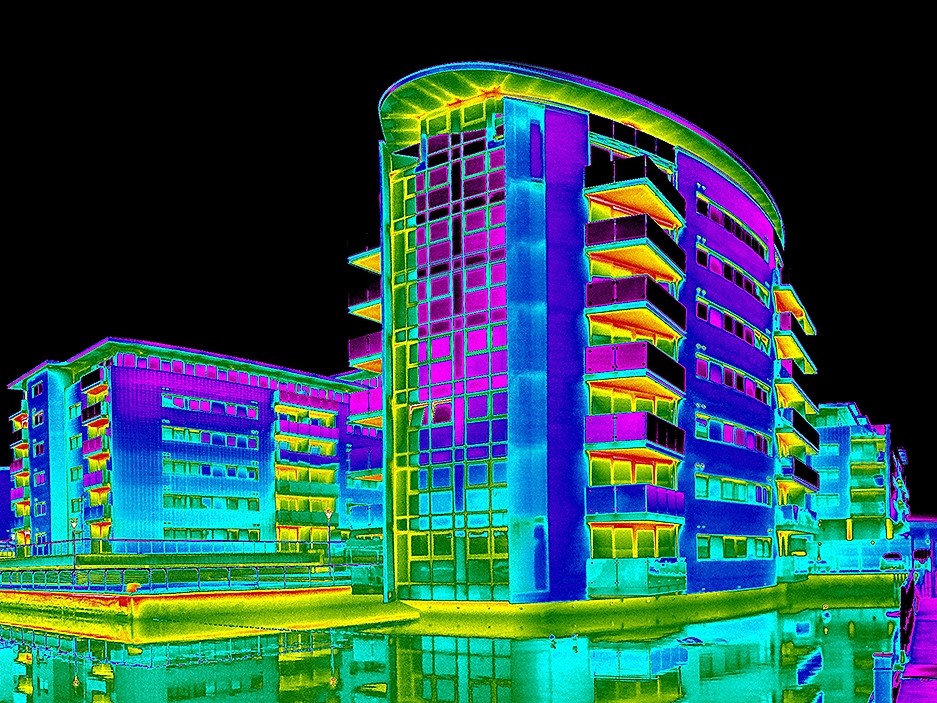
Thermography measures surface temperatures of buildings by using infrared cameras. These instruments see light that is in the heat spectrum. Images on the video record the temperature variations of the building’s envelope, ranging from white – for warm regions, to black for cooler areas. The resulting thermal images help the thermography engineer to determine whether insulation is required within existing buildings and/or there is missing insulation in new build projects and it has been installed correctly.
Thermographic Building Inspection
A thermographic building inspection can be carried out to both the exterior and interior of buildings. The energy assessor usually decides which method would give the best results under the prevailing weather conditions. For instance for BREEAM, external thermal imaging inspections are more common. However, if it is windy on the day of the test it may be harder to detect temperature differences on the outside surface of the building; because of this difficulty, interior surveys can be more accurate because they benefit from reduced air movement.
Thermographic scans can also be used with blower doors used for air tightness testing. The blower door helps exaggerate air leaking through defects within the building envelope i.e. the floors, walls and roof. Air leakage paths will appear as black streaks in the infrared camera’s viewfinder. Here is some more information on using the powerful combination of air tightness testing and thermal imaging for BREEAM building inspections.
Thermal imaging uses specially designed still thermal imaging cameras to make images called thermograms that show surface heat variations, every single pixel on our high resolution cameras can pick up heat variation. Thermal imaging has a number of applications, it can be used to detect abnormally hot electrical connections or components on electrical installations and on mechanical systems it can detect the heat created by excessive friction. Energy assessors use thermal imaging as a tool to help detect heat losses and air leakage in building envelopes so it is extremely useful for the construction industry.
Infrared scanning of the building envelope, allows energy assessors to check the effectiveness of insulation in a building’s construction. The resulting thermograms help auditors determine whether a building needs insulation and where in the building it should go. Because wet insulation conducts heat faster than dry insulation, thermographic scans of roofs can often detect roof leaks quickly and accurately.
The Type of Thermal Imaging Camera We Use
We use the latest high resolution Flir cameras on all our thermal imaging surveys. Our cameras are incredibly accurate with a resolution of 640 x 440, which also produces a 2-dimensional thermal picture of an area showing heat leakage; obviously this quality doesn’t come cheap with some of our camera costing over £30k. Lower quality thermal cameras, spot radiometers and thermal line scanners do not provide the necessary detail for a thermographic building inspection and are not sensitive enough to detect heat loss and/or meet the standard of BREEAM or Building Regulations Part L.
Preparing Your Building For a Thermographic Inspection
To prepare the building to provide an accurate thermographic survey, the project manager should take the following steps. Firstly, move all furniture away from exterior walls as well as moving any blinds and/or window furnishings. Secondly, ensure there is a temperature difference of at least 10°C between the inside and outside air temperatures. In the UK this can usually be achieved quite easily even in summer as we usually undertake the survey at 4am (before sunrise) to prevent solar loading to the building envelope. The internal heating will usually need to be turned on eight hours before the test will be performed to facility the correct conditions to increase the chance of accurate reportage. To try and help our clients prepare for their thermal building inspection, please visit our thermal imaging checklist.
How we can help you with your Thermographic Building Inspection
We can carry out your thermographic building inspection for BREEAM and/or Part L compliance. We visit site to carry out the thermal survey once your building envelope is complete and heating is on. A thermographic survey involves imaging the buildings external envelope with a view to confirming:
Continuity of insulation is in accordance with the construction detail/drawings.
Avoidance of excessive thermal bridging.
Avoidance of air leakage paths through the build fabric.
Highlighting defects is mechanical and electrical installations.
If anomalies are identified during the thermographic building inspection, then our highly experienced thermography engineers will carry out an initial investigation as to the suspected root cause of the problem, we will highlight the issues within our thermography report and provide as advice to identify the remedial work required to attain compliance.
We hope this information has been helpful. If you require a Thermal imaging survey on your building, our professional and certified Level 2 thermographer’s will carry out your thermographic Inspection in compliance with all necessary standards and current regulations. All we need are a few details such as floor plans and elevation drawings and the building location to provide a quotation. We will also send across our informative checklist to help you prepare for the thermal survey.
Thermographic building inspection refers to the non-destructive testing of parts, materials or systems through the imaging of the thermal patterns at the object’s surface. Infrared thermography is a non-destructive, non-intrusive, noncontact mapping of thermal patterns or “thermograms”, on the surface of objects through the use of some kind of infrared detector.
We usually undertake active thermography, in which an an energy source is required to produce a thermal contrast between the feature of interest and the background, for example: a completed building with internal flaws such as missing insulation.
Thermography is a type of photography which is based on infrared wavelengths (as opposed to visible wavelengths). Conventional photography relies on reflected energy from a light source, whether it’s artificial lighting or the sun, which is visible to our eyes. Thermal imaging relies on radiated energy in the infrared (IR) spectrum which cannot be seen by our eyes. All objects emit radiation energy within the IR spectrum and this IR radiation can and does vary depending on the temperature of that object.
Infrared Thermography Surveys on Building Envelopes are incredibly useful as it provides the most rapid means to identify unintentional air leakage pathways in a building envelope.
The benefits of infrared thermography in this context are:
> Air leakage pathways within a completed construction can be identified and rectified prior to air permeability tests, reducing the risk of repeat testing being required.
> Depending upon the nature of the construction, even a building that meets or exceeds air tightness requirements may still be at risk of deterioration due to air leakage and subsequent condensation.
> Identifying where air leakage is occurring can be critical. Air leakage pathways can often indicate rainwater ingress pathways adding to the potential benefits of an infrared survey.
> Air leakage pathways within a completed construction can be identified and rectified prior to air permeability tests, reducing the risk of repeat testing being required.
The Thermographic Building Inspection Depending upon the nature of the construction, even a building that meets or exceeds air tightness requirements may still be at risk of deterioration due to air leakage and subsequent condensation. Identifying where air leakage is occurring can be critical.
Air leakage pathways can often indicate rainwater ingress pathways adding to the potential benefits of an infrared survey.
Infrared thermography is diagnostic surveys you can undertake on building envelopes.
APT Sound Testing has been using thermography successfully to examine electrical systems and building envelopes for more than 15 years. What makes it such a versatile diagnostics solution is that it allows for non-destructive testing with a high rate of accuracy. It only takes a matter of hours to perform a thermography building inspection and identify all existing and potential problems with its envelope system and supply a detailed report to the customer.
The aim of the thermal analysis is to help quantify building sustainability and save ongoing building energy costs that are increasing year on year. The thermal imaging survey can help to identify damaged insulation, air leakage paths and HVAC & electrical failures which can lead to heat loss and/or building downtime.
Here at APT we try to be at the forefront of advanced predictive maintenance technologies. That means we have everything it takes to perform thermal imaging inspection latest high-resolution thermal imaging equipment. Its key applications include:
clear visualisation and reportage of energy losses
examination of thermal bridges in insulation;
analysis of HVAC systems
checking doors and windows for infiltration/exfiltration issues
detection of floor leaks and moisture build-ups
detection of flat roof leaks
identification of mould growth
assessment of the overall building condition
How you can benefit from thermography building inspections?
When used as part of preventative diagnostics, thermal building inspections can be used to detect energy losses in both commercial and industrial buildings as well as existing historical and cultural heritage sites.
You can also use thermographic inspections as part of your refurbishment and redevelopment projects because it allows you to analyse the performance of the existing structure that’s about to be renovated. You can then evaluate the performance of the building insulation etc. and the information can be used in the redesign of the building envelope.
If you’re a building contractors and/or consultant our services will be useful to you. Thermographic inspections for building diagnostics are now part of BREEAM certification requirements. Under the latest edition of the BREEAM Technical Manual (SD5076) it is possible to be awarded a BREEAM credit by conducting a thermographic survey of the building fabric. The BREEAM thermography survey is required to be completed in accordance with MAN 04 Commissioning and handover compliance notes CN3.3 and CN3.4.
Basically the BREEAM thermographic survey is required to confirm:
Continuity of insulation in accordance with the construction drawings
Avoidance of excessive thermal bridging
Avoidance of air leakage paths through the fabric (except through intentional openings)
Any defects identified via the post construction inspection are required to be rectified.
The BREEAM thermal survey needs be undertaken by a UKTA Approved Level 2 thermographic surveyor, all our engineers are trained to Level 2 & 3 so our reports will be acceptable to BREEAM.
Air leaks through building envelopes lead to higher energy consumption and often places extra strain on the heating and ventilation systems. Air leaks can also lead to condensation which can cause a poor indoor climate for the occupiers of the building.
To detect air leaks through the building envelope using a thermal imaging camera a temperature difference and a pressure difference is needed. With a thermal imaging camera you detect the characteristic patterns that occur when cold air is coming through a leak in the building construction which runs along a surface and cools the surface down.
A thermal imaging inspection should always be undertaken on the side of the construction with negative pressure. Air leaks are often detected with the help of the air tightness pressurisation method often referred to as an air tightness test. When air tightness testing and thermal imaging survey inspections are used together they make a powerful combination for building fault diagnosis.
Set up an air tightness test and thermal imaging inspection
Small cracks and crevices can cause internal draft in the building. This is not only annoying for the occupants; it can also cause severe energy loss and higher ongoing costs. Building Air leakage can account for up to half of the energy consumed for heating purposes. By undertaking an air tightness test you can easily make the smallest cracks visible.
Using a Blower Door to help pressurise the building helps exaggerate air leaking through defects within the building shell which can easily be picked up during the thermal imaging inspection.
Our Blower Door systems include the following three components:
A calibrated Retrotec door fan
A compatible expandable a door panel system
A Retrotec pressure gauge to measure fan flow and building pressure.
Our Blower Door fan is temporarily sealed into an exterior doorway using the corresponding door panel system. The fan is used to blow air into or out of the building, which creates a small pressure difference between inside and outside the building under test. Using our air tightness fan system we can either suck air out of the building or blow air into it, causing a pressure difference. In situations where the outside air is colder – which is often the case in the UK – the most common method is to suck air out of the building using the depressurisation method.
During the air tightness test we aim to attain a pressure difference of 50 Pascal between the inside of the building and outside air pressure. Due to this pressure difference the outside air will rush into the building through the cracks that are present in the building envelope (floor, walls and/or ceiling). The outside air will quickly cool down the location where an air leakage crack is present. This temperature difference will clearly show up in the thermal image as a cold spot or cold area, allowing our Thermal Imaging Engineer to accurately locate and map the air infiltration pathway within an easy to follow report.
We have extensive experience in conducting commercial building air tightness and thermal imaging surveys across the following types of buildings/businesses:
Warehouses
Factories
Office Blocks
Blocks of Flats
Universities
Schools
Hospitals
Railway Stations
If you require a BREEAM Thermal survey our professional and certified Level 2 Thermographer’s will carry out your thermographic Inspections for BREEAM compliance in accordance with all necessary standards and current regulations, all we need are a few details such as floor plans and elevation drawings and the building location to provide a quotation. We will also send across our informative Thermal Survey Checklist to help you prepare for the thermographic Inspection.
Contact APT Sound Testing for a free quotation for a thermographic inspection. All we need are a few details such an elevation drawings, floor plans and location to provide a quotation.